

News
GTCO and UBA slip as Zenith edges higher on NGX
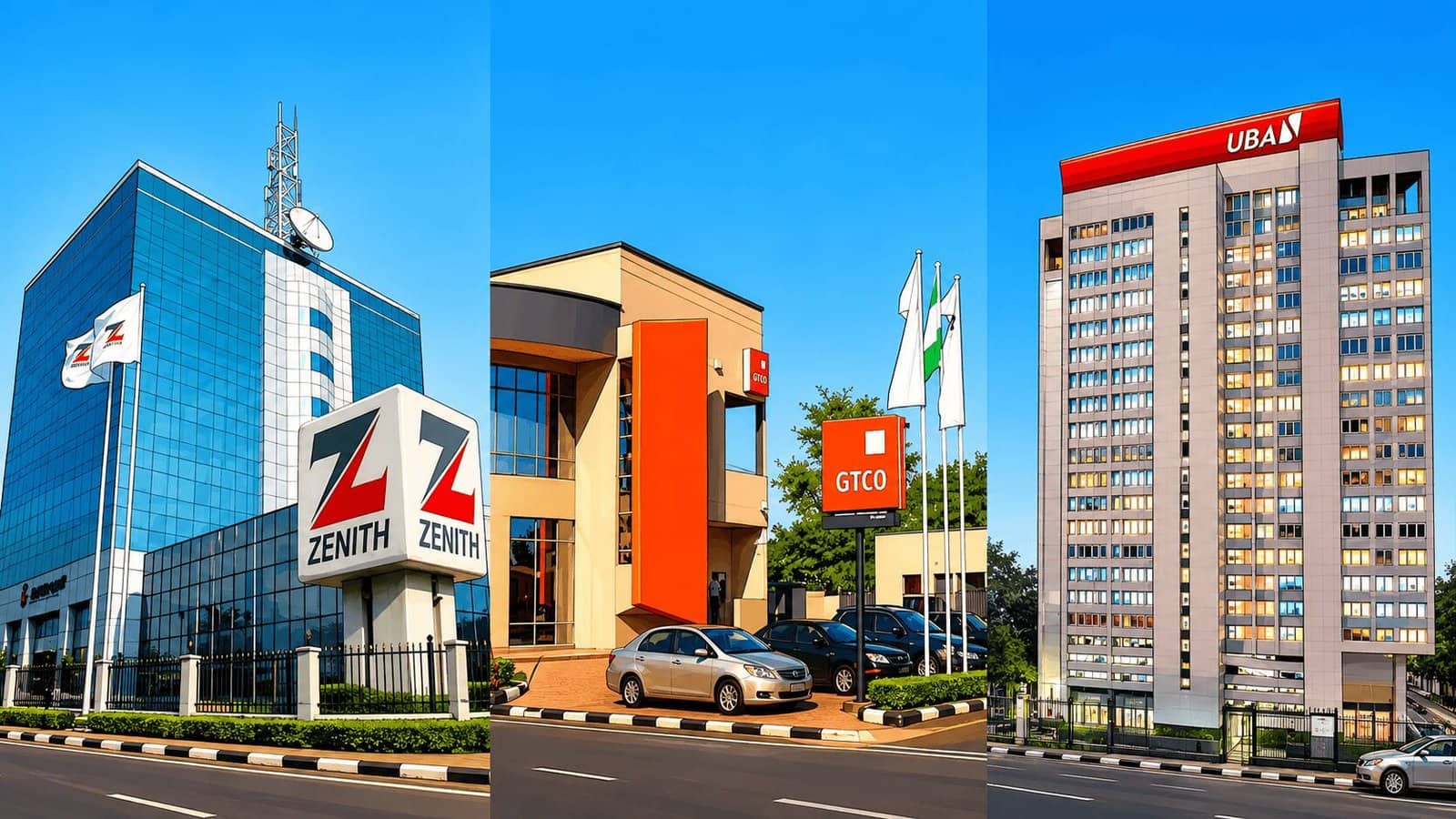
Zenith Bank gained ground on the Nigerian Exchange as GTCO and UBA finished in the red, highlighting a split in sentiment across Nigeria’s biggest banking stocks.
Hillary Remy is a finance and technology writer covering the intersection of Personal Finance, Crypto, Web3, and iGaming. His work examines how digital assets, emerging online markets, and new financial technologies are reshaping wealth creation and modern consumer behavior.
Zenith Bank gained ground on the Nigerian Exchange as GTCO and UBA finished in the red, highlighting a split in sentiment across Nigeria’s biggest banking stocks.

NCR Nigeria’s 74th annual general meeting put a shrinking ₦80.3 million manager compensation figure in front of shareholders, while a string of governance changes flew under the radar.

Wema Bank barely moved on August 5 while large-cap stocks stumbled across the NGX, and its half-year earnings may hold the answer.

Oando swung from an operating loss to a ₦128 billion operating profit, but a familiar threat still looms beneath the surface.

Seplat is trimming its stake in the NNPC-SEPNU joint venture, freeing cash for a special dividend and quicker debt paydown across 2026.

The CBN’s 2025 annual report shows autonomous inflows now account for nearly two-thirds of Nigeria’s foreign exchange supply, signaling a structural shift away from central bank-driven liquidity.

Malpass argues one currency reform could unlock a transformation rivaling China’s 1993 boom, but the naira stands in the way.

FCMB Group posted its strongest half-year profit in years, but a steep climb in loan-loss provisions tells a more complicated story.
The CBN’s latest monetary data shows a sharp monthly drop in physical cash, but the real story may be what’s pulling money back into the banking system.
Calvados Global Services, the Otedola-linked investment vehicle, purchased over 706 million First HoldCo shares at a premium, lifting the chairman’s stake past 21%.

Nigeria’s reserves now cover 11 months of imports after the Central Bank confirmed a $52.52 billion stockpile, blowing past its own full-year forecast with five months still left in 2026.

Skyway Aviation shares slid to ₦154.10 on the same session they touched a record high, raising questions about whether the stock’s rally has run out of altitude.

First HoldCo delivered its strongest half-year on record, but a closer look at the numbers raises questions about what is driving the gains.
First HoldCo posted three consecutive near-limit-up sessions while blue chips across the Nigerian Exchange cratered by 10%, and one billionaire’s bet crossed $641 million in the process.

The CBN has rolled out a digital surveillance system that tracks every dollar BDC operators purchase, and any unsold foreign exchange must go back to the market within a day.

Nestle Nigeria lost 10% of its share value on just one unit traded, raising fresh questions about blue-chip liquidity on the exchange.

Aradel Holdings closed nearly 10% lower on the NGX after just four shares changed hands, raising fresh questions about price discovery in Nigeria’s seventh-largest listed company.

The familiar WAPCO ticker has vanished from the Nigerian Exchange, replaced by HBM Nigeria’s new symbol that signals the cement giant’s shifted ownership and strategic direction.

The Stanbic IBTC ETF locked at the NGX’s maximum daily gain on July 10, extending a 2026 run now above 400% in returns per the exchange’s published data.
The CBN unveiled a sweeping digital payments roadmap that could reshape how millions of citizens access financial services by 2028.