
Investing
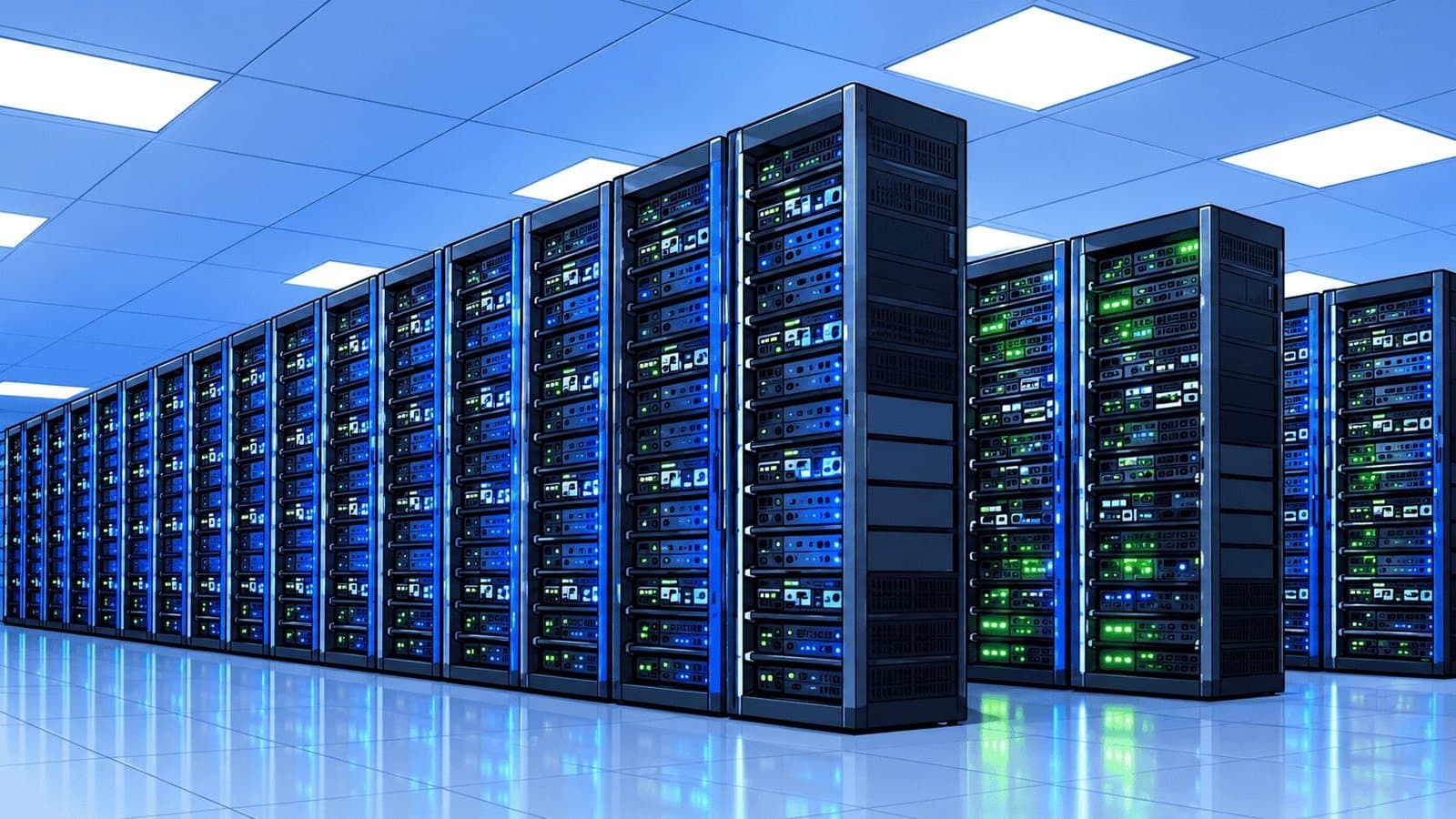
Infragora picks Nigeria to launch its African AI hub play
Infragora puts $1 billion behind two data centers in Lagos and Delta
Read ArticleInfragora puts $1 billion behind two data centers in Lagos and Delta
Read Article
Infragora puts $1 billion behind two data centers in Lagos and Delta
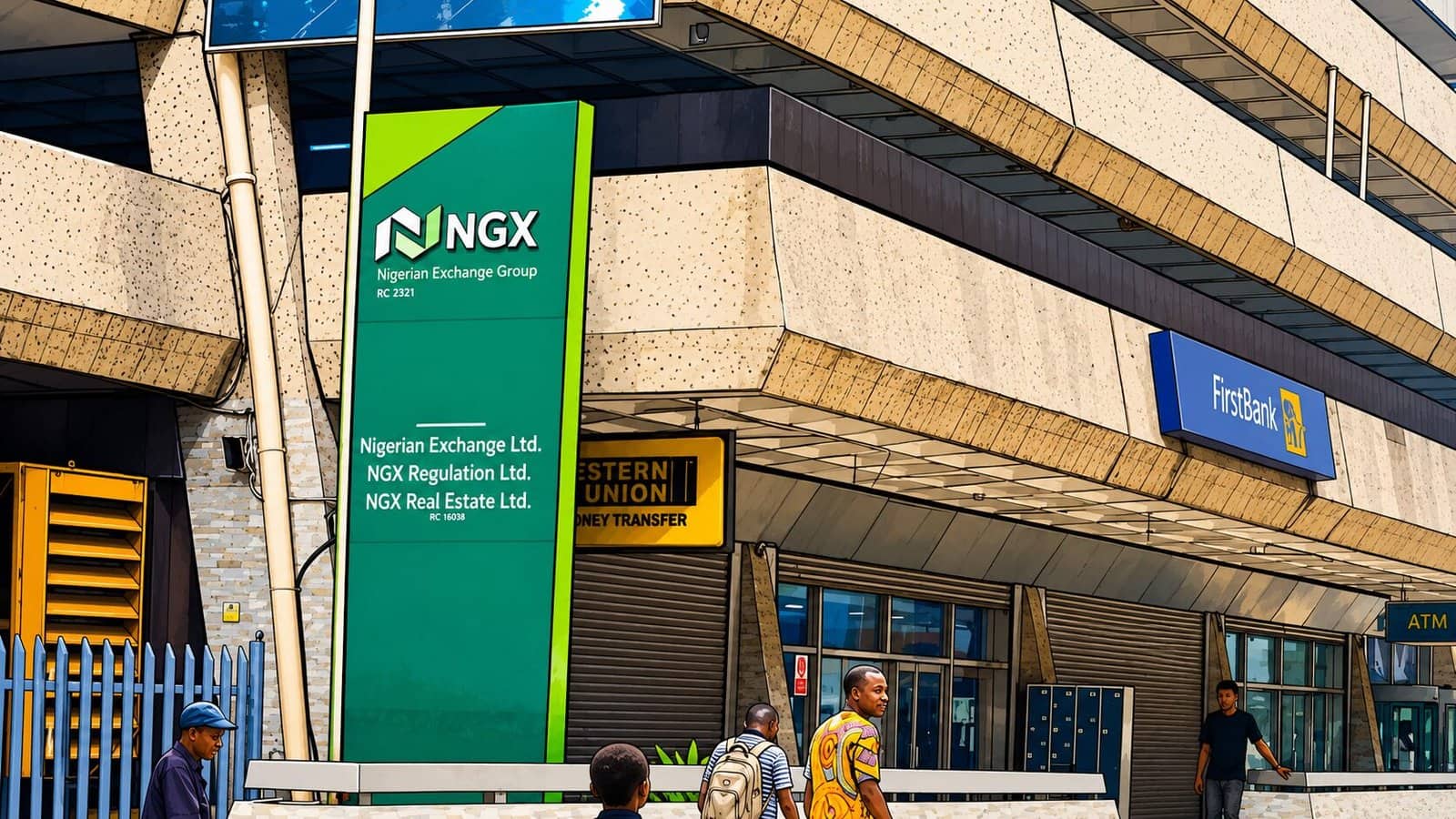
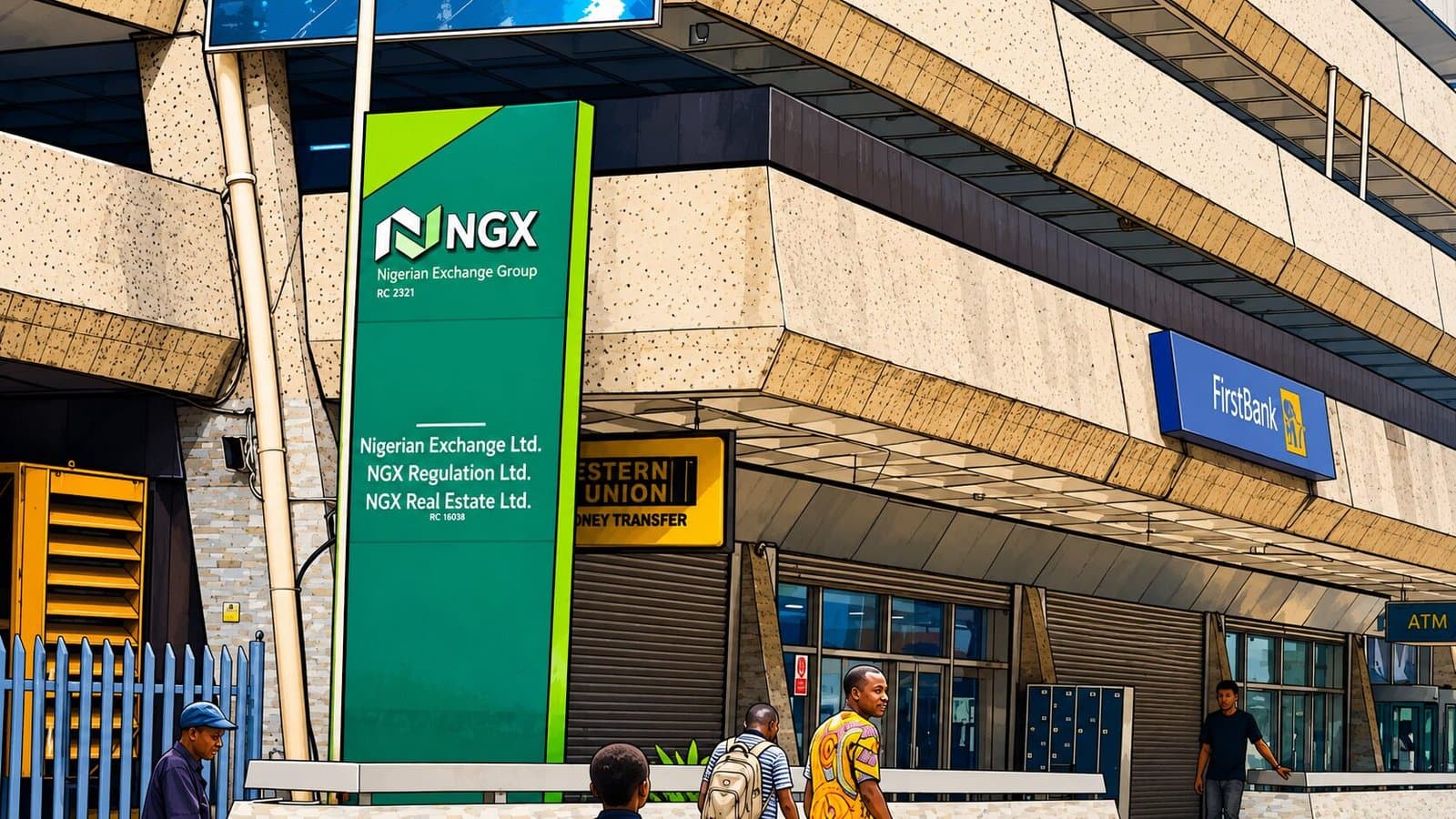
Busier sessions could not save the NGX from a fourth straight weekly slide
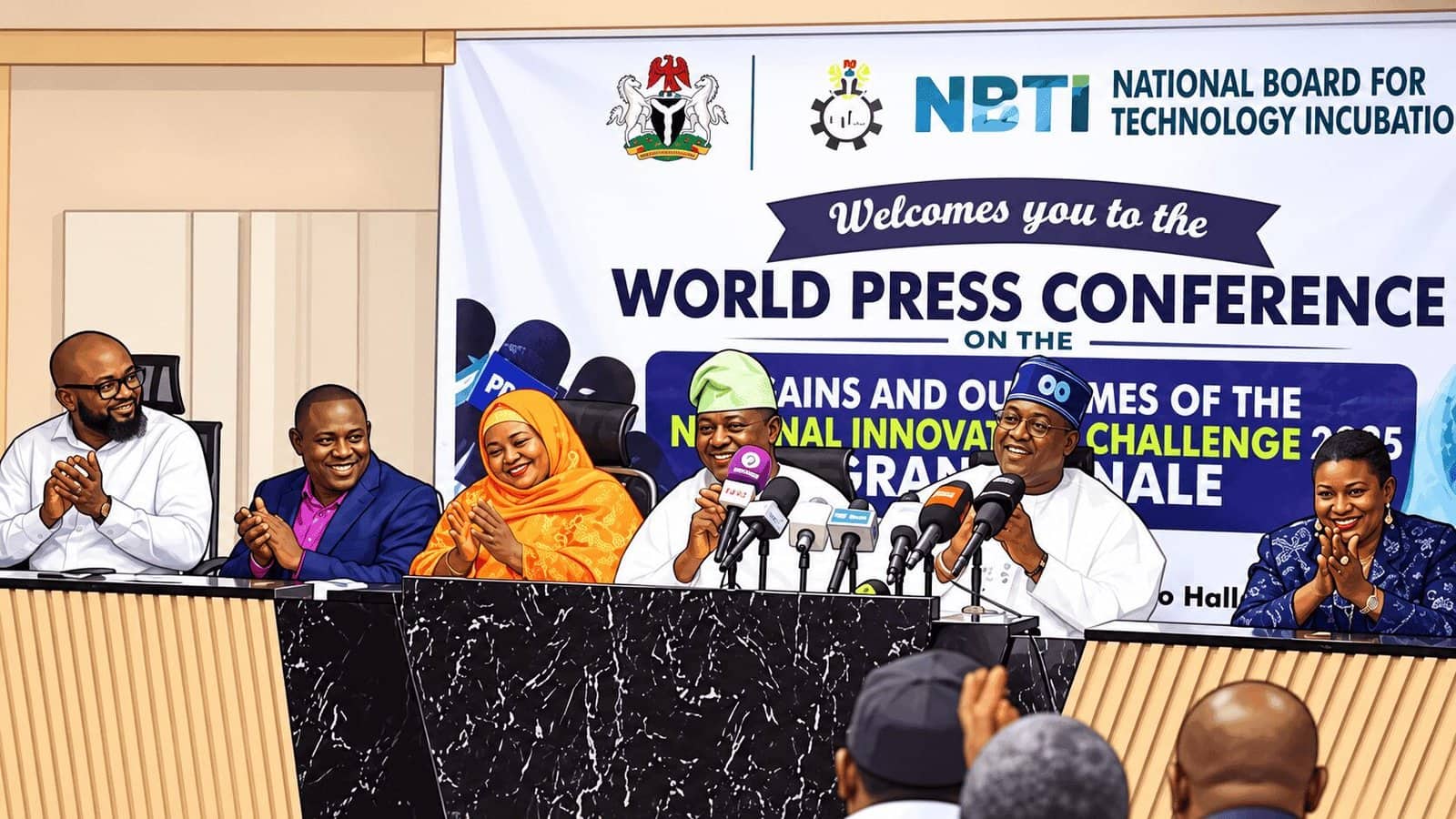
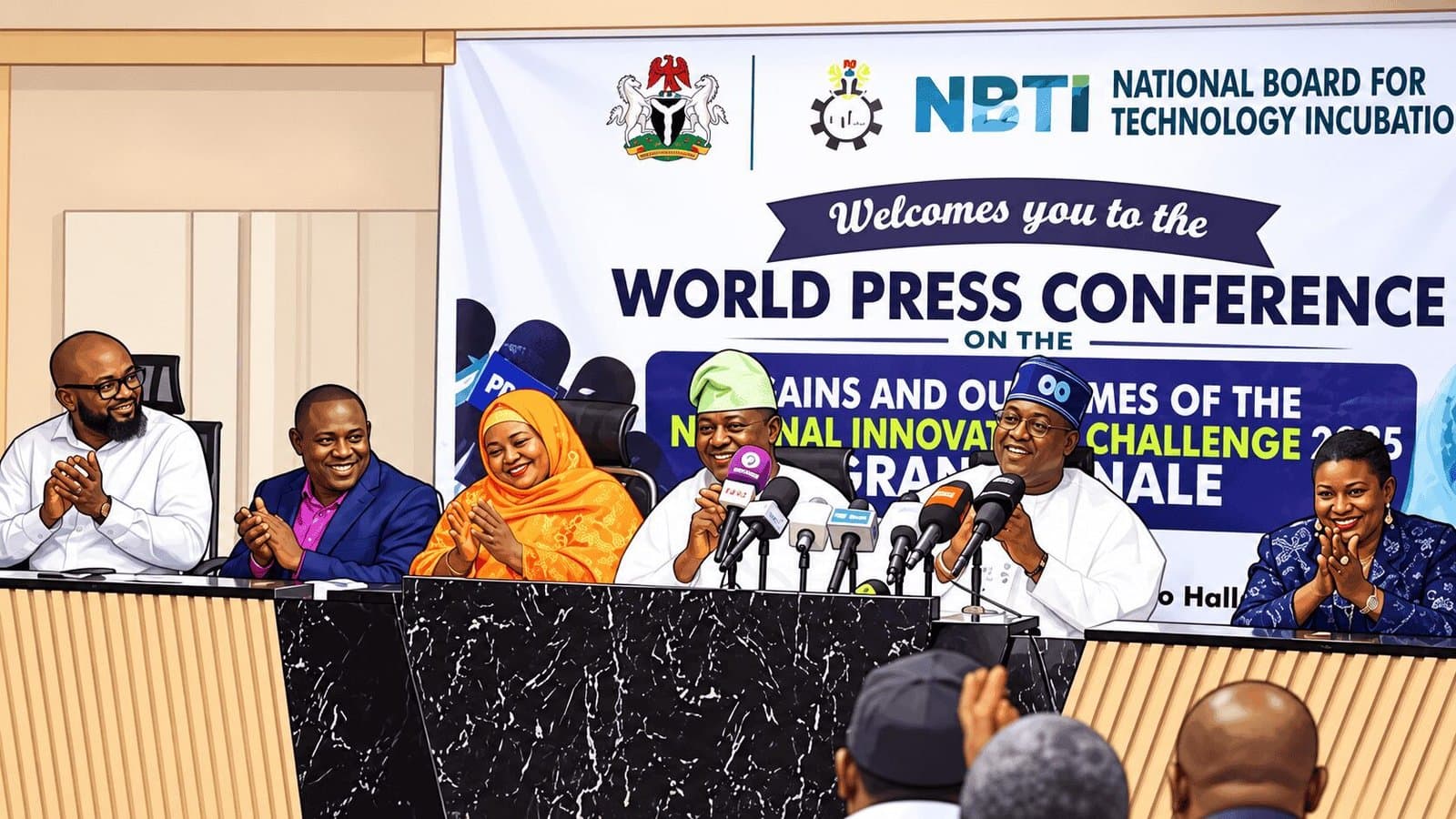
NBTI’s innovation pipeline from London carries heavy fine print

SoFi targets $64B in idle stablecoins with its tokenized deposit.

LemFi drops its remittance-only playbook for something much wider

Aradel sheds ₦100 in a single session as the oil stock hits its lowest close in weeks

SpaceX AI revenue jumped 830% to $7.56B, now its largest segment.
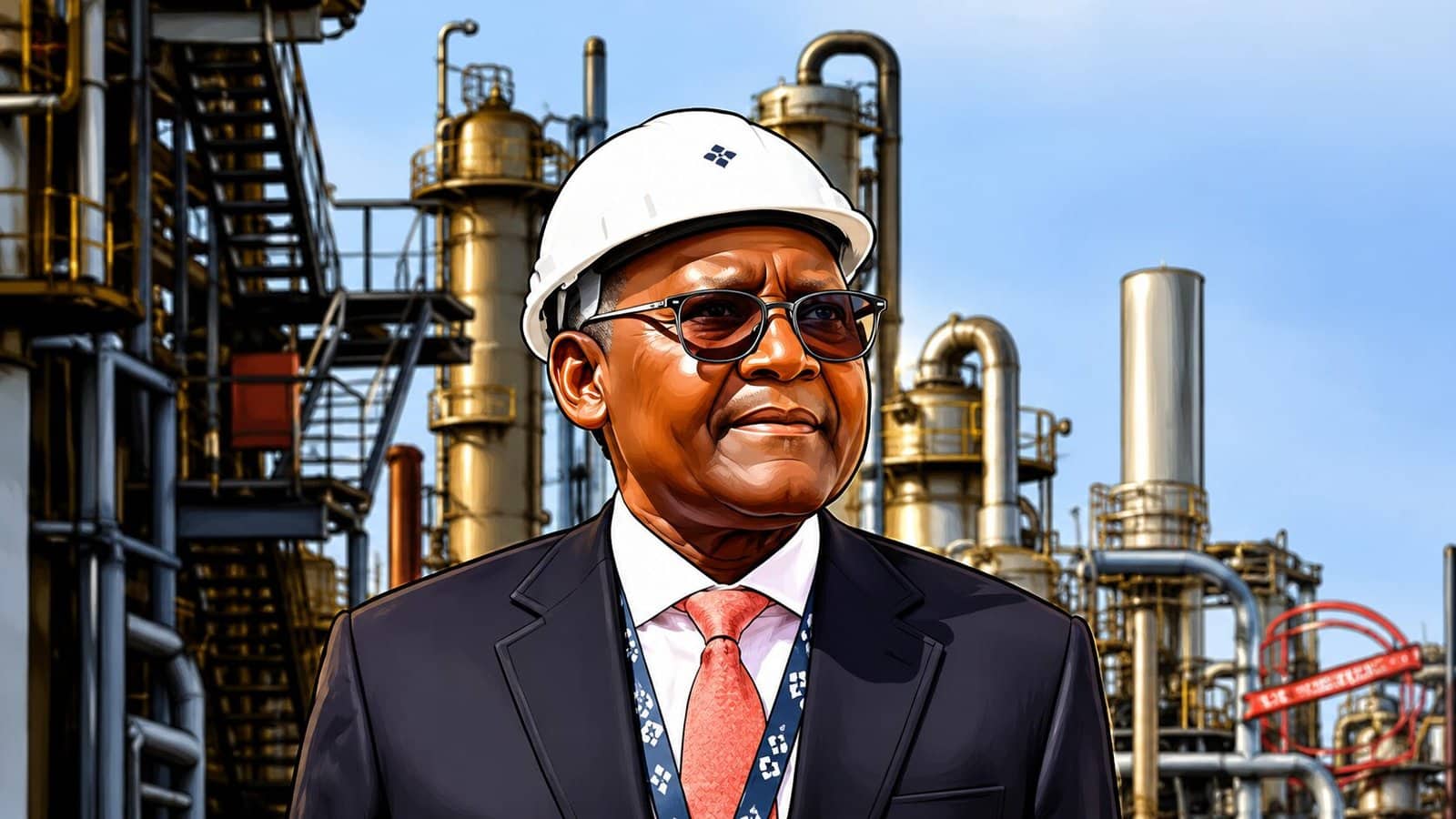
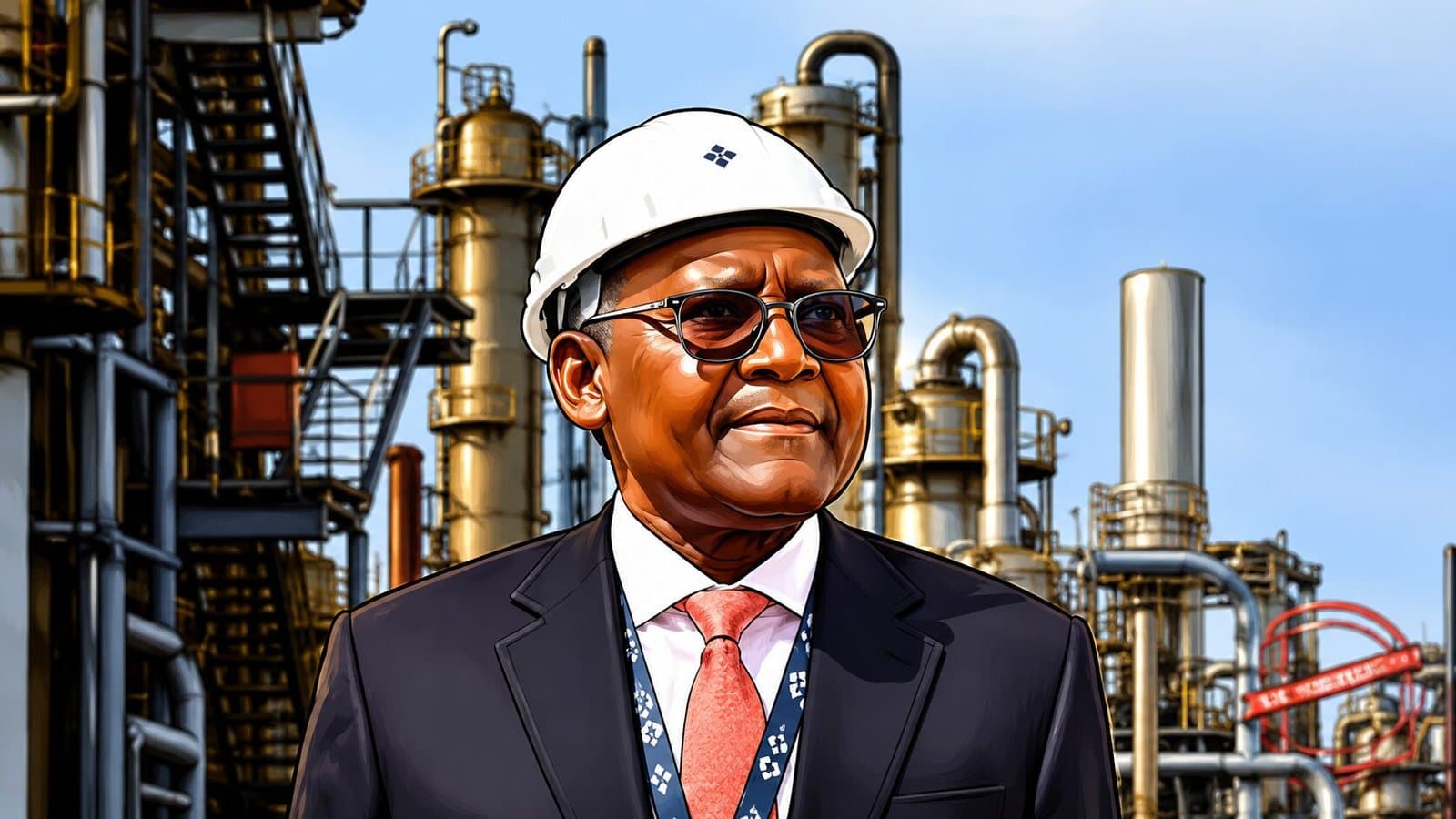
The Dangote roadshow in Addis unveils a fertilizer carve-out for Horn of Africa investors

Mastercard scores stablecoin risk before any funds move on-chain.





Markets, deals, policy
Budgeting, retirement, income
Stocks, funds, portfolios
Mortgages, debt, scores
Filing, deductions, accounts
Cash flow, capital, fintech
AI in finance, fintech, automation
Calculators, templates, guides
Newsletter
One email every Sunday. The week’s most useful guides, market-moving stories, and practical tools — chosen by our editors.