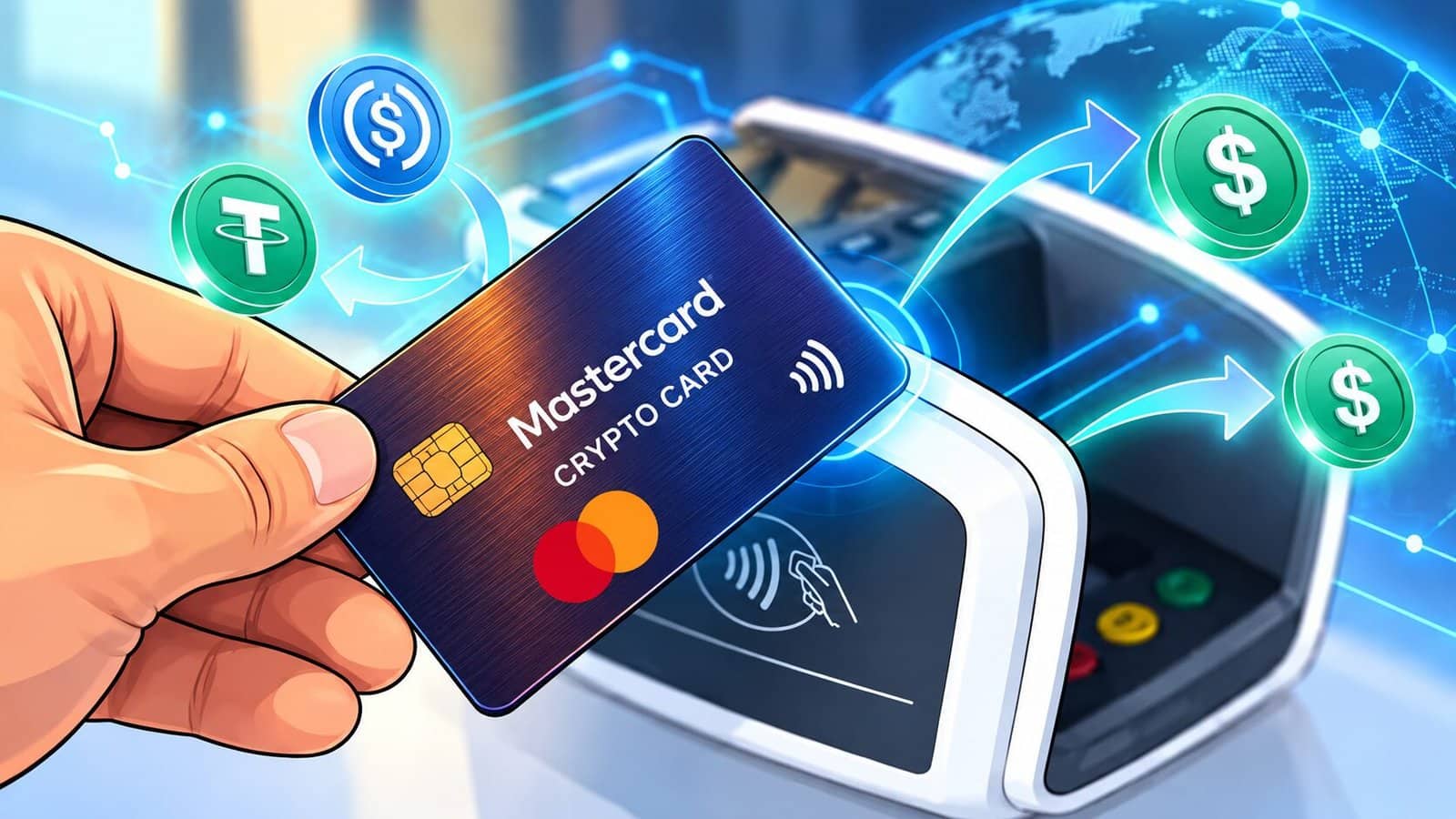

If you run a Bureau De Change operation in Nigeria, every dollar you purchase from the official market is now being watched in real time. The Central Bank of Nigeria has introduced a digital tracking system that follows each forex transaction from the moment you request it until the money reaches your customer.
That alone would be significant for the more than 1,700 licensed BDC operators across the country, according to Nairametrics. But the regulator has gone further by imposing a strict 24-hour deadline for returning any unused dollars to the Nigerian Foreign Exchange Market after the utilization period expires. Operators that fail to comply face sanctions ranging from monetary fines to complete license revocation.
The framework, detailed in a circular dated July 15, 2026, and signed by Aderinola Shonekan, Director of the Trade and Exchange Department, represents the CBN’s most aggressive move yet to eliminate speculation and hoarding in the retail foreign exchange segment.
CBN’s digital tracker puts every BDC dollar purchase under live surveillance
The centerpiece of the new framework is the FX BDC Purchase Tracker, a centralized electronic portal where every licensed BDC must register and report transactions. The system requires operators to submit real-time or same-day data on all foreign exchange purchases made through authorized dealer banks, according to the CBN’s operational guidance.
Banks that receive BDC purchase requests through the portal must acknowledge each submission within two business hours and immediately communicate approval or rejection. Where a request is denied, the bank must provide specific reasons, including incomplete KYC documentation, exceeded weekly limits, or unresolved compliance issues, the circular noted.
The guidance also bans third-party transactions entirely, meaning all foreign exchange purchased under the framework must be credited directly into a BDC’s registered settlement account. Any transfer to an outside account is classified as a regulatory violation and must be reported immediately to the CBN.
How the $150,000 weekly cap and February circular set the stage
The new tracking infrastructure builds on the CBN’s February 10, 2026, circular that restored licensed BDC operators’ access to the official foreign exchange market after years of exclusion. Under that earlier policy, each eligible operator was permitted to purchase up to $150,000 weekly from authorized dealer banks for eligible invisible transactions.
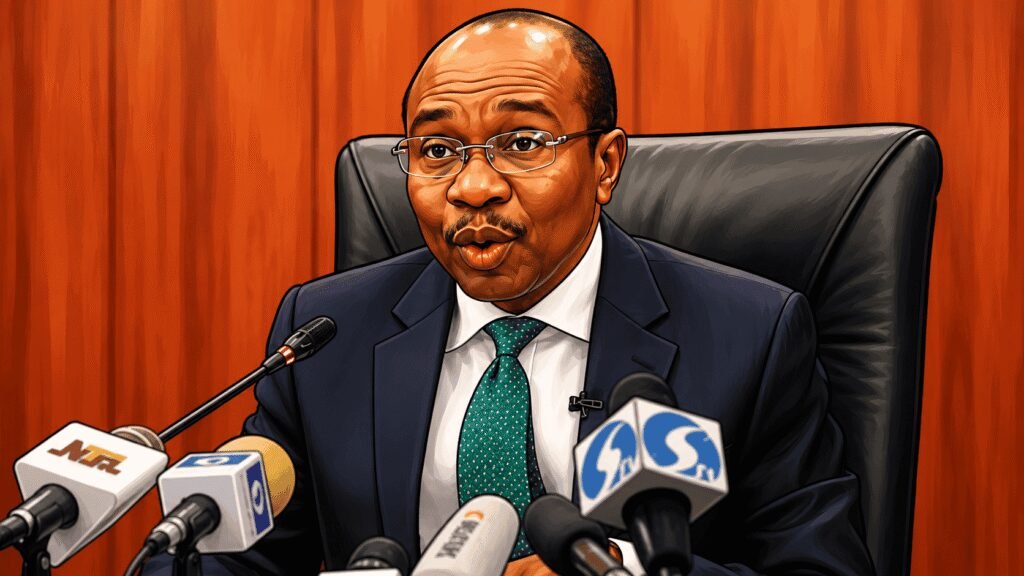
Those approved transactions cover personal travel allowance, business travel allowance, overseas school fees, and medical payments, with BDCs required to sell to end-users at spreads no wider than 1% above their purchase price. The February directive reopened a channel that the CBN had shut down in July 2021 under former governor Godwin Emefiele, who accused BDCs of engaging in wholesale trading that violated their license terms.
While the February circular opened the door, the new guidance installs the security cameras. The FXBT portal gives the CBN end-to-end visibility over purchase requests, approvals, settlements, and how allocated foreign exchange is ultimately used. The regulator can now identify operators attempting to exceed the $150,000 weekly cap across multiple banks.
Cardoso’s broader FX reform push reaches the retail market
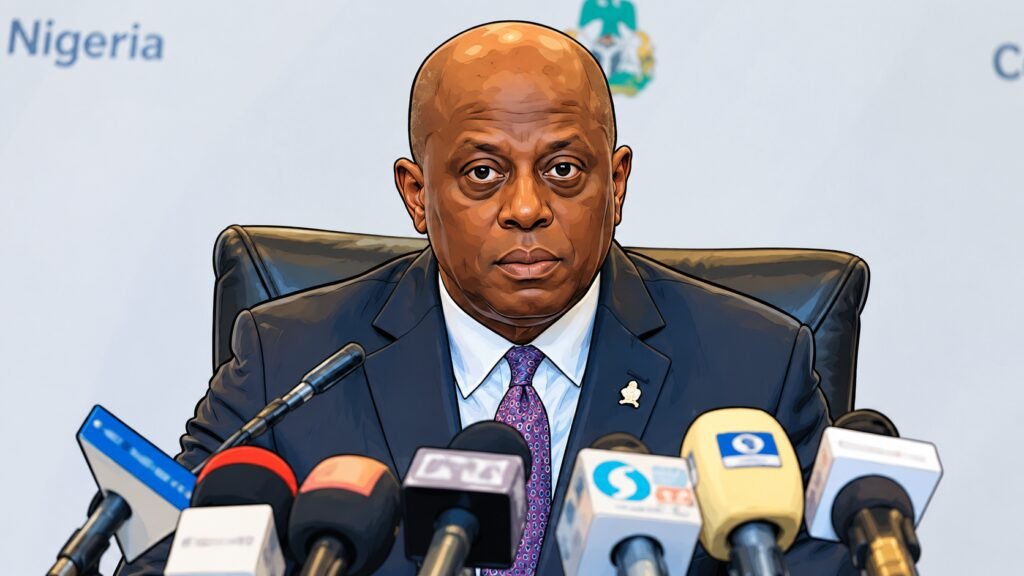
The BDC tracking system fits within Governor Olayemi Cardoso’s broader campaign to digitize and discipline Nigeria’s foreign exchange market. Speaking at the BusinessDay CEO Forum on July 16, 2026, Cardoso said Nigerians no longer need to “scamper everywhere” looking for foreign exchange, whether for personal travel or business transactions, Tribune Online reported. He added that the CBN had successfully eliminated the multiple exchange rates that plagued the economy for years.
That confidence is backed by numbers. Nigeria’s external reserves hit a 17-year high of $51.04 billion on June 18, 2026, according to CBN data reported by Business Post. The gap between official and parallel market exchange rates has compressed to roughly 2.1%, and the naira has traded within a relatively stable band near N1,383 per dollar at the official window, Nairametrics reported. S&P Global Ratings upgraded Nigeria’s credit rating to ‘B’ from ‘B-‘ in 2026, citing improved FX market liquidity and $10 billion in monthly turnover recorded in April 2026, The Whistler reported.
Sanctions for BDC violations include license revocation and criminal referrals
The circular makes clear that the CBN is prepared to enforce the new rules aggressively. Violations of the guidance or the February circular will trigger sanctions under both the Banks and Other Financial Institutions Act 2020 and the Foreign Exchange Act, the regulator warned.
Key penalties outlined in the CBN circular
- Monetary fines for operational breaches
- Suspension of access to the Nigerian Foreign Exchange Market
- Withdrawal or suspension of BDC operating licenses
- Revocation of authorized dealer status for complicit banks
- Referral to law enforcement agencies where criminal conduct is suspected
The CBN’s Trade and Exchange Department will lead compliance monitoring through both on-site and off-site examinations, which can be conducted without prior notice. Only BDCs with valid and current licenses are eligible to participate, and operators under existing regulatory sanctions remain locked out until restrictions are formally lifted.
The 24-hour rule targets dollar hoarding and speculative demand
The requirement to sell back unused foreign exchange within 24 hours is designed to dismantle one of the oldest games in Nigeria’s retail FX market. For years, some operators purchased official-rate dollars and held them in anticipation of exchange rate movements rather than selling to genuine end-users. The new rule removes the financial incentive to warehouse currency.
Dr. Muda Yusuf, Chief Executive Officer of the Centre for the Promotion of Private Enterprise, offered context on the broader reform environment that underpins the CBN’s tighter oversight of BDC operators.
“The prospects for the stability of the naira are quite bright. This is largely because our foreign reserves are very strong, and reserves play a critical role in determining the strength and stability of any currency,” Yusuf told Nairametrics in January 2026.

Yusuf noted that sustained FX market reforms have reduced the likelihood of major exchange rate shocks, even during periods of stress in the oil sector.
The guidance also prohibits authorized dealer banks from forcing BDCs into exclusive banking relationships or charging referral fees. That provision is meant to keep the playing field level so smaller operators are not locked into unfavorable arrangements with a single bank.