

Tens of millions of Nigerian adults still operate entirely outside the formal banking system, trading in cash and saving at home. The Central Bank of Nigeria is determined to change that picture and has now unveiled its most ambitious reform framework.
On June 1, the apex bank launched the Payment System Vision 2028, a three-year strategic roadmap aimed at bringing 50 million more Nigerians into the formal financial system. If the plan delivers, Nigeria would reach 95% financial inclusion by 2028 and join Africa’s leading digital finance economies.
The roadmap stretches from QR code deployment in rural markets to cross-border payment integration under the African Continental Free Trade Area. Yet the CBN’s own governor has already singled out the biggest risk that could stand between the vision and actual results.
What the CBN’s Payment System Vision 2028 actually promises
The framework sets concrete benchmarks that go well beyond typical policy aspirations, the CBN outlined in its June 2026 newsletter.
Governor Olayemi Cardoso described the initiative as a roadmap for how Nigerians will transact, save, and participate in a digital economy, Channels TV reported.
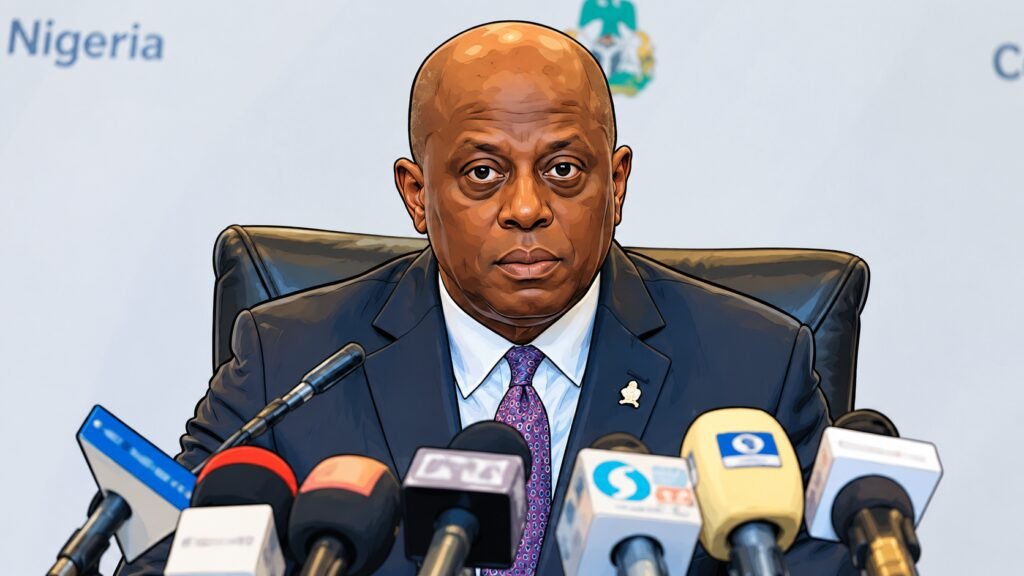
The CBN wants to reduce cash circulating outside the banking system to below 40% of total currency in circulation by 2028. The apex bank also plans to deploy 10 million QR codes and tap-to-phone terminals across markets, motor parks, and farm gates nationwide, Nairametrics reported.
On fraud, the target is equally striking: the CBN aims to bring payment fraud losses below 0.001% of total transactions, Cardoso stated at the launch, The Nation reported. That goal hinges on tighter integration of the National Identity Number and Bank Verification Number systems across payments infrastructure.
Key PSV 2028 targets at a glance
- Financial inclusion: 95% of adult Nigerians by 2028, up from current levels, the CBN confirmed in the newsletter.
- New accounts: 50 million additional bank accounts or digital wallets, Cardoso stated at the launch.
- Cash displacement: Cash outside banking to fall below 40% of total currency in circulation, Nairametrics reported.
- Fraud reduction: Losses targeted below 0.001% of total payment transactions, the CBN indicated.
- Terminal deployment: 10 million QR codes and tap-to-phone devices across markets and rural areas, Channels TV reported.
Why Nigeria’s central bank governor declared war on cash dependence
Cardoso’s frustration with the cash economy turned personal during his launch remarks when he recounted scenes from recent Sallah celebrations. Some traders outright refused digital transfers despite Nigeria’s rapid growth in electronic payments over the past decade, Tribune Online reported.
PSV 2028 builds on nearly two decades of payments progress that began with the original PSV 2020 and continued through PSV 2025. Those earlier frameworks drove adoption of instant transfers, point-of-sale terminals, and mobile banking across the country, TheCable reported.
Deputy Governor Dr. Muhammad Sani Abdullahi outlined five strategic priorities anchoring the new framework at the June 1 launch event. Those priorities span modern payment infrastructure, financial inclusion and consumer protection, innovation, cross-border payments, and cybersecurity and risk management, Leadership reported.

The execution challenge that could unravel Nigeria’s payments overhaul
Premier Oiwoh, chief executive of the Nigeria Inter-Bank Settlement System, offered a pointed reality check during the launch event. He stressed that foundational building blocks like the National Identity Number and Bank Verification Number matter far more than flashy technology.
“Technology is just 20% of this vision. 80% is execution and requires collaboration.” — Premier Oiwoh, CEO of NIBSS, via Tribune Online
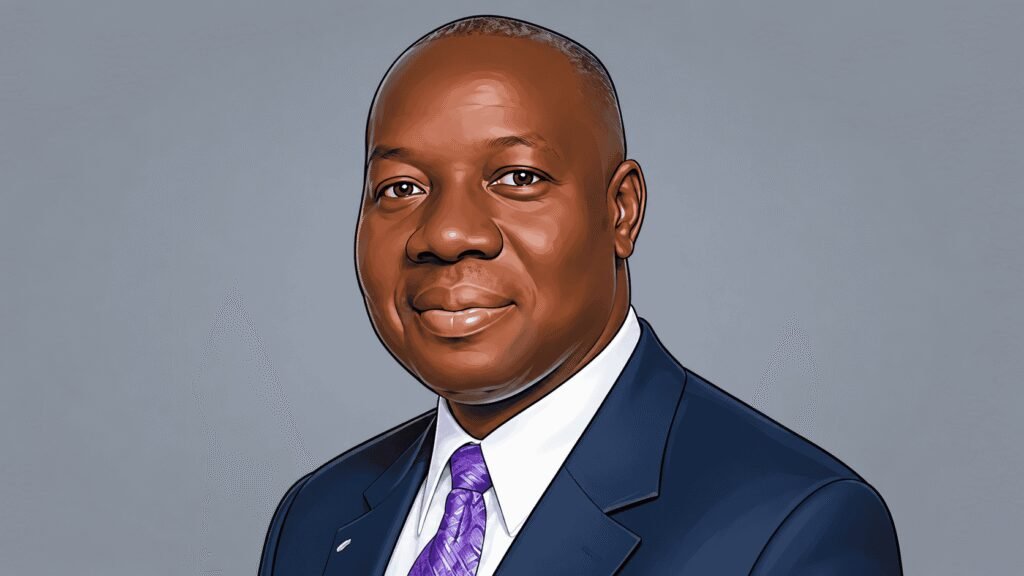
Musa Jimoh, director of the CBN’s Payment System Policy Department, reinforced that concern with a direct warning about consumer confidence. Without trust in the system, adoption would stall regardless of how much money the CBN invests in new infrastructure, Jimoh indicated, Tribune Online reported.
Cardoso himself appeared to acknowledge the pattern that has undermined past Nigerian policy ambitions during his closing remarks to stakeholders. He warned against the country’s longstanding habit of launching impressive policy documents only to revisit the same problems years later, Nairametrics reported.
How PSV 2028 connects to Nigeria’s broader economic reform momentum
The payments framework sits within the CBN’s wider reform agenda, which has already produced notable results in 2026. Nigeria’s external reserves crossed $50 billion in early June for the first time in 17 years, reinforcing investor confidence, TheCable reported.
PSV 2028 also aims to position Nigeria as a hub for cross-border payments by leveraging the Pan-African Payment and Settlement System. The framework aligns with the AfCFTA agreement to enable faster and cheaper regional transactions, Leadership reported.
Dr. Segun Aina of the African Fintech Network, representing over 700 companies, described PSV 2028 as a chance to shape digital finance across the continent, Tribune Online reported.