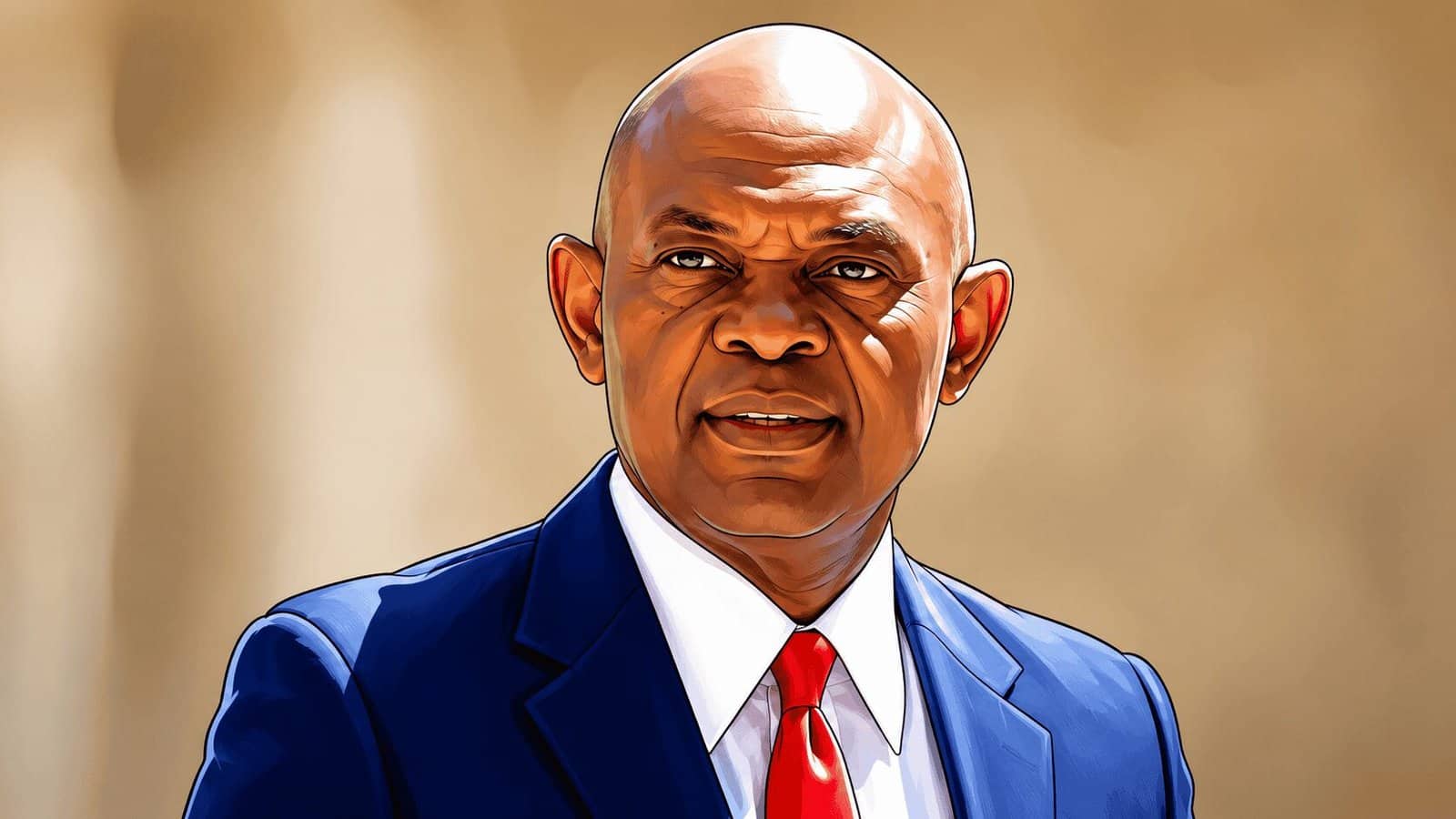
Ecobank Transnational Incorporated has redrawn the rules of engagement inside its own boardroom, and shareholders across three African exchanges just signed off on it.
The pan-African lender used its extraordinary general meeting on August 13, 2026, to push through four amendments to its Articles of Association.
Each change touches on something investors care about, from how many people it takes to form a quorum to how long a director can serve.
One of them runs counter to the direction Nigerian regulators have taken over the past 12 months, and that contrast is worth paying attention to.
What Ecobank changed at the August 2026 EGM
Ecobank’s board maximum will drop from 15 directors to 12, according to the press release issued by Company Secretary Madibinet Cisse in Lomé.
The general meeting quorum threshold also shifted, moving from a 20-shareholder minimum to a rule requiring 25% of the paid-up share capital.
Board meetings now require more than half of serving directors to reach a quorum, replacing the previous floor of three directors.
The most consequential item removes the tenure cap on non-executive directors while keeping the mandatory retirement age of 70 firmly in place, Ecobank confirmed.
The bank frames the entire package as strengthening representativity, agility, collective accountability, and institutional expertise inside its governance structure, the release stated.
The four Ecobank governance amendments approved on August 13
- Board maximum reduced from 15 to 12 directors, according to the ETI press release.
- General meeting quorum raised to shareholders representing 25% of paid-up share capital.
- Board meeting quorum lifted from three directors to more than half of all serving directors.
- Non-executive director tenure cap removed while the mandatory retirement age of 70 remains.
Nigerian regulators are tightening tenure while Ecobank loosens it
Nigerian regulators have moved firmly in the opposite direction on director tenure, tightening rules for public companies and capital market operators during 2025 and 2026.
The SEC of Nigeria capped director service at 10 consecutive years and 12 years across the same corporate group.
Those caps apply to significant public interest capital market operators under the Investments and Securities Act 2025, the SEC clarified in its July 2025 guidance.
Public companies remain subject to the older Nigerian Code of Corporate Governance rules on director tenure, the guidance note added.

Ecobank Transnational Incorporated is domiciled in Togo, so Nigerian rules do not directly apply to the parent, even though its shares trade in Lagos.
That regulatory gap is exactly what makes the tenure decision worth watching for investors holding ETI shares on the NGX, GSE, or BRVM.
The Nigerian Code of Corporate Governance 2018 already limits independent non-executive directors to three terms of three years, Koriat Law explained in its analysis of Nigerian directorship rules.
What the changes mean for Ecobank investors after H1 2026
Ecobank’s first-half 2026 results show why board effectiveness matters for a pan-African lender operating across a turbulent, 34-country sub-Saharan banking footprint.
Profit after tax rose 6% to $296.1 million in the first half of 2026, while impairment charges surged 40% to $238 million, Businessday reported.
Total assets stood at $35.64 billion at the end of June 2026, giving the reshaped board a large balance sheet to steer through cycles.
The governance overhaul comes after Chairman Papa Madiaw Ndiaye had already shown a willingness to make tough calls on behalf of shareholders at the 37th AGM.
“We needed to choose between complying with existing debt covenants or paying dividends. We believe that reducing the debt burden is in the best interest of the company over the longer term,” Ndiaye said, African Business reported.

That same long-term framing now underpins the decision to remove the non-executive tenure cap and shrink the board from 15 seats to 12.
Ownership at ETI has also shifted, with Bosquet Investments acquiring Nedbank’s 21.2% stake in December 2025, giving Alain Nkontchou renewed influence within the group, The Africa Report noted.
Investors reading the H1 numbers alongside the governance vote get a clearer read on where the leaner board will need to focus its collective attention.
How Ecobank shareholders retain control over director elections
Removing the tenure cap does not automatically extend any sitting director’s term at the pan-African lender, according to the ETI press release from Lomé.
Every non-executive director still has to stand for election or re-election by shareholders at the annual meeting, the company confirmed.
That framing tries to address the obvious worry: whether long-serving directors could entrench themselves without giving shareholders a meaningful vote.
Retaining age 70 as the mandatory retirement threshold still functions as a hard ceiling, preventing indefinite tenure even without a term-based cap.
What Ecobank investors should watch next
The four amendments give ETI a leaner board, tighter meeting rules, and more flexibility over how long non-executive directors can serve at the group.
Watch the next annual general meeting closely, since the first re-elections under the new tenure regime will show how shareholders exercise their vote.
Will the smaller 12-seat board make ETI more agile in the face of rising impairments, or will fewer voices weaken independent challenge within the room?
With Nigerian regulators moving toward stricter tenure caps, could ETI’s opposite stance eventually draw scrutiny from local investors comparing governance benchmarks?