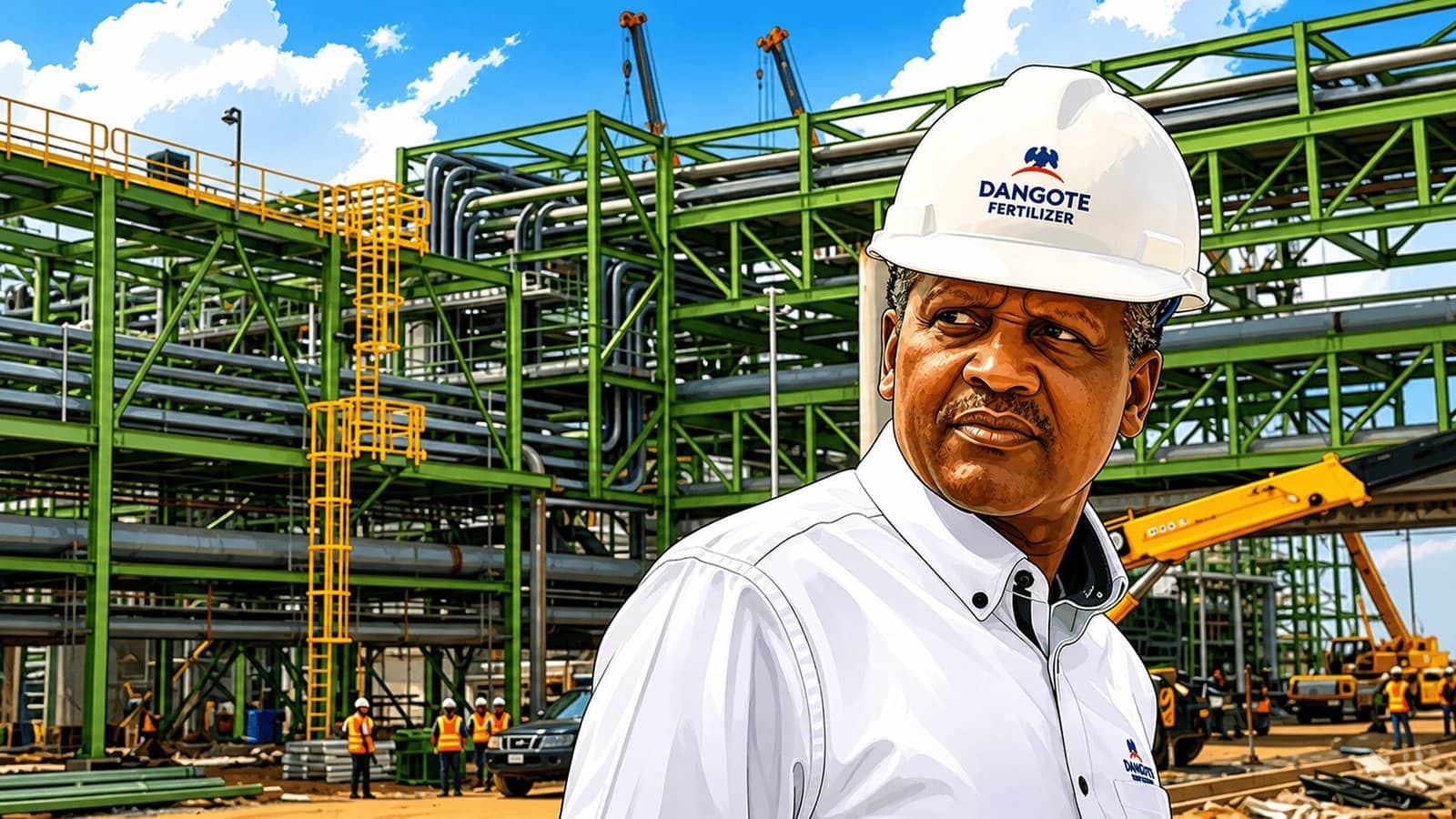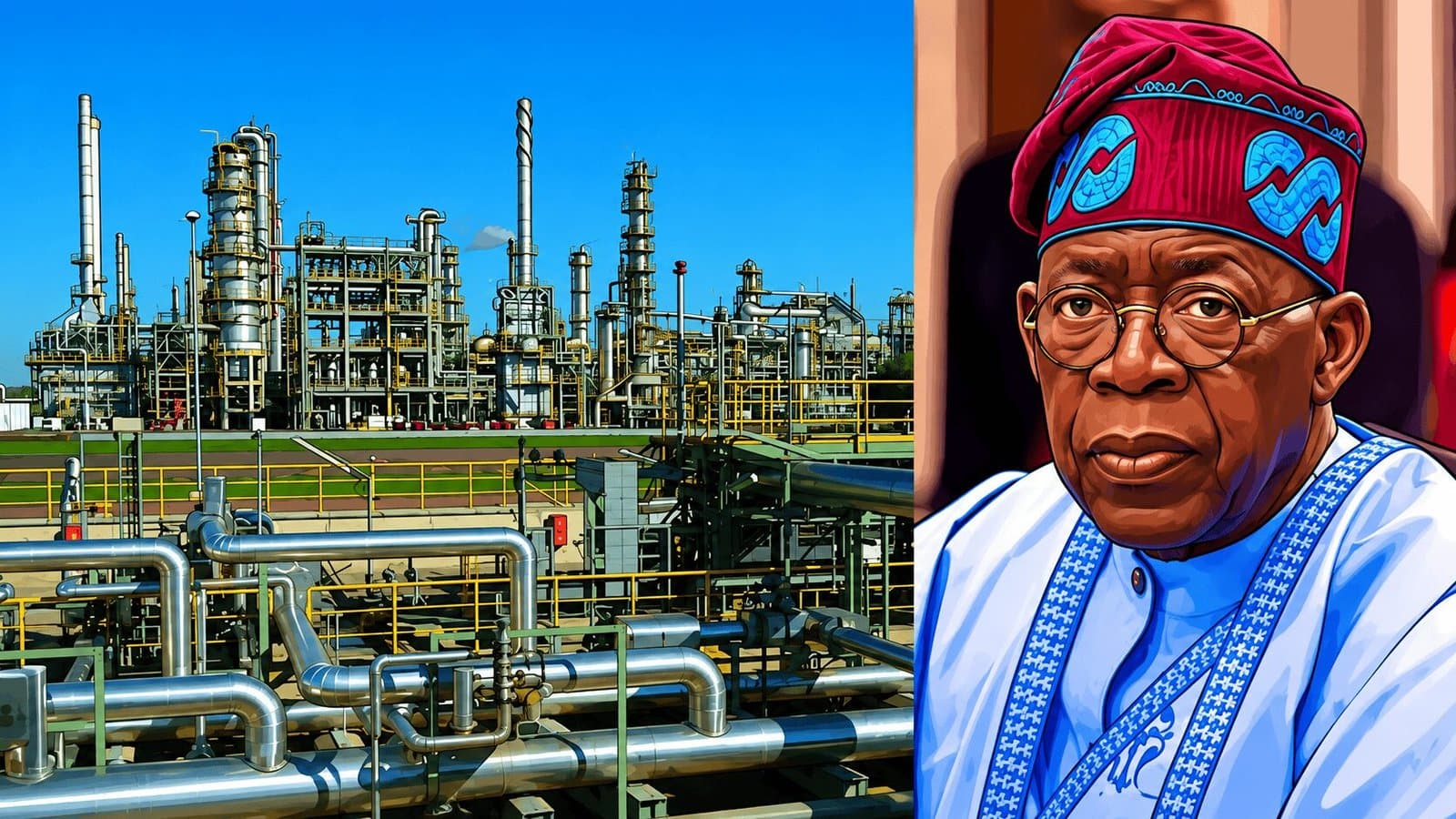

Nigeria has spent more than $7 billion trying to bring three state-owned refineries back to life over the past three decades. Every administration has promised a turnaround, and every turnaround has delivered more spending than it has produced in fuel output to show for it.
President Bola Tinubu is redefining what a working refinery looks like. Speaking to petroleum union leaders at the Presidential Villa on August 13, he argued that visible activity, such as flame and smoke, means nothing unless the refinery behind it can generate consistent profit.
Tinubu tells petroleum workers that refinery flames are not enough
The president’s remarks came during a meeting with the national executive of the Nigerian Union of Petroleum and Natural Gas Workers (NUPENG). Salimon Akanni Oladiti, the union’s national executive president, led the delegation to the State House in Abuja.
“The refineries that you mentioned are going to come back to work; we’re just building a very firm, resetting, and structural reworking of the economy of it,” Tinubu said, the State House confirmed in a statement issued by Bayo Onanuga, Special Adviser to the President on Information and Strategy.
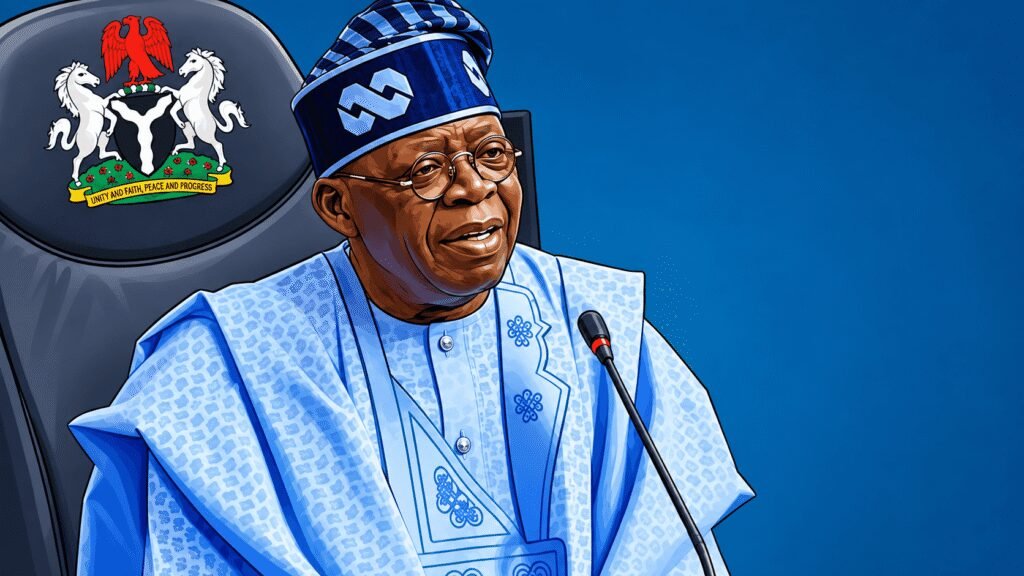
He then drew a sharp distinction from predecessors who focused strictly on timelines and contractor deliverables.
“Ordinary flame and smoke of a refinery doesn’t mean that it’s working until it’s profitable and yields the value for which it is built,” Tinubu added.
Nigeria’s $7.35 billion refinery spending has delivered negligible fuel output
Tinubu’s shift in language arrives against a backdrop of financial waste spanning multiple administrations and several decades.
Nigeria’s three state-owned refineries in Port Harcourt, Warri, and Kaduna have a combined nameplate capacity of 445,000 barrels per day. None has produced refined fuel at commercial scale in over a decade, despite billions allocated to rehabilitation, Nairametrics reported.
Cumulative spending has reached approximately $7.35 billion since the Abacha era in the early 1990s, according to data compiled by Daily Trust. The Buhari administration spent roughly $2.39 billion between 2015 and 2019, and the Tinubu administration has committed about $2.8 billion since 2023.
Professor Adeola Adenikinju, energy economist at the University of Ibadan and immediate past president of the Nigerian Economic Society, has called for transparency.
“What kind of arrangement is this? Who is responsible for financing, and who handles technical operations?” Adenikinju said, The Guardian Nigeria reported.
NNPCL’s Chinese partnership adds a new layer to the refinery revival plan
NNPCL Group Chief Executive Officer Bashir Bayo Ojulari signed a memorandum of understanding with Sanjiang Chemical Company Limited and Xingcheng Industrial Park Operation and Management Co. on April 30, 2026. The non-binding deal targets a Technical Equity Partnership covering the Port Harcourt and Warri refineries, which share a combined capacity of 335,000 barrels per day, Vanguard reported.
Ojulari signaled the approach marks a departure from the contractor-driven model that has repeatedly failed to deliver results.
“What we are doing differently is moving away from just funding projects to bringing in partners who have skin in the game,” he said at the Nigeria International Energy Summit, The Punch reported.
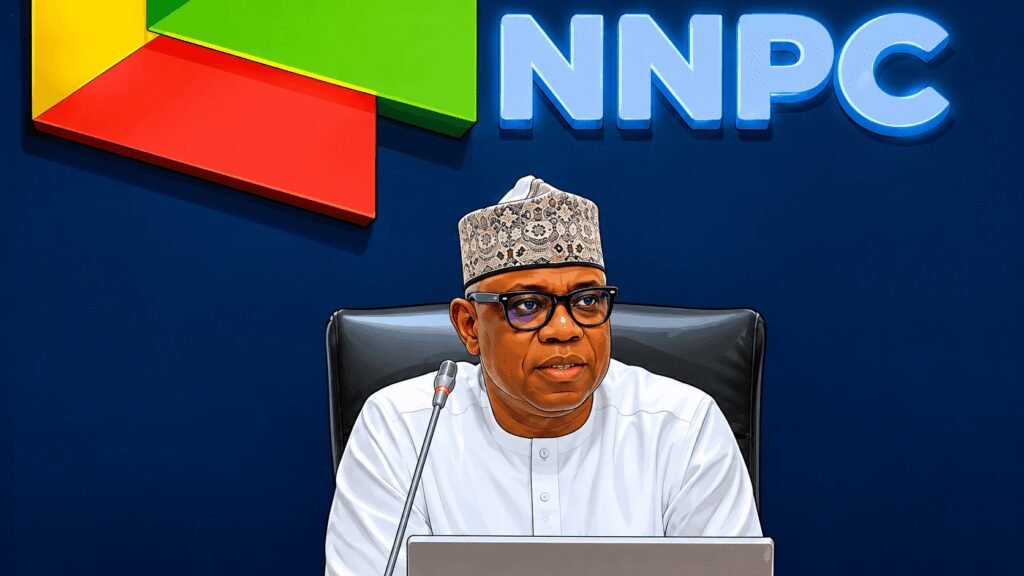
NUPENG’s unusual praise at Aso Rock raises eyebrows across Nigeria
The petroleum union’s response departed sharply from the adversarial posture that Nigerian unions typically maintain toward sitting presidents. NUPENG executive president Oladiti commended Tinubu for ending the fuel subsidy regime, then decorated him as the union’s Grand Patron during the same meeting.
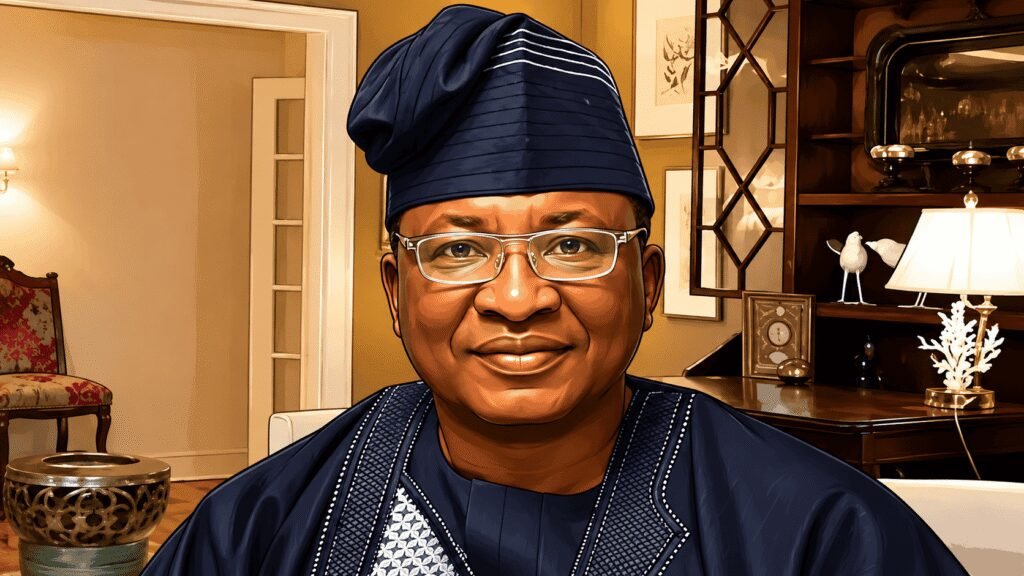
Minister of Information Mohammed Idris underscored the rarity of the moment. “It is not common that you find trade unions come back to the President and say, ‘Thank you for what you have done,'” Idris said.
For Tinubu, the union’s endorsement provides political cover, but the ultimate test is whether Port Harcourt and Warri can operate consistently and generate the profits he has defined as the only measure of success.
Key facts about Nigeria’s state-owned refineries
- Combined nameplate capacity across all three plants: 445,000 barrels per day, Nairametrics reported
- Cumulative rehabilitation spending: approximately $7.35 billion since the early 1990s, Daily Trust reported
- Port Harcourt refinery received a $1.5 billion contract awarded to Italy’s Tecnimont (now Saipem) in 2021, Vanguard reported
- NNPCL signed a memorandum of understanding with two Chinese firms on April 30, 2026, Vanguard reported
- None of the three refineries has produced refined fuel at commercial scale in over a decade