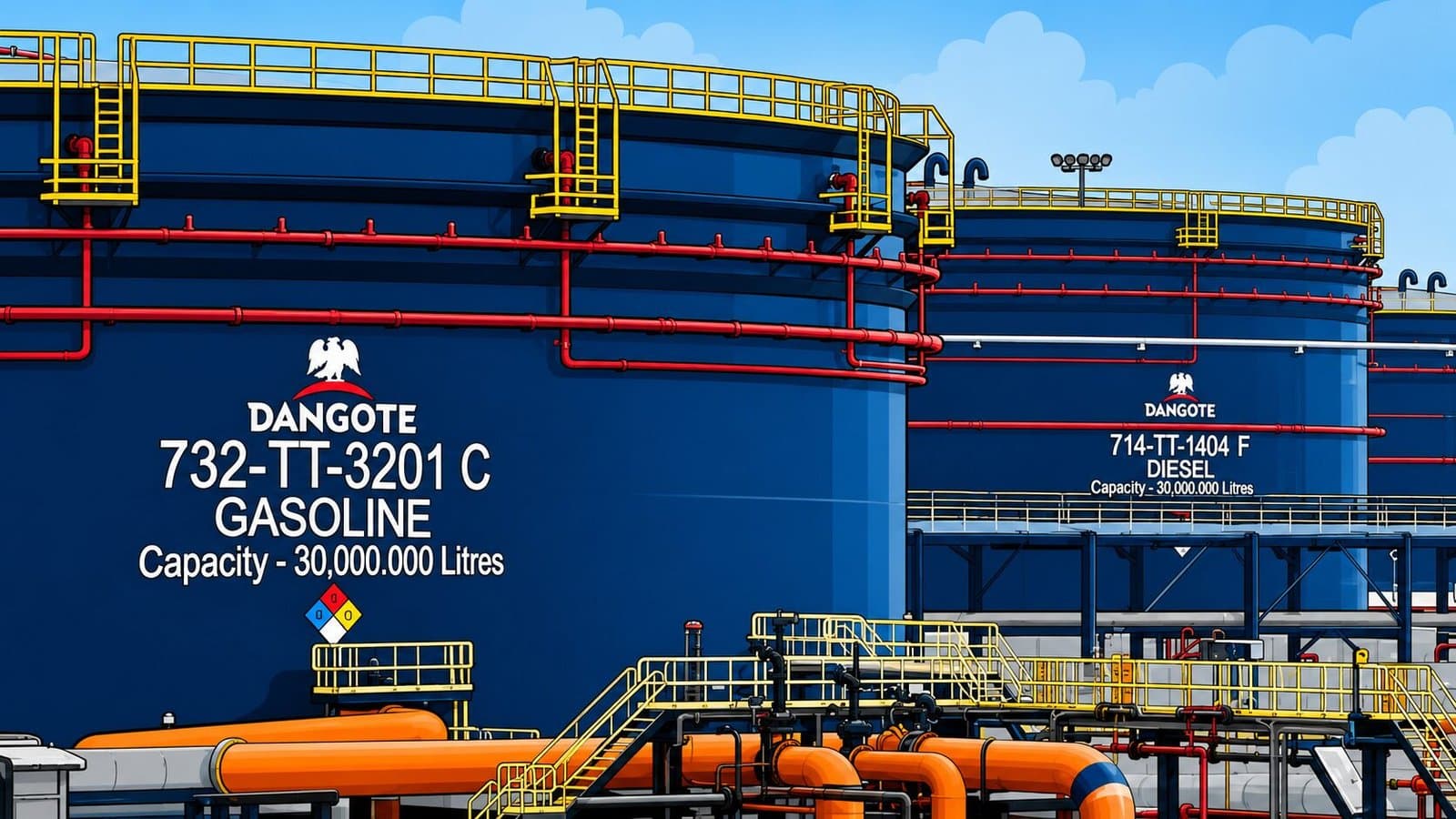

Millions of Nigerians and international investors are watching the Dangote Petroleum Refinery and Petrochemicals FZE listing closely. The planned initial public offering could raise between $2 billion and $5 billion, depending on final pricing, and value the refinery at between $39 billion and $50 billion. If the deal proceeds as structured, it will rank as the largest equity offering in African capital market history.
You will not find a published prospectus for this offering anywhere online at the time of this writing. Nigeria’s Securities and Exchange Commission confirmed on June 23, 2026, that no IPO application has been filed or approved, reported CNBC Africa. The regulator ordered all promotional activities halted and instructed market operators to return collected funds within 24 hours.
That intervention makes understanding the prospectus process even more urgent for you as a prospective investor. This guide walks you through what the prospectus will contain and where to find it when it becomes available.
Where to access the Dangote Refinery IPO prospectus when it is filed
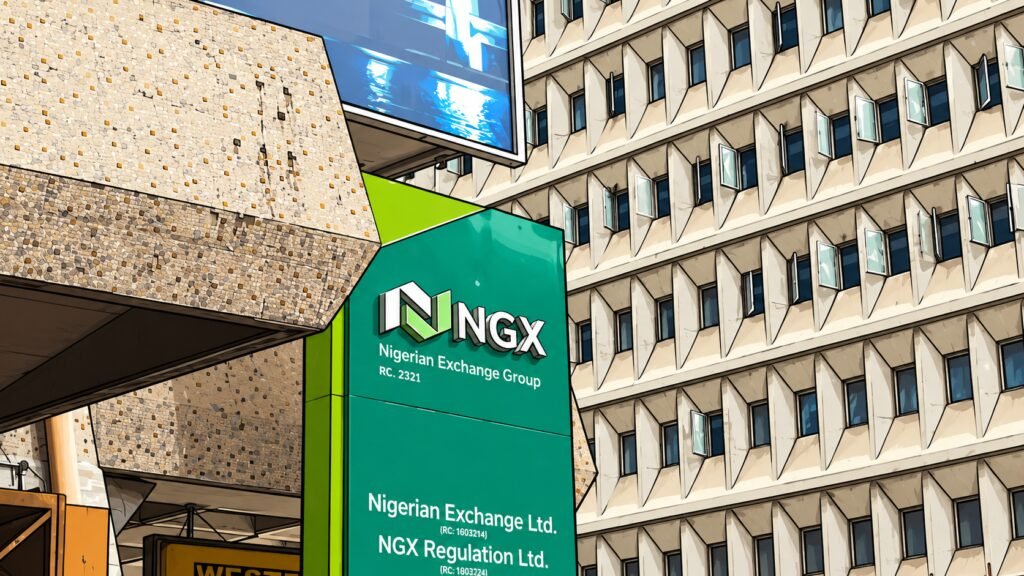
The prospectus will become publicly available through three primary channels once the SEC completes its review. The Securities and Exchange Commission of Nigeria will host the approved document on its regulatory filings portal after formal clearance. The Nigerian Exchange Group will also publish listing documents once the main board application is approved.
More on African capital markets:
How to buy Dangote Refinery shares: A retail investor’s guide to the IPO
Three issuing houses have been appointed to manage the transaction: Stanbic IBTC Capital, Vetiva Capital Management, and FirstCap. The Dangote Group’s own investor relations page is also expected to host the final document for public download once the SEC grants approval.
Do not rely on social media flyers, WhatsApp groups, or third-party promotional materials circulating ahead of the official filing. The SEC’s June 2026 directive made clear that all pre-approval solicitations constitute market manipulation under the Investments and Securities Act.
What each section of the Dangote Refinery prospectus will disclose
Nigerian IPO prospectuses filed under the Investments and Securities Act follow a standardized structure designed to protect retail investors. The Dangote Refinery document will contain several critical sections, each serving a distinct purpose for your due diligence.
The use of proceeds section will specify exactly how the company intends to deploy the capital raised from shareholders. Analysts expect a significant portion to fund the planned capacity expansion from 650,000 barrels per day to 1.4 million barrels per day. A successful raise could also pay down a meaningful portion of the refinery’s existing $3.65 billion debt load.
The risk factors section will outline every material threat to the company’s financial performance and your investment returns. For a refinery of this scale, expect disclosures covering crude oil price volatility, refining margin compression, and naira exchange rate exposure. The filing will also address regulatory risks tied to the company’s location in the Lekki Free Trade Zone, which operates under a different legal framework than standard Nigerian companies, noted BusinessDay.
Critical disclosures retail investors need to scrutinize in the prospectus
Several specific disclosures will separate informed investors from those swept up in the headlines surrounding this offering. The related-party transactions section deserves particular attention because Dangote Industries Limited holds 92.75% of the refinery. NNPC holds the remaining 7.25% stake, which it acquired in 2021 for $1 billion, reported Africa Oil & Gas Report.
The debt structure section will reveal the full terms of the refinery’s current borrowing arrangements and repayment obligations. The company restructured its obligations in March 2026 through a $4 billion syndicated loan involving 31 lenders. Afreximbank underwrote $2.5 billion of that facility, with Access Bank, Standard Chartered, MUFG, and Mashreqbank in supporting roles. Fitch downgraded Dangote Industries’ national long-term rating from AA(nga) to B+(nga) in August 2024, citing weaker liquidity and operational underperformance, reported BusinessDay.
“We are seeing a new class of first-time investors entering the Nigerian capital market, many of whom are explicitly motivated by their desire to participate.” — Onyeka Alika, Head of Retail Trading at Meristem, according to a report carried by Akses.co.id
The feedstock arrangements section will clarify how the refinery secures its crude oil supply, a critical driver of margins. The Central Bank of Nigeria’s balance of payments data confirmed the refinery imported $3.74 billion worth of crude in 2025 alone. The prospectus must disclose whether supply agreements with NNPC or international sellers carry price guarantees or volume commitments.
Temi Popoola, Group Managing Director and CEO of Nigerian Exchange Group, told Semafor that the listing could demonstrate that Nigeria’s capital market can support “complex, globally significant transactions” and would build “a pipeline of high-quality issuers that can access capital efficiently.”

Dangote Refinery’s proposed dollar dividend structure and regulatory status
One of the most structurally novel features of this planned offering is the proposed dividend payment mechanism. Investors would purchase shares in Nigerian naira but receive dividend payments in U.S. dollars, backed by projected annual export revenues of $6.4 billion.
This arrangement requires formal approval from both the SEC and the Central Bank of Nigeria before it takes effect. The prospectus will need to specify the exact regulatory framework governing this structure and outline what happens if foreign exchange regulations change. Nigeria’s National Pension Commission granted pension fund administrators a special waiver to invest in the IPO in May 2026, reported BlackEconomicDevelopment.com.
Financial statements and the valuation question you should ask
The prospectus will contain audited financial statements covering at least two full fiscal years of the refinery’s operating history since its 2024 commercial launch. These filings become critical because the valuation target has nearly doubled in a short period, from $20 billion to $25 billion in late 2025 to $40 billion to $50 billion by mid-2026.
The refinery recorded EBITDA margins of approximately 23% last year, placing it among the world’s most profitable refining operations, Bloomberg reported via Punch Newspapers. The subscription terms section will confirm the exact share price, minimum investment units, and the duration of the offer window.
Key Dangote Refinery IPO prospectus details to watch
- Subscription window is expected to open between August and September 2026, pending SEC approval of the prospectus.
- Approximately 10% of the refinery’s equity will be offered to institutional and retail investors through the NGX.
- The refinery carries $3.65 billion in existing debt, restructured through a $4 billion syndicated loan signed in March 2026.
- Dollar-denominated dividends require separate regulatory clearance from both the SEC and Central Bank of Nigeria.
- Dangote Industries Limited holds 92.75% of the refinery, while NNPC holds the remaining 7.25% stake.
What prospective Dangote Refinery IPO investors can prepare now
If you plan to participate in the offering, ensure your Central Securities Clearing System account is active and verified before the subscription window opens. The prospectus filing remains the most important milestone in this entire process, not media speculation or social media campaigns.
Once the document clears the SEC’s review, every claim about valuation, dividends, and returns can be measured against the actual numbers. Monitor the SEC Nigeria, NGX, and Dangote Group official channels exclusively for confirmed updates on the filing timeline.