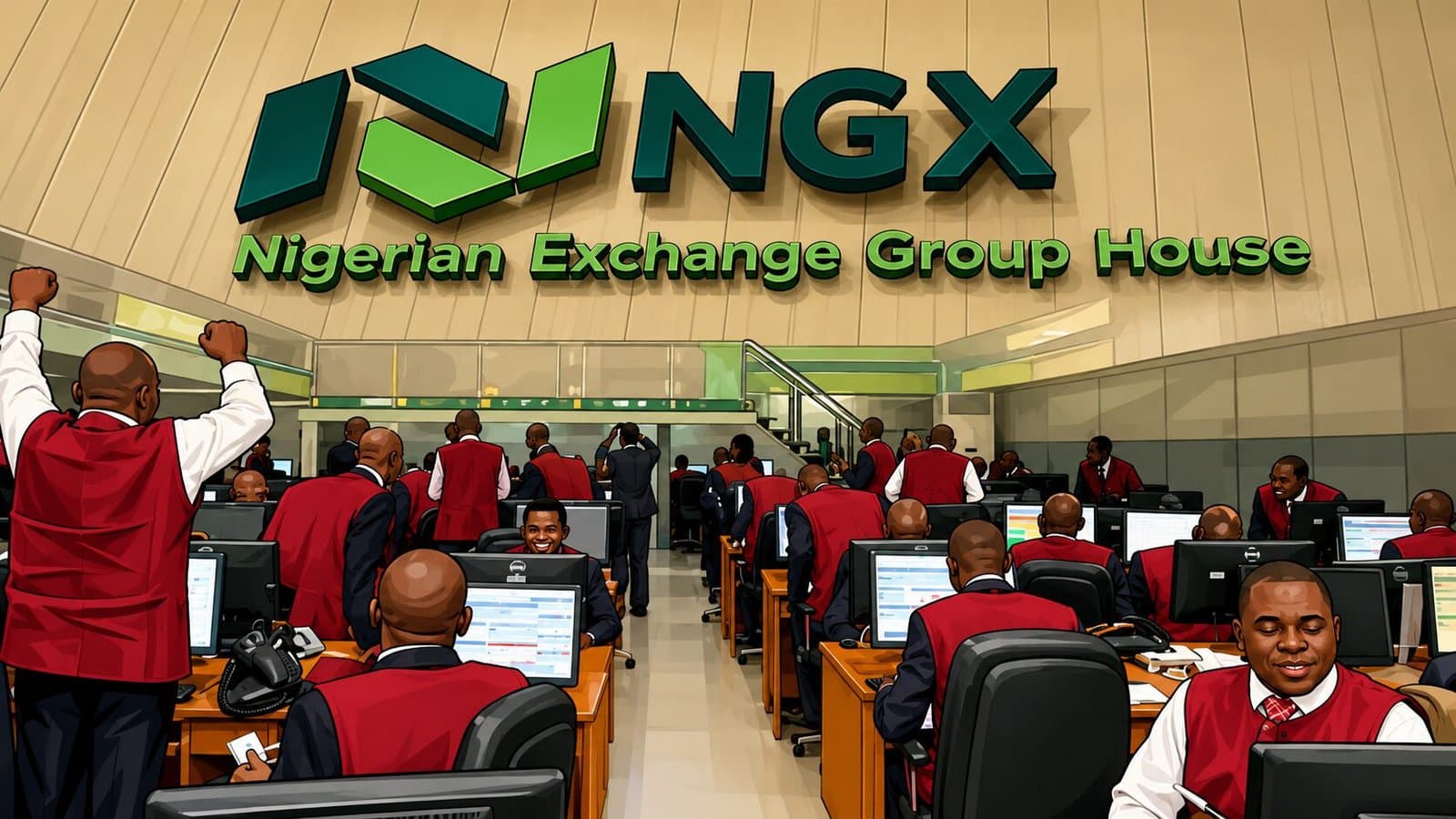

On June 1, 2026, the Nigerian Exchange’s ETF board told two very different stories at the same time. Meristem’s Growth and Value exchange-traded funds both surged 10% to close at ₦112.31 and ₦173.80, hitting what appears to be the exchange’s daily price movement limit on listed securities. On the other side, NewGold shed ₦2,380, the SIAML Pension ETF 40 dropped 3.80%, and Lotus Halal slipped 3.08%.
That divergence arrived alongside a ₦1.81 trillion wipeout in broader equities on the same session. If you hold ETFs on the NGX or have been watching the segment’s volatile swings throughout 2026, this session carries signals worth paying close attention to.
Meristem ETFs hit the 10% daily limit while NewGold and SIAML stumble
The Meristem Growth ETF closed at ₦112.31 after gaining ₦10.21, while the Meristem Value ETF settled at ₦173.80 after adding ₦15.80, according to the NGX Daily Official List for ETFs. Both funds posted identical 10% gains, a figure consistent with the exchange’s daily price movement limit on listed securities.

Vetiva’s Griffin 30 ETF jumped 8.72% to ₦110.89, while Vetiva Banking ETF surged 7.96% to ₦27.00, the official list showed. On the losing side, NewGold ETF fell 1.71% to ₦136,999.99 on just one unit traded, the SIAML Pension ETF 40 declined 3.80% on four units, and Stanbic IBTC ETF 30 slipped 1.08% to ₦4,045.80.
Thin liquidity fuels extreme Meristem ETF swings throughout 2026
Both Meristem ETFs are open-ended, passively managed funds designed to replicate the returns of their respective NGX benchmark indices, Meristem Wealth Management noted. The Growth ETF tracks companies selected for revenue growth rates and earnings momentum, while the Value ETF holds stocks chosen for metrics such as dividend yield and book-to-price ratios.
Despite their passive structure, both funds have delivered extreme price swings with little connection to underlying index movements this year. The Meristem Growth ETF dropped 59.29% in April alone before rebounding, and the Value ETF posted a 41.77% decline during the same period, Nairametrics reported. The Nairametrics research team cautioned that ETF price movements on the NGX may not fully reflect underlying asset values because thin liquidity can cause significant deviations from net asset value.
On June 1, the Meristem Growth ETF traded just 10 units and the Value ETF moved on 180 units, the official list showed. In markets with such shallow order books, a single motivated buyer can produce outsized percentage moves that would be impossible in more liquid venues.
NGX equities shed ₦1.81 trillion on the same day select ETFs surged
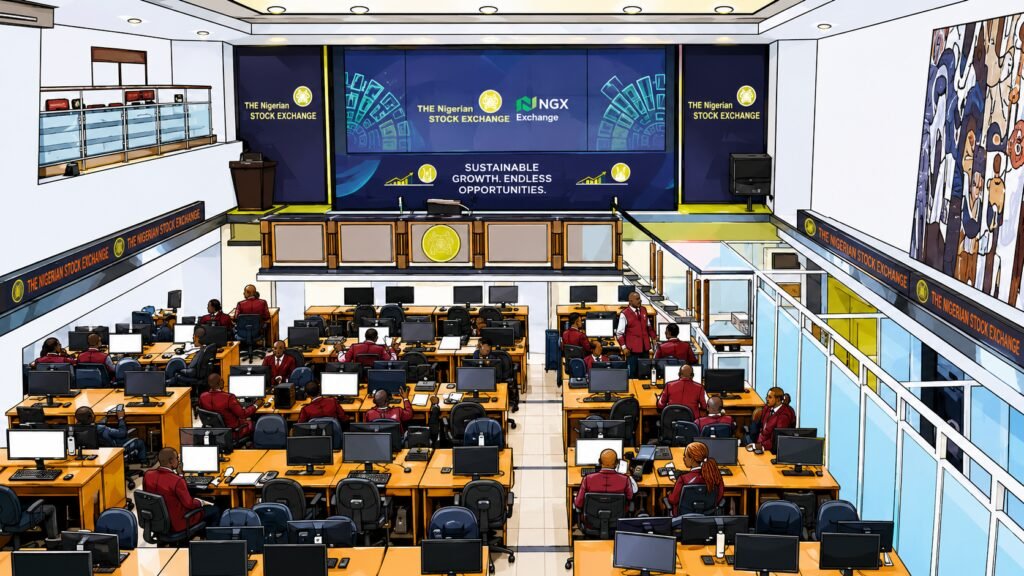
The ETF rally happened against sharp weakness in the broader equities market during the same session. The NGX All-Share Index fell 1.13% to 247,560.66 points on June 1, erasing ₦1.81 trillion in market capitalization and pulling the year-to-date return to 59.09%, Nairametrics reported. That session also marked the first trading day under Nigeria’s new T+1 settlement framework.
“We don’t just execute trades; we enable confidence. Our infrastructure and commitment to best execution ensure that every investor, no matter their background, has access to world-class capital market services.” — Adefemi Taiwo, Head of Marketing and Corporate Communications at Meristem Nigeria
The broader market’s weakness had been building throughout the final week of May 2026, during which total turnover fell to ₦111.48 billion from ₦161.76 billion the previous week, with 51 decliners outpacing 34 gainers, Investors King reported.
Nigeria’s ETF segment grew 41.7% in 2025, but liquidity gaps persist
The sharp swings are happening inside a segment that has been growing rapidly in total assets. Total net asset value for all ETFs on the NGX rose from ₦12.77 billion in 2024 to ₦18.08 billion in 2025, a 41.7% increase as the segment expanded from 11 funds in 2024 to 12 in 2025, according to Securities and Exchange Commission valuation reports compiled by Nairametrics. The VG 30 ETF alone contributed 43.21% of the segment’s total NAV in 2025, the report noted.

Key ETF movers on June 1, 2026
- Meristem Growth ETF: +10.00% to ₦112.31 (10 units traded, YTD return: -73.32%)
- Meristem Value ETF: +10.00% to ₦173.80 (180 units traded, YTD return: +33.69%)
- Vetiva Griffin 30 ETF: +8.72% to ₦110.89 (2 units traded, YTD return: +175.85%)
- NewGold ETF: -1.71% to ₦136,999.99 (1 unit traded, YTD return: +129.10%)
- SIAML Pension ETF 40: -3.80% to ₦6,550.01 (4 units traded, YTD return: +2,147.77%)
- Lotus Halal Equity ETF: -3.08% to ₦126.00 (38 units traded, YTD return: +347.60%)
What the June 1 ETF split signals for Nigeria’s traded fund market
In a televised interview on CNBC Africa, Cordros Securities projected a tempered but constructive tone for Nigerian equities heading into the second quarter of 2026, noting that the first-quarter rally was driven by discounted valuations, pension fund allocation changes, and renewed foreign buying. A senior research associate at the firm indicated that sector rotation is likely to persist, with banking stocks expected to remain in focus given strong earnings and dividend expectations.
A separate analysis from Investors King described May 2026 as a complete market cycle compressed into a single month, with capital rotating toward defensive instruments, including bonds and ETFs, during the final phase. That rotation may partially explain why select ETFs attracted concentrated buying interest on June 1.
The Meristem twin surge tells a story, but whether the next chapter is sustained momentum or another sharp reversal depends on whether liquidity conditions improve across the segment. On the NGX, 10% gains and 10% losses in ETFs can arrive within days of each other.