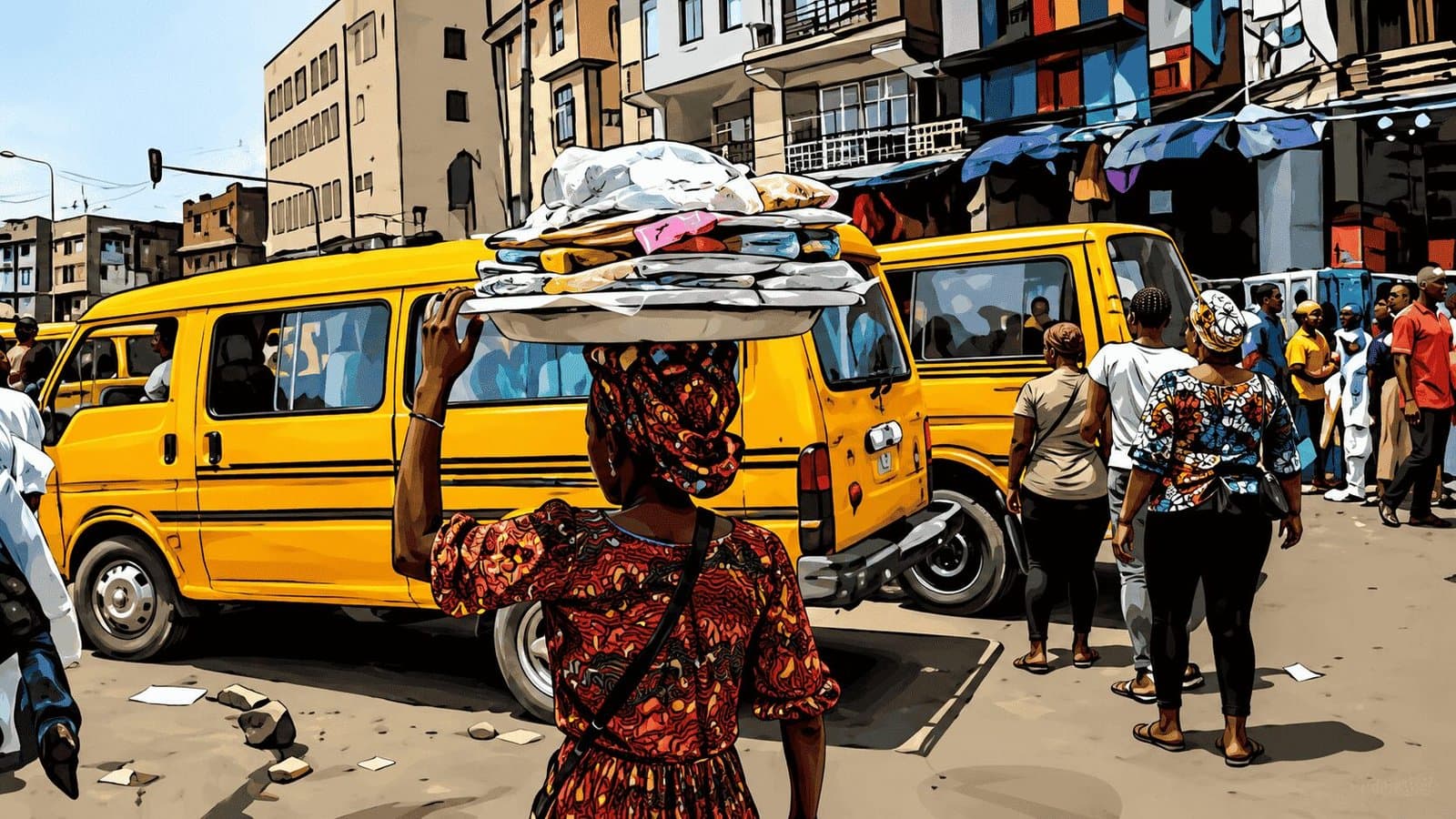

Imagine saving for years toward a car or a first home, only to watch every naira get absorbed by your monthly grocery bill. That is the situation millions of Nigerian households now face as inflation reshapes what families can afford to prioritize.
The Central Bank of Nigeria recently released its June 2026 Household Expectations Survey, and the findings paint a grim picture. Across income brackets, families have shifted almost entirely to survival spending, abandoning plans for homes, vehicles, and major investments.
The numbers behind this pullback are striking, but what they signal about the broader economy may be even more alarming. If you earn a salary in Nigeria, the data in this report speaks directly to decisions you are making every single month.
CBN survey shows Nigerian households abandoning big-ticket purchases
The CBN survey tracked household sentiment across multiple spending categories, and the results reveal a broad retreat from major commitments. Outlook indices for housing purchases plunged to negative 63.8 points, while vehicle purchases dropped to negative 62.9 points, according to the CBN Household Expectations Survey.
Investment intentions fell to negative 43.7 points, and household appliance purchases dropped to negative 42.9 points in the same period. Buying conditions for motor vehicles sat at just 24.7 points, well below the neutral 50-point threshold that would signal favorable conditions.
Purchase intention indices confirmed the retreat, with vehicles recording 18.9 points and buildings landing at just 18.8 points during June. These figures suggest most Nigerian households have indefinitely postponed any spending beyond what is strictly necessary for daily survival.
Food spending swallows Nigerian household budgets as inflation climbs
Food ranked as the single largest spending priority for Nigerian households, recording a dominance index of 57.9 points in June. Other household goods followed at 29.8 points, with electricity and water at 19.5 points and education at 18.4 points.
The pattern is unlikely to shift anytime soon, as the survey projects food will remain the top household spending priority over the next six months. Headline inflation rose to 15.93% in May before easing marginally to 15.91% in June, the National Bureau of Statistics confirmed.
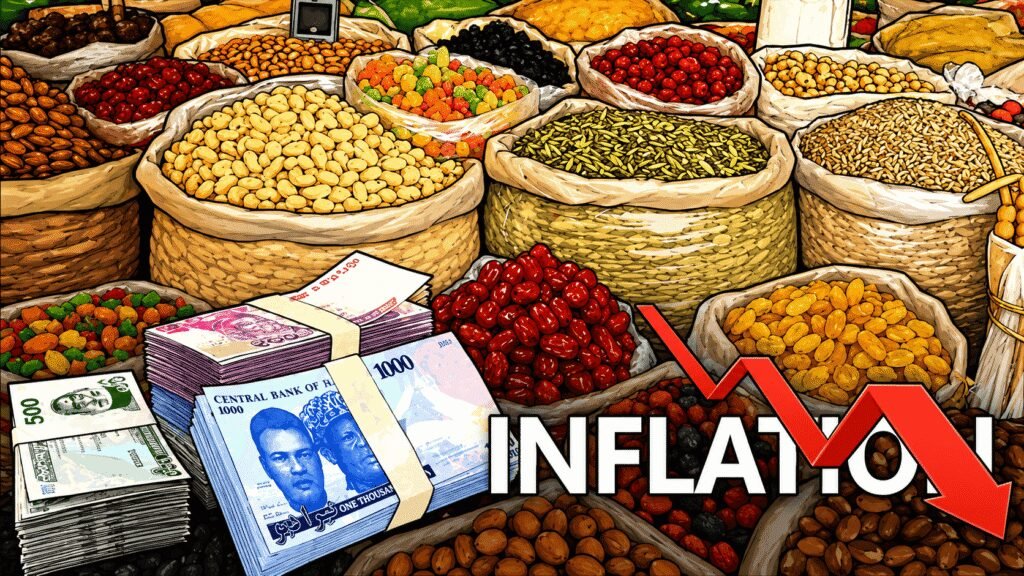
Food inflation, however, moved in the opposite direction, climbing to 17.52% in June from 16.96% in May. That divergence between headline and food price growth explains why Nigerian families feel squeezed despite the modest improvement in overall price data.
Boston Consulting Group’s Africa Consumer Sentiment Survey 2025 found that 83% of Nigerian households have reduced discretionary purchases due to persistent inflation and weak income growth, BusinessDay reported. That figure placed Nigeria among the most financially strained consumer markets on the continent, alongside Kenya and South Africa.
Economists warn Nigeria’s growth is failing ordinary households
The widening gap between statistical economic growth and lived household experience has drawn sharp commentary from leading Nigerian economists and financial analysts. The disconnect is hard to ignore when you consider that Nigeria’s GDP expanded 3.87% in 2025, according to the National Bureau of Statistics, while poverty climbed to 63%.
“The economy may still be growing in aggregate, but the average citizen is getting poorer.” — Bismarck Rewane, CEO, Financial Derivatives Company, at the Lagos Business School Breakfast Session (Naija247news)

Rewane projected that inflation could accelerate toward 17% to 20% by December 2026, driven by currency pressures, elevated energy costs, and structural supply chain bottlenecks. He cautioned that sustained inflation at elevated levels could erode household savings and increase poverty levels across Nigeria’s urban and rural populations.
The World Bank’s April 2026 Nigeria Development Update reinforced that warning, noting that roughly 140 million Nigerians now live below the poverty line. The share of the population in poverty climbed from 56% in 2023 to 63% in 2025, even as headline inflation moderated significantly during that same stretch, the World Bank indicated.
Sentiment improves, but Nigerian families still face tough choices ahead
There is a thin silver lining buried in the data, though it comes with significant caveats that temper any immediate optimism. The Overall Consumer Sentiment Index improved to negative 14.6 points in June from negative 16.8 points the previous month.
Family financial sentiment also edged upward, moving to negative 19.6 from negative 22.7 in May, the report noted. The CBN survey projects consumer confidence could turn positive by September 2026, reaching 3.1 points, driven by improving outlooks on family income and broader economic conditions.
The central bank, however, is not easing up on its tight monetary stance, keeping the benchmark interest rate at 26.5% after the July MPC meeting. CBN Governor Olayemi Cardoso stated that maintaining the current policy stance follows a thorough assessment of the balance of risk, noting that global uncertainties have heightened due to renewed hostilities in the Middle East, Vanguard reported.

Key figures from the CBN Household Expectations Survey (June 2026)
- Housing purchase outlook: negative 63.8 index points
- Vehicle purchase outlook: negative 62.9 index points
- Food spending dominance index: 57.9 points (highest category)
- Overall Consumer Sentiment Index: negative 14.6 points (improved from negative 16.8 in May)
- Buying Conditions Index for motor vehicles: 24.7 points (below 50-point neutral threshold)
- Headline inflation (May 2026): 15.93% (NBS)
- Food inflation (June 2026): 17.52%, up from 16.96% in May (NBS)
For now, about 42.7% of surveyed households expect bank lending rates to increase over the next three months, the report found. Nearly half of respondents said they would prefer lower interest rates even if it means tolerating somewhat higher inflation in the near term.
Economist Chidi Nwanze noted that domestic structural issues remain the primary drivers of inflation, but external shocks from the Middle East conflict are increasingly influencing prices through higher energy costs and rising global commodity prices, Tribune reported. That means Nigerian families may continue shelving big purchases well into 2027 unless income growth starts meaningfully outpacing rising living costs.