
A stock that has more than doubled in value this year just lost close to 10% of its share price in a single session. The catalyst was not an earnings miss, a regulatory investigation, or a sudden disclosure that might have rattled the broader market. It was a trade involving just 35 shares on the Nigerian Exchange.
Julius Berger Nigeria Plc, the construction heavyweight behind some of the country’s most prominent infrastructure projects, closed at ₦279.80 on August 7, 2026. That figure marks a 9.97% drop from the stock’s opening price of ₦310.80, landing it right at the NGX’s daily price limit, the NGX Daily Official List confirmed.
On a market where 1.52 billion shares traded across all listed equities in the same session, Julius Berger’s total volume was practically invisible.
How 35 shares erased ₦31 per share from Julius Berger’s stock price
The mechanics behind this move trace back to one of the NGX’s most persistent structural challenges: thin liquidity on individual counters. When a stock has limited shares circulating in public hands, even a modest sell order can produce an outsized price swing.
Julius Berger’s total indicative share trading liquidity over the past 12 months averaged roughly US$1.01 million per month, or approximately ₦1.3 billion, African Financials reported. That monthly figure covers all shares exchanged, meaning the daily average sits far below what institutional investors would require for efficient trade execution.
The drop is especially notable because the NGX’s pricing rules in effect on August 7 required a minimum of 100,000 shares to trigger an official price change for stocks trading below ₦500, according to the exchange’s rulebook. A revised, tiered framework lowering that threshold for higher-priced stocks does not take effect until August 17, The Guardian Nigeria reported. How the official close moved on just 35 shares under the existing volume rules remains an open question that the exchange has not publicly addressed.
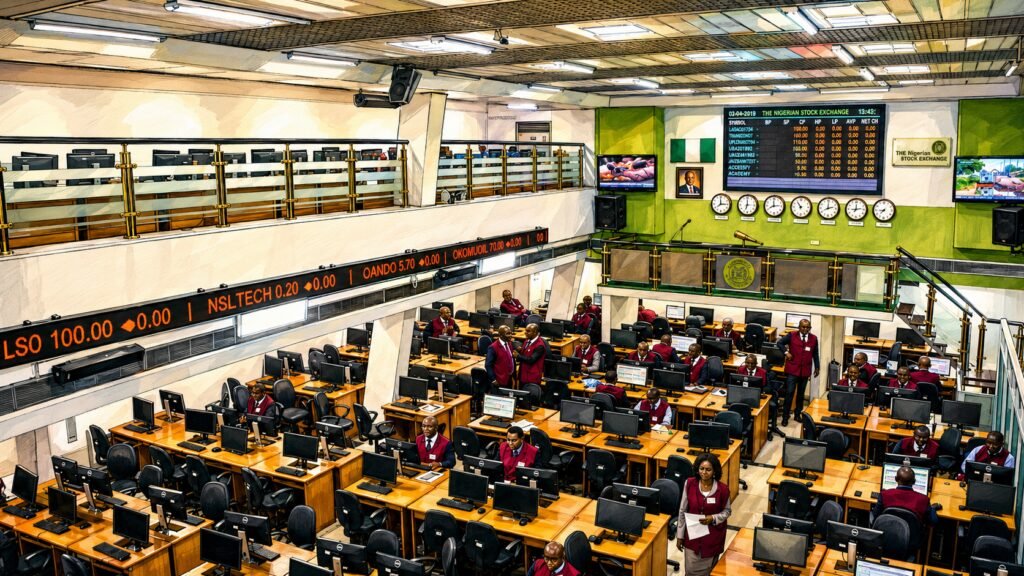
The stock’s 52-week range stretches from ₦110.00 to ₦315.00, reflecting a wide trading band despite strong underlying financials. Capital market experts interviewed by Blueprint have flagged this kind of volatility as a consequence of concentrated ownership structures on the exchange.
Adebola Onagoruwa, former President of the Chartered Institute of Stockbrokers, has warned that when only a small percentage of shares is available for trading, investors face serious difficulty executing transactions without moving the price, Blueprint reported.
“The market capitalisation of a company may run into trillions of naira, but if only five or nine per cent of its shares are available to investors, trading becomes constrained.” — An investment analyst, via Blueprint
Meristem Research analysts have called on the NGX to enforce a mandatory 20% minimum free float for all eligible listed companies, arguing that the current rules distort price discovery and investor confidence across the broader market, Blueprint reported.
Julius Berger’s H1 2026 financials contradict the sell-off
The price decline sits awkwardly next to Julius Berger’s financial trajectory. The company reported revenue of ₦424.56 billion for H1 2026, a 23.6% increase from ₦343.45 billion a year earlier, its interim financial statements showed.
Julius Berger by the numbers:
- H1 2026 revenue: ₦424.56 billion, up 23.6% year-over-year
- Operating profit: ₦17.38 billion, up 84.3% from ₦9.43 billion in H1 2025
- Order backlog: ₦1.57 trillion in remaining performance obligations
- FY 2025 dividend: ₦4.25 per share, 31% higher than the prior year’s payout
The ₦1.57 trillion order backlog signals long-term revenue visibility across the company’s civil engineering and building works segments.
The stock had gained more than 103% year-to-date before the August 7 session, rising from ₦152.90 at the beginning of 2026, NGX market records showed. Its price-to-earnings ratio of 17.3 times sat below the broader NGX market average of 18.8 times before the decline, Simply Wall St noted.
What ultra-thin trading days signal for NGX investors
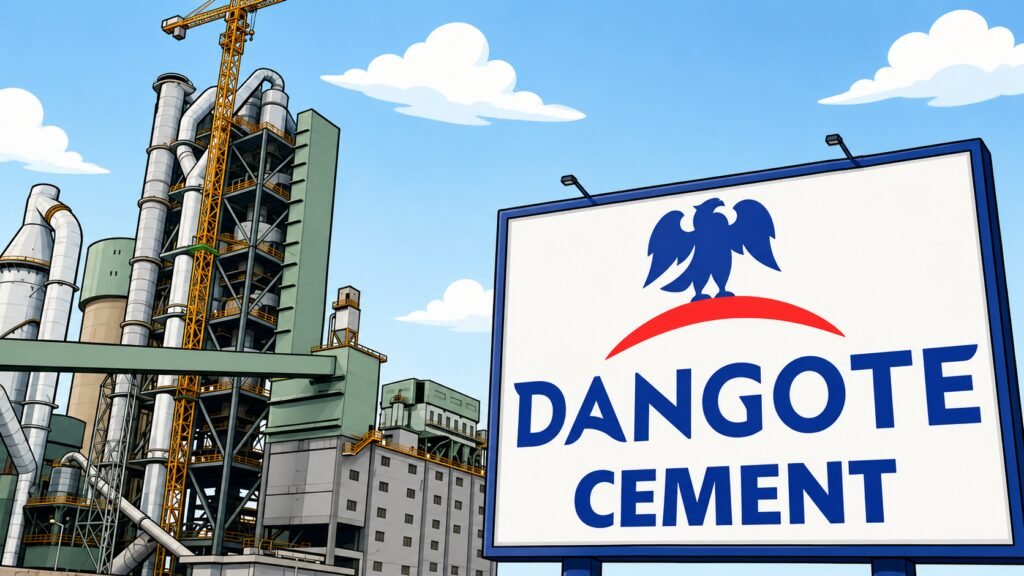
The August 7 session was not an isolated case on the Nigerian Exchange, where liquidity gaps are a recurring concern across multiple sectors. On that same day, Dangote Cement traded just two shares, while Airtel Africa moved only a single share at its new 52-week high of ₦5,801.40, the NGX Daily Official List confirmed.
Tayo Oyedeji, a fiscal policy partner at PwC Nigeria, has noted that many developed and emerging stock exchanges require companies to maintain minimum free floats of between 20% and 25% as a condition for continued listing, Blueprint reported.
August 7, 2026 NGX session snapshot
- NGX ASI: 245,573.60 (up 0.15%)
- Market capitalization: ₦158.51 trillion
- Total shares traded: 1.52 billion (up 185.5% from the previous session)
- Top gainer: UPDC (+9.23%)
- Top loser: Red Star Express (-10%)
- Julius Berger volume: 35 shares
The broader NGX All-Share Index closed up 0.15% at 245,573.60 on August 7, with market capitalization reaching ₦158.51 trillion, GTI Research reported. Total volume across the exchange surged 185.5% to 1.52 billion shares, making Julius Berger’s 35-share session all the more striking by comparison.
For investors tracking the NGX’s infrastructure sector, the session is a vivid case study in how liquidity constraints can distort price signals entirely independent of a company’s business performance.