

Investing
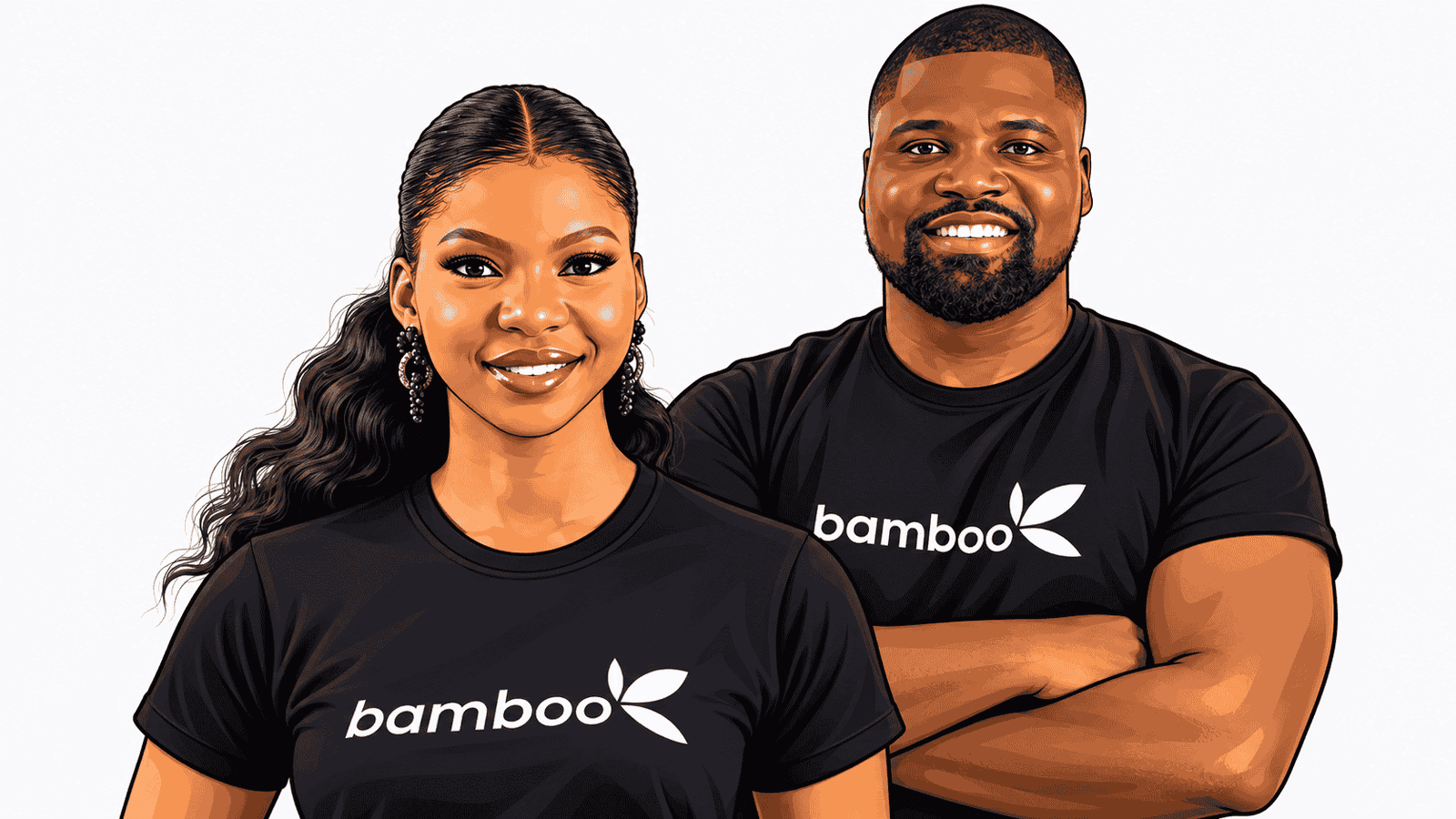
Cowrywise’s 1 million trades signal a new kind of investor
Cowrywise hit the mark fast, as the Dangote IPO widens the runway
Emmanuel OmoloyinOct 9, 2026
Follow the latest financial news, market moves, company updates, policy changes and economic developments shaping Nigeria and global markets each day.
Cowrywise hit the mark fast, as the Dangote IPO widens the runway
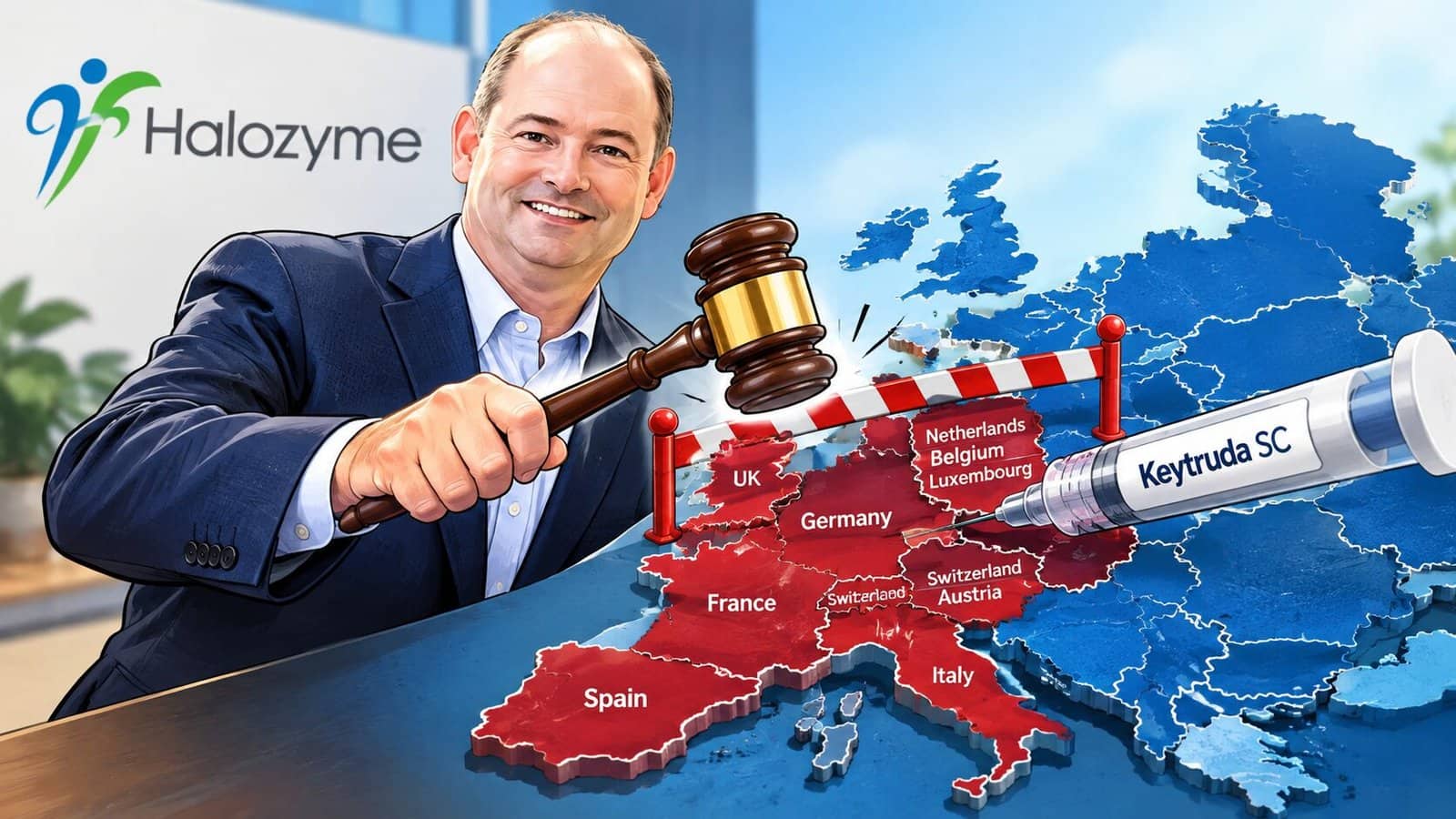
Nine EU markets block Keytruda SC as Merck’s 2028 cliff looms

Samsung Wallet opens USDC transfers to 82M Galaxy users; Bastion holds the licenses, Coinbase holds the balances.

Moove’s Lagos chapter ends, and 9,000 drivers get the cars.

The Nigerian-made Lagos Life browser game is turning viral attention into real advertising revenue inside its first week.

Aradel’s thin tape raises red flags for energy watchers

PlotWeaver and EndowPay bet on voice to crack Nigeria’s bill gap

NativeTalk opens enterprise messaging to Africa’s smaller firms.

Nigeria leads global crypto payments but ranks third overall
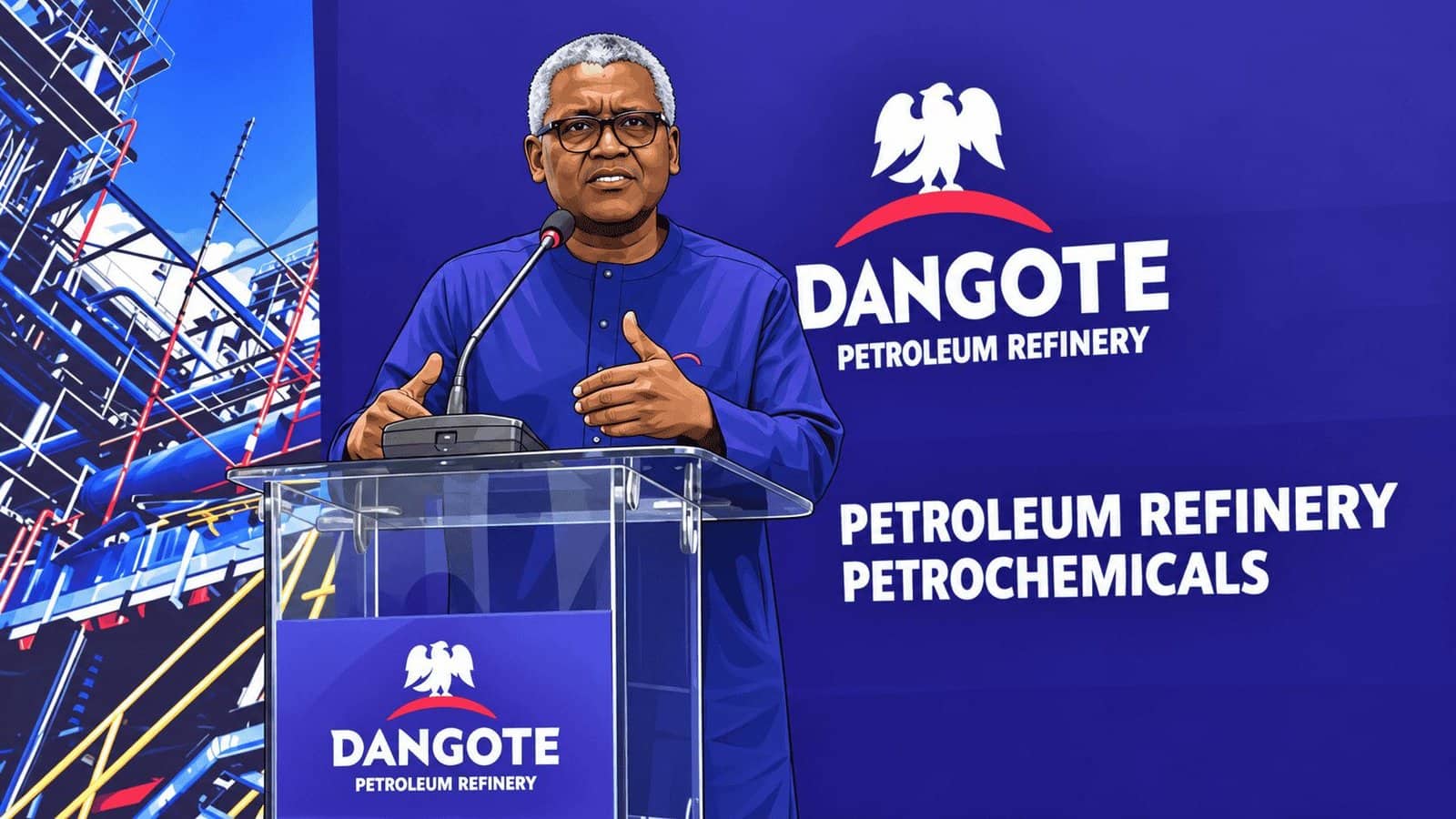
Dangote Foundation offers to double eligible students’ IPO stakes
MTN Nigeria posted a gain, but the volume tells another story
Newsletter
One email every Sunday. The week’s most useful guides, market-moving stories, and practical tools — chosen by our editors.