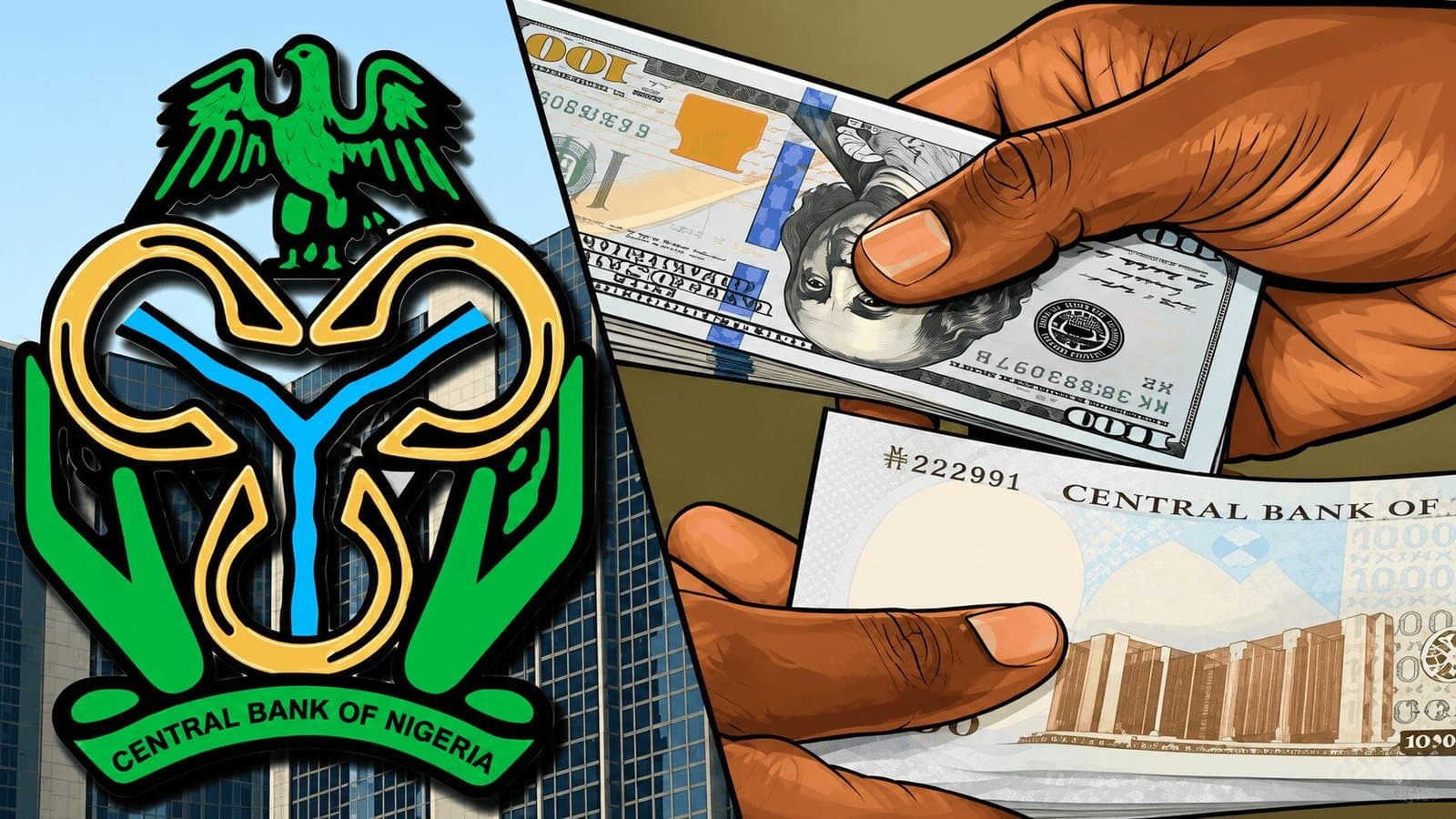

The naira posted a barely noticeable 0.10% gain against the dollar at Nigeria’s official foreign exchange window in the latest trading session.
A move that small would normally vanish in a market that has experienced swings of hundreds of naira in a single quarter since 2023.
The data beneath the headline rate, however, points to something significant about how Nigeria’s interbank foreign exchange market has started to function.
Interbank dollar turnover surged 63% in a single session, and Nigeria’s foreign reserves just crossed a 17-year high above the $51 billion mark.
The Central Bank of Nigeria has not sold dollars directly into the market for six consecutive weeks, making the turnover improvement all the more notable.
If you have been tracking the naira since the CBN floated it in June 2023, these numbers suggest the currency market may be shifting structurally.
Interbank dollar turnover surges 63% as CBN stays on the sidelines
The official exchange rate closed at ₦1,369.10 per dollar, up from the prior session’s ₦1,370.45, data from the Central Bank of Nigeria showed.
Interbank foreign exchange turnover jumped to $65.2 million during the session, up 63% from $39.9 million at the previous close, MarketForces Africa reported.
Transactions were executed between ₦1,368 and ₦1,373 per dollar during the session, reflecting a tighter trading band and improved liquidity across the official window, the report noted.
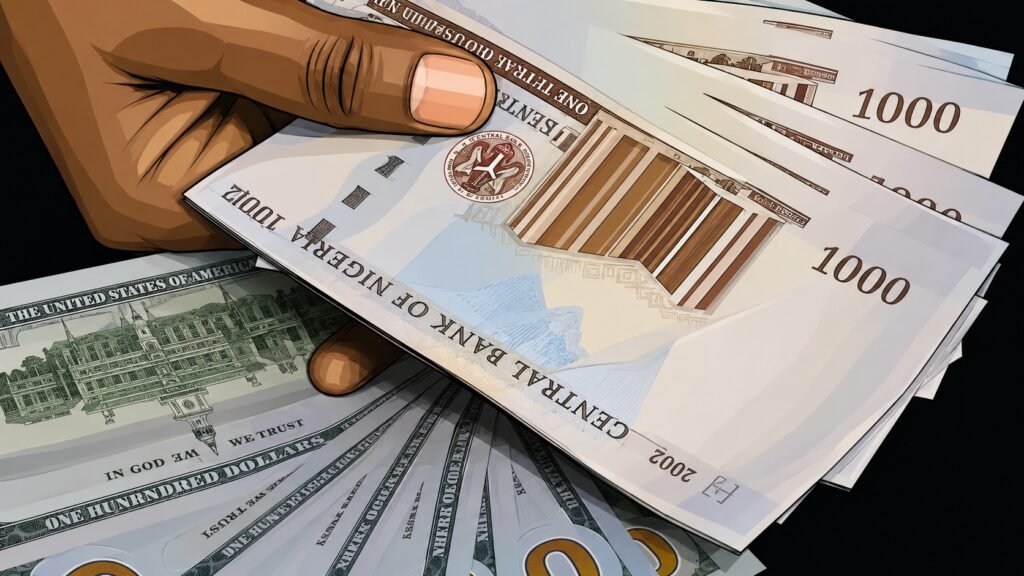
The entire liquidity improvement came from organic market activity, with the CBN staying out of direct intervention for six consecutive weeks, MarketForces Africa reported.
In the parallel market, the dollar traded near ₦1,400 for buying and between ₦1,410 and ₦1,420 for selling by location, Vanguard reported.
Nigeria’s $51 billion reserves hit CBN’s full-year target in June
Nigeria’s gross foreign reserves reached $51.04 billion on June 18, 2026, their highest level since January 2009 and a 35% gain year over year, Business Post confirmed.
The CBN credited the buildup to stronger oil earnings, steady diaspora remittance inflows, and renewed interest from foreign portfolio investors in Nigerian financial assets.
Capital importation totaled $10.37 billion in Q1 2026, an 83.83% year-over-year increase from $5.64 billion in the same quarter of 2025, MarketForces Africa reported, citing analysis from Cowry Asset Management.
CBN governor says naira’s official-parallel gap collapsed from 50% to under 2%
CBN Governor Olayemi Cardoso has framed the narrowing spread between official and parallel market rates as evidence that the bank’s reforms are delivering results.
The premium between the two markets dropped from about 50% in 2022 to under 2%, Cardoso noted at a Lagos lecture, Legit.ng reported.
“As long as we are able to continue in this particular manner, we will see a regular accretion to our reserves.” — Olayemi Cardoso, CBN Governor, Punch

Not all analysts share that level of confidence about where the naira is headed over the next several months of a pre-election cycle.
Bismarck Rewane, managing director of Financial Derivatives Company, estimated the naira’s fair value at roughly ₦1,257 per dollar using purchasing power parity, Vanguard reported.
That estimate suggests the currency remains undervalued by approximately 11%, a gap Rewane flagged at the 2026 Economic Outlook organized by the Association of Corporate Treasurers of Nigeria.
IMF caution and election-year risks could test the naira’s stability
The International Monetary Fund has urged the CBN to slow its pace of reserve accumulation so the naira can find a market-driven exchange rate, Rio Times reported.
The tension between building a larger financial buffer and allowing organic price discovery remains a key challenge for the apex bank through year-end.
Election years in Nigeria have historically triggered surges in dollar demand, policy uncertainty, and capital flow reversals across the foreign exchange market, BusinessDay indicated.
Key takeaways from the latest NFEM data
- The naira closed at ₦1,369.10 per dollar, up 0.10% from the prior session’s ₦1,370.45, CBN data showed.
- Interbank FX turnover surged 63% to $65.2 million, with no direct CBN intervention for six straight weeks.
- Foreign reserves reached $51.04 billion on June 18, 2026, a 17-year high and 35% above the year-ago level.
- The parallel market rate held near ₦1,400 to ₦1,420, keeping the official-parallel gap at roughly 3%.
For Nigerians who rely on the parallel market for dollars, the narrowing gap means a smaller premium over rates available through banks and licensed operators.
That smaller spread reduces the incentive to seek foreign exchange outside regulated channels, which benefits importers, travelers, and businesses that depend on dollar access.