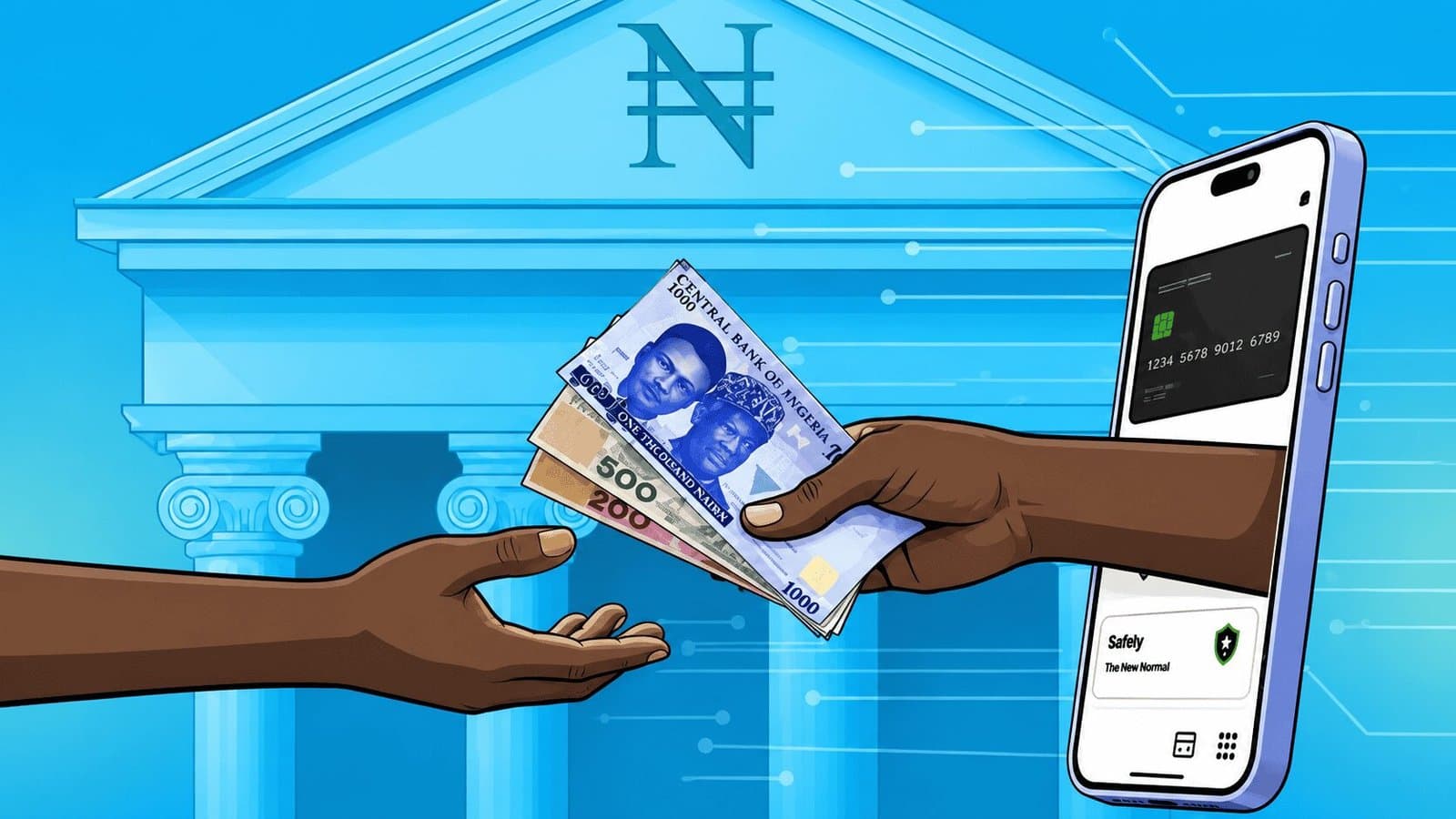

You open your phone, tap a colorful icon, and within minutes, a lender deposits cash into your bank account. That convenience has turned loan apps in Nigeria into one of the fastest-growing segments of the country’s financial ecosystem, serving millions of borrowers who cannot access traditional bank credit.
The speed, however, comes with serious risks that every borrower should understand before tapping that download button. Unlicensed digital lenders have harassed borrowers by accessing their phone contacts, published defamatory messages to friends and family, and charged annualized interest rates that would make even the most aggressive payday lender uncomfortable. Over 1,500 illegal lending websites and apps have been shut down through regulatory enforcement actions, according to BusinessDay.
Regulators have responded with the most aggressive overhaul the sector has ever seen, establishing a compliance framework that now covers more than 470 approved lenders. If you borrow from a digital lender in Nigeria, this guide will walk you through the regulatory landscape, the red flags to watch for, and the rights you hold as a consumer.
How Nigeria’s $2.1 billion digital lending market actually works
Digital lenders in Nigeria operate through mobile applications that use algorithmic credit scoring to evaluate borrowers and disburse funds, often within minutes of a completed application. The consumer digital lending sector is now estimated to be worth approximately $2.1 billion, with platforms disbursing loans totaling $865 million in 2025 alone, according to the CBN Fintech Report 2026, as Finance in Africa reported. Transaction growth has exceeded 45% annually since 2022, far outpacing the expansion rate of traditional microfinance institutions across the country.
Most digital lenders fall into one of two structural categories that borrowers should understand before applying for credit. The first category includes apps operated by licensed microfinance banks under direct Central Bank of Nigeria supervision, such as FairMoney Microfinance Bank and Moniepoint Microfinance Bank. The second category comprises standalone digital money lenders registered with the Federal Competition and Consumer Protection Commission, which now serves as the primary registration authority for non-bank digital credit providers.
Loans from these platforms are typically short-term, ranging from a few days to several months, with amounts spanning from as little as ₦2,000 to as much as ₦300,000 or more, depending on the borrower’s credit profile. Interest rates vary significantly; FairMoney, for example, charges between 2.5% and 30% monthly, while PalmCredit lists rates of 4% to 24% monthly, depending on the borrower’s profile and loan tenor, according to Entrepreneurs.ng. Borrowers should calculate the effective annual cost of any loan before accepting terms, as short tenors with seemingly modest monthly rates can produce very high annualized costs.
Who regulates loan apps in Nigeria: CBN and FCCPC explained
Two federal agencies share oversight of Nigeria’s digital lending ecosystem, and understanding which one covers your lender determines where you can file complaints. The Central Bank of Nigeria licenses and regulates deposit money banks and microfinance banks, meaning any loan app operated by a CBN-licensed microfinance bank falls under the central bank’s direct supervisory authority. The CBN sets the monetary policy rate, currently at 26.5%, which influences the broader cost of borrowing across the financial system, BANKiBUSINESS reported.
The Federal Competition and Consumer Protection Commission handles registration and compliance oversight for digital money lenders that operate outside the traditional banking license structure. Since 2022, the FCCPC has served as the primary registration body for standalone loan apps, working alongside a Joint Regulatory and Enforcement Task Force that includes the CBN, the National Information Technology Development Agency, and the Independent Corrupt Practices and Other Related Offences Commission.
As of mid-2026, the FCCPC had granted full regulatory approval to more than 450 digital lending companies, with several dozen additional platforms operating under conditional approval, Business Post Nigeria reported. An earlier January 2026 count from TV360 Nigeria placed the number of fully approved lenders at 457, with 35 under conditional approval and 29 CBN-licensed lenders also falling within the FCCPC’s regulatory scope, bringing the total number of regulated entities to more than 520 across both agencies.
More loan coverage from FinanceTracked:
- The SBA Loan Program Most Small Business Owners Overlook
- Nigerian banks split sharply on loan pricing in June
The FCCPC Limited Interim Regulatory Framework for digital lenders
The regulatory architecture governing loan apps in Nigeria dates back to 2022, when the FCCPC introduced the Limited Interim Regulatory/Registration Framework and Guidelines for Digital Lending. This framework was developed by the Joint Regulatory and Enforcement Task Force as an interim measure while a more comprehensive set of rules was being prepared, according to the FCCPC.
Under the interim framework, digital lenders were required to register with the FCCPC by completing two forms: Form DLG 001, which captures identification and operational information, and Form DLG 002, which contains declarations about business practices and compliance commitments, Lexology’s analysis noted. Applicants were also required to submit certified incorporation documents, business descriptions, organizational charts, evidence of complaint resolution mechanisms, and proof of tax compliance.

The framework also empowered the FCCPC to direct payment processors, app stores, and hosting providers to cut off services to lenders operating without approval. Payment platforms, including Flutterwave, OPay, Paystack, and Monnify, were instructed to cease providing transaction services to unlicensed operators, Lendsqr explained. Google was also ordered to remove specific non-compliant applications from the Play Store, and telecommunications companies were directed to stop providing server hosting to unlicensed digital lenders.
The 2025 DEON regulations and the January 2026 compliance deadline
Building on the interim framework, the FCCPC introduced the Digital, Electronic, Online and Non-Traditional Consumer Lending Regulations in July 2025, commonly referred to as the DEON Regulations. These rules, enacted under the Federal Competition and Consumer Protection Act 2018, established a comprehensive legal framework covering registration, monitoring, and sanctioning of all forms of digital and non-traditional lending in the country.
The Commission set January 5, 2026, as the final deadline for all digital lending platforms and intermediaries to achieve full compliance with the updated regulations, MSME Africa reported. Tunji Bello, Executive Vice Chairman of the FCCPC, stated that full compliance is both a legal requirement and a critical step in protecting consumers while ensuring the sector continues to grow responsibly.
The regulatory picture grew more complex in early 2026 when the Wireless Application Service Providers Association of Nigeria challenged certain provisions of the DEON Regulations before the Federal High Court in Lagos. In April 2026, the court granted an interim injunction restraining the FCCPC from enforcing disputed provisions against the association’s members, Mondaq reported. The FCCPC subsequently announced a temporary enforcement suspension in May 2026 pending further legal proceedings, though the broader regulatory framework for standalone loan apps remains active and enforceable.
How to verify whether a loan app in Nigeria is legitimate
Verifying a digital lender’s regulatory status takes approximately two minutes and can prevent months of financial and emotional distress. The FCCPC maintains a public registry of approved digital lenders on its website at fccpc.gov.ng, where borrowers can search for any app by name and confirm whether it holds full approval, conditional approval, or appears on the watchlist of unregistered operators.
The CBN separately maintains a registry of licensed microfinance banks at cbn.gov.ng, which covers app-based lenders operating under microfinance banking licenses. Borrowers should cross-reference any loan app against both registries before accepting credit terms, Business Post Nigeria recommended. App store listings can lag behind regulatory actions, so the FCCPC register is always more current than Google Play or the Apple App Store for confirming a lender’s status.
Key takeaways for verifying loan app legitimacy
- Check the FCCPC-approved lenders list at fccpc.gov.ng before downloading any loan application
- Verify microfinance bank-operated apps against the CBN’s licensed institutions registry at cbn.gov.ng
- Confirm the lender displays a verifiable physical office address in Nigeria within the app’s information section
- Look for an RC Number (Corporate Affairs Commission registration number) in the loan agreement documentation
- Ensure disbursements come from a corporate account, not a personal bank account operated by an individual
Common red flags that signal a predatory or unlicensed loan app
The single most reliable warning sign of a predatory lender is a request for access to your entire phone contact list or photo gallery before you can even submit a loan application. Licensed digital lenders operating under the 2026 regulatory framework are prohibited from harvesting borrower contact lists for debt collection purposes, and any app requesting such permissions before disbursement is likely violating FCCPC privacy rules.
Gbemi Adelekan, President of the Money Lenders Association, noted that the new regulatory framework has already begun to restore order in the sector, with a noticeable decline in consumer complaints against registered digital lenders. However, Adelekan also warned that some borrowers are exploiting the system by taking loans from dozens of platforms without repayment, creating new challenges for legitimate operators, TV360 Nigeria reported.
Additional red flags include the absence of a privacy policy within the app, no verifiable physical address or working phone number, loan disbursements routed through personal accounts rather than corporate ones, and interest rate structures that are unclear or change without notice. The FCCPC has placed 103 loan applications run by unregistered companies on its regulatory watchlist, and borrowers who encounter any of these warning signs should report the platform through the Commission’s complaint channels.
Typical application requirements for digital loans in Nigeria
Most legitimate loan apps in Nigeria require a core set of documents and data points that borrowers should prepare before beginning the application process. A valid Bank Verification Number serves as the primary identity check across nearly all platforms, linking the borrower to the national financial identity system. Lenders also typically require a government-issued identification document, such as a national ID card, international passport, or voter’s card.
Beyond identification, borrowers generally need an active bank account linked to a functional mobile number and a verifiable employment status or income source. Some platforms request access to bank transaction history through open banking integrations, which allows the lender’s algorithm to assess cash flow patterns and repayment capacity without requiring physical documentation. The entire process is designed to be digital from start to finish, with no branch visits or physical paperwork required.
Borrower rights under Nigeria’s 2026 digital lending regulations
The DEON Regulations and the broader FCCPC enforcement framework grant Nigerian borrowers a specific set of protections that licensed lenders must respect. You have the right to full disclosure of all loan terms before accepting credit, including the total cost of borrowing, applicable fees, the repayment schedule, and any penalties for late or missed payments. No licensed lender may hide charges or apply overnight interest rate changes without prior notification.
James Edeh, head of compliance at FairMoney Microfinance Bank, noted that compliance has become the new currency in Nigeria’s digital lending space, emphasizing that institutions adhering to the DEON Regulations, the Nigeria Data Protection Act, and CBN rules are positioning themselves for long-term sustainability, BusinessDay reported. The regulations also protect borrowers from contact-list-based debt recovery, meaning no lender may access your phone contacts and send messages to your friends, family, or colleagues as a pressure tactic for repayment.
Borrowers also retain the right to file formal complaints with the FCCPC against any lender that violates these protections. The Commission has strengthened its complaint resolution channels and actively encourages victims of unethical lending practices to document evidence and submit reports for investigation. Nigeria’s three main credit bureaus, CRC Credit Bureau, CreditRegistry, and FirstCentral Credit Bureau, collect data from banks, microfinance institutions, and major digital lenders, meaning your repayment behavior is increasingly being recorded and can affect future access to credit and the rates you are offered, Business Post Nigeria reported.
Interest rate ranges and the true cost of borrowing from loan apps
Interest rates across Nigeria’s digital lending market vary dramatically, and the headline rate advertised by an app rarely tells the full story of what you will actually pay. Monthly rates among approved lenders typically fall between low single digits and 30% on the high end, with the exact rate determined by the borrower’s credit profile, loan duration, and repayment history on the platform. First-time borrowers generally receive higher rates, which decrease as they build a positive repayment track record.
The critical calculation that many borrowers overlook is the effective annual percentage rate when short-term loans are compounded over a full year. A loan carrying a 15% monthly rate over a 30-day tenor translates to an effective annual rate that far exceeds what traditional banks charge for consumer credit products.
“For too long, the digital lending space in Nigeria has been clouded by predatory practices… We are offering a sanctuary for borrowers — fast, fair, and respectful of individual dignity.” — Bayowa Fredrick Borokini, founder and chairman, Andray Finance, in an interview with BusinessDay
Borokini’s comments reflect a broader shift within the industry, as licensed operators work to distance themselves from the abusive practices that defined the sector’s early unregulated years and eroded public trust in digital credit products.
The Global Standing Instruction framework, introduced by the CBN in 2020, allows CBN-licensed financial institutions, including microfinance banks that operate loan apps, to recover defaulted debts from a borrower’s accounts at other banks. The GSI mandate covers only outstanding principal and accrued interest and cannot be used to recover penal charges, according to the CBN’s published GSI Operational Guidelines. A January 2022 amendment made recovery attempts continuous and unrestricted for the lifetime of the overdue loan, Lendsqr noted. Standalone digital money lenders without CBN banking licenses do not currently have access to the GSI platform, though the CBN has signaled plans to expand the framework to additional fintech lenders and microfinance institutions, Nairametrics reported. Understanding this mechanism is essential before accepting any loan from a bank-affiliated app, because a default can trigger automatic deductions from your accounts at other financial institutions.
Frequently asked questions about loan apps in Nigeria
How do I check if a loan app is approved by the CBN or FCCPC?
Visit the FCCPC’s approved lenders registry at fccpc.gov.ng and search for the app by name to confirm its registration status. For apps operated by microfinance banks, check the CBN’s licensed institutions directory at cbn.gov.ng to verify the underlying banking license and regulatory standing.
What should I do if a loan app harasses me or contacts my family?
Document every instance of harassment, including screenshots of messages sent to your contacts, and file a formal complaint with the FCCPC through its website or at any of the Commission’s nationwide offices. Licensed lenders are explicitly prohibited from using contact-list-based debt recovery tactics under the current regulatory framework.
What are the typical interest rates on Nigerian loan apps?
Monthly interest rates among approved digital lenders vary by platform; FairMoney charges between 2.5% and 30% monthly, while PalmCredit lists rates of 4% to 24%, according to Entrepreneurs.ng. First-time borrowers usually face higher rates, which can decrease with consistent repayment behavior over multiple loan cycles.
Can a loan app deduct money from my other bank accounts?
Through the CBN’s Global Standing Instruction framework, CBN-licensed financial institutions, including microfinance banks that operate loan apps, can recover defaulted loan amounts from your accounts at other banks. The GSI covers only principal and accrued interest and does not extend to penal charges. Borrowers should understand this mechanism before accepting any digital loan offer from a bank-affiliated platform.
How many loan apps are currently approved to operate in Nigeria?
As of mid-2026, the FCCPC had granted full approval to more than 450 digital lending companies, with several dozen additional platforms operating under conditional approval and 29 CBN-licensed lenders also falling within the FCCPC’s regulatory scope. The Commission maintains a watchlist of 103 unregistered apps that face potential enforcement action.