
Ask a small business owner about an SBA loan, and they’ll almost certainly picture the 7(a) — the bank-issued, government-backed loan that can stretch into the millions. It’s the program that dominates the search results, the one most consultants pitch, and the one most owners assume they either qualify for or have to go without.
There’s another SBA program sitting one rung down, though, designed specifically for the businesses that don’t fit the 7(a) box.
According to the SBA’s program page, the SBA Microloan program offers loans of up to $50,000, with the average loan landing closer to $16,000.
That’s a significant gap from the 7(a), where the average loan size runs well over $400,000. It also happens to be the gap where most newer and less credit-established small businesses actually live.
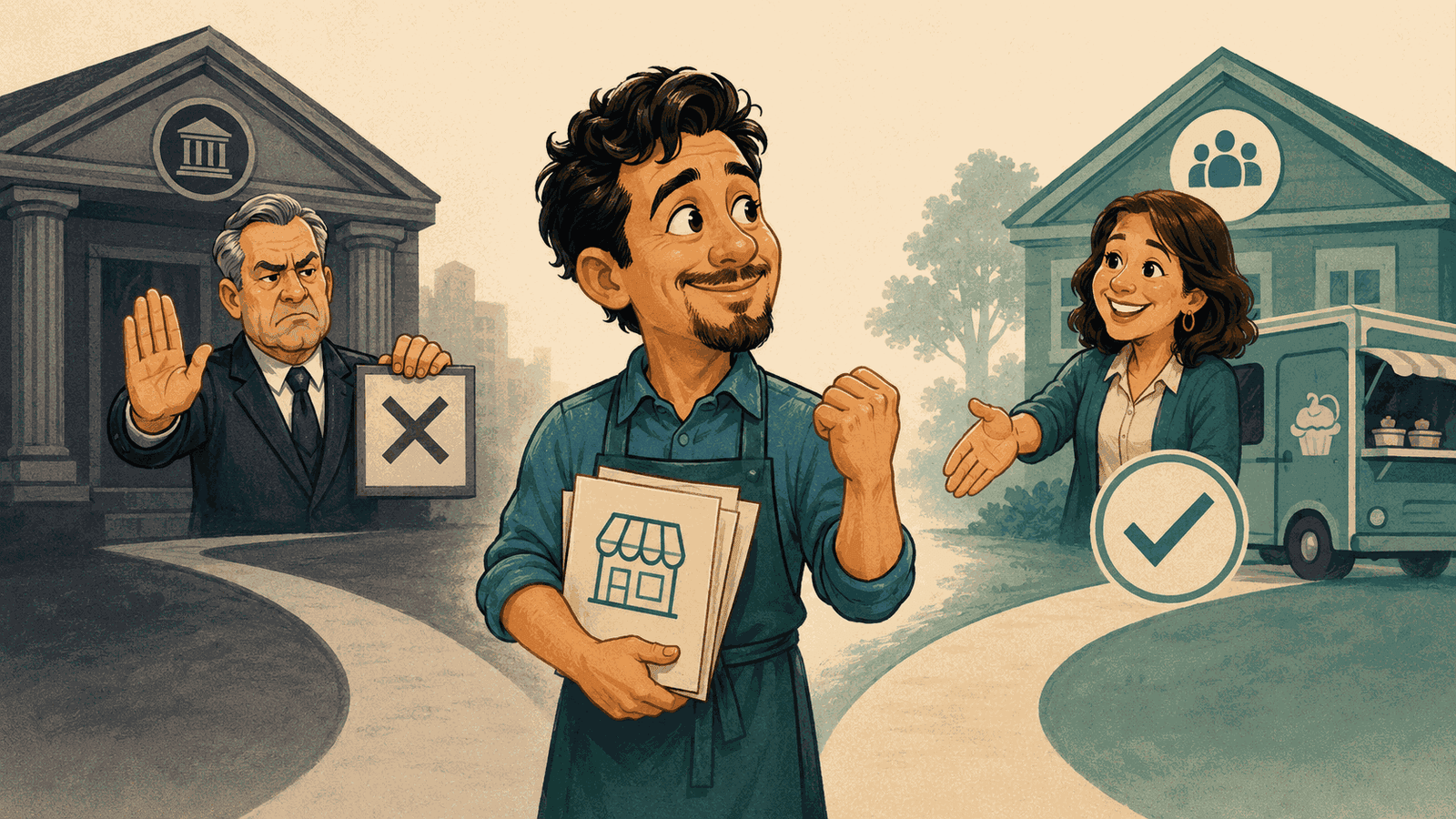
For startups and microbusinesses — the corner bakery, the two-person consultancy, the food truck three months from breaking even — a $16,000 loan can mean the difference between making next quarter’s payroll and closing the doors.
Owners trying to figure out the right type of financing for a new business frequently miss the microloan program because it isn’t offered by the same commercial banks they’re already calling.
How the SBA Microloan program actually works
Instead of running through traditional lenders, microloans are issued by a network of nonprofit, community-based intermediaries — Community Development Financial Institutions, women’s business centers, and similar mission-driven lenders.
The SBA itself doesn’t underwrite or service the loans. It funds the intermediaries, which then make their own lending decisions within SBA guidelines and provide the kind of hands-on technical assistance commercial lenders typically skip.
Per reporting from NerdWallet, interest rates on these loans usually fall between 8 and 13 percent, with repayment terms running as long as seven years. That’s competitive with the prime rate at most credit unions and well below what most online lenders charge an early-stage borrower.
The volume behind the program is bigger than most owners realize. In a recent fiscal year, SBA intermediaries issued roughly 5,000 microloans totaling more than $80 million — enough capital to fund every storefront on Main Street in a mid-sized American city several times over.
The Aspen Institute’s microenterprise research has tracked how those dollars disproportionately flow to women, minority, and immigrant-owned businesses that conventional banks pass on.
There is, of course, a catch. Microloan funds can’t be used to refinance existing debt or to purchase real estate, which rules out two of the more common reasons established small businesses borrow.
The application process also tends to run slower than what owners might experience with an online lender, since intermediaries typically require business plans, financial projections, and sometimes mandatory advising sessions before they approve.
While not exactly a quick funding option, that hand-holding is part of why microloan approval rates are higher than at traditional banks. The program is built specifically to fund borrowers that other lenders turn down, which means the application reads more like a conversation than a credit pull.
Basically, the SBA Microloan program is what owners should be looking at when a 7(a) is too much loan and a credit card or merchant cash advance is too expensive. Finding an intermediary is the easy part — the SBA maintains a state-by-state directory of approved microloan lenders on its website.
The paperwork takes longer than swiping a card, but the all-in cost is a small fraction of nearly every alternative. For a business in its first or second year, that math is almost always worth the wait.