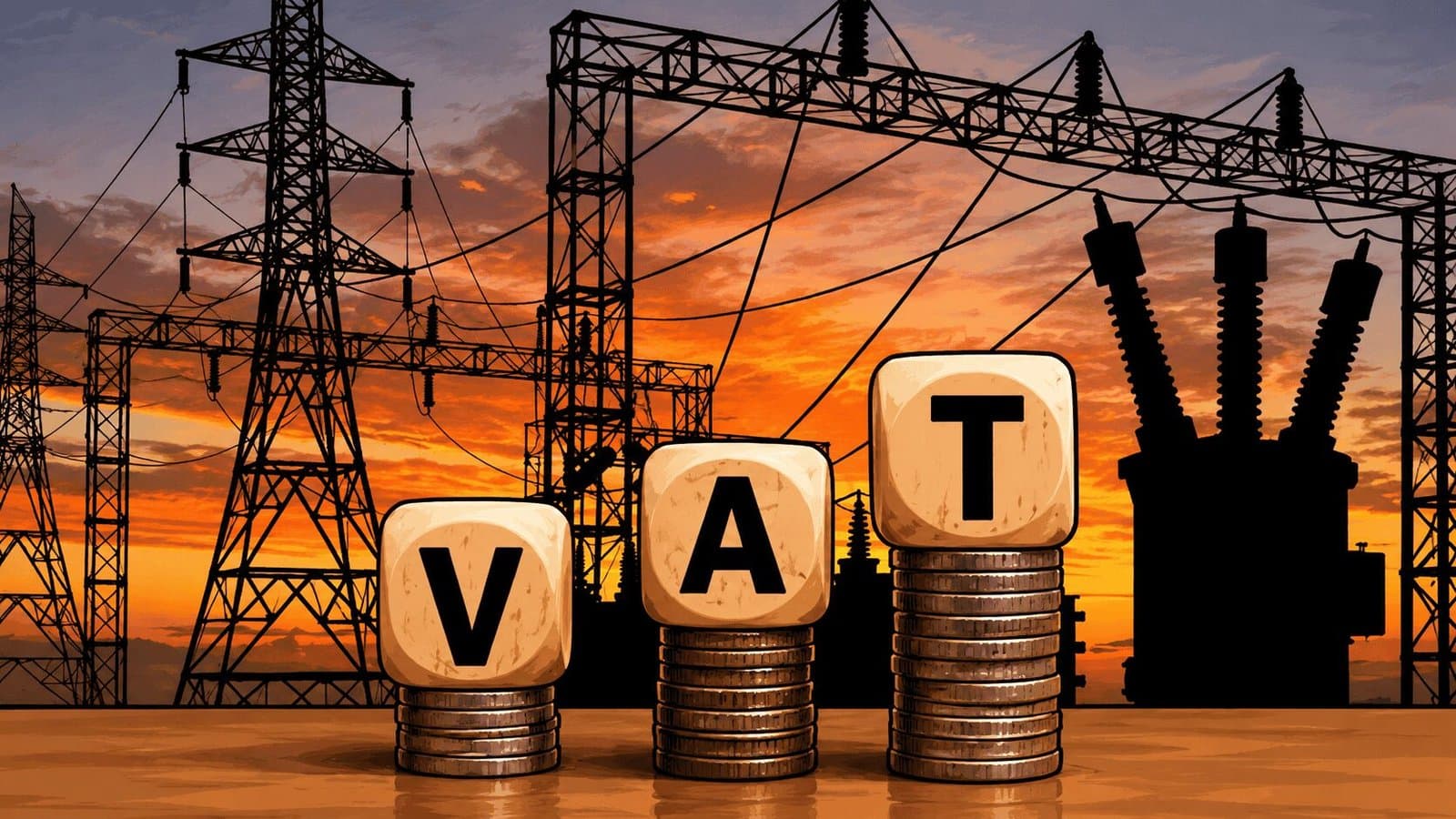

Nigeria collected a record ₦2.42 trillion in Value Added Tax during the first three months of 2026, a figure that paints a rosy picture of the country’s expanding tax base. Buried inside that headline number, however, is a collapse so steep it raises uncomfortable questions about the nation’s most critical utility.
VAT generated by the electricity, gas, steam and air conditioning supply sector fell by more than half compared with the same quarter last year. The decline arrived alongside a 15.30% contraction in the sector’s real GDP contribution, the weakest performance posted by any major economic segment in Q1 2026.
If you run a business that depends on grid power, or you pay rising electricity bills while supply stays unreliable, this data confirms what you already feel every month.
Electricity VAT fell from ₦15.63 billion to ₦7.65 billion in 12 months
The National Bureau of Statistics Sectoral Distribution of VAT report for Q1 2026 reveals the full scale of the electricity sector’s revenue decline. The segment generated just ₦7.65 billion in VAT during the quarter, down from ₦15.63 billion in Q1 2025, a plunge of 51.06%. That Q1 2025 base was itself unusually elevated; surrounding quarters ranged between ₦6.60 billion and ₦8.68 billion, suggesting the year-on-year comparison is amplified by a prior-year spike.
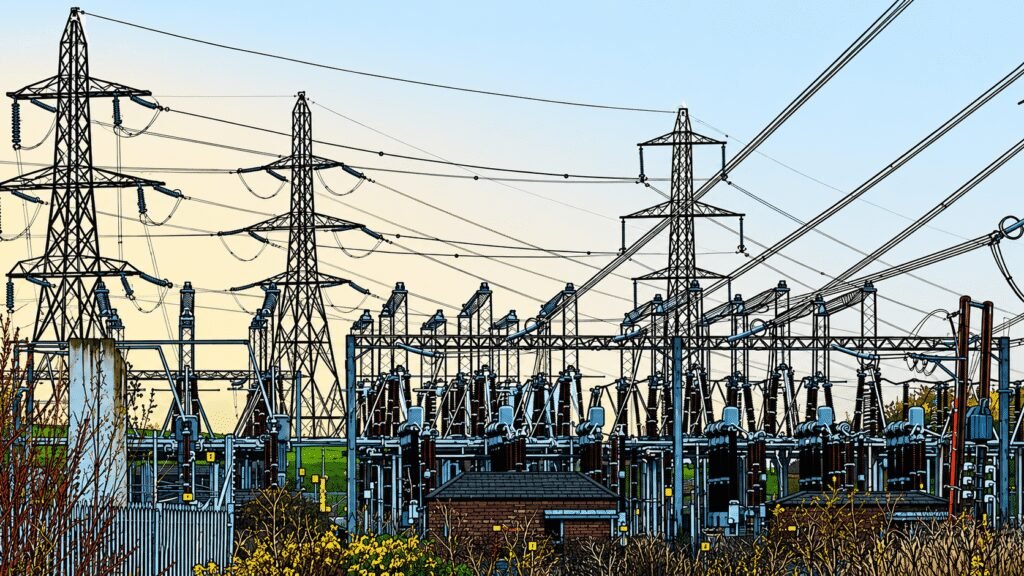
That decline left the electricity category with a 0.69% share of total local non-import VAT, well below the leading sectors in the 21-category classification. Manufacturing commanded 29.75% of the same pool with ₦329.59 billion, while information and communication captured 20.61%, the report indicated.
On a quarter-on-quarter basis the picture was milder, with electricity VAT slipping 7.22% from ₦8.24 billion in Q4 2025. The year-on-year comparison, however, exposes a structural downshift that a single-quarter reading cannot explain away.
Power sector losses and GDP contraction paint a wider crisis
The VAT decline did not arrive in isolation. The electricity and gas sector’s real GDP shrank by 15.30% year on year in Q1 2026, reversing the 18.65% growth posted in Q1 2025 and cutting its GDP contribution to a marginal 0.28%, The Guardian reported.
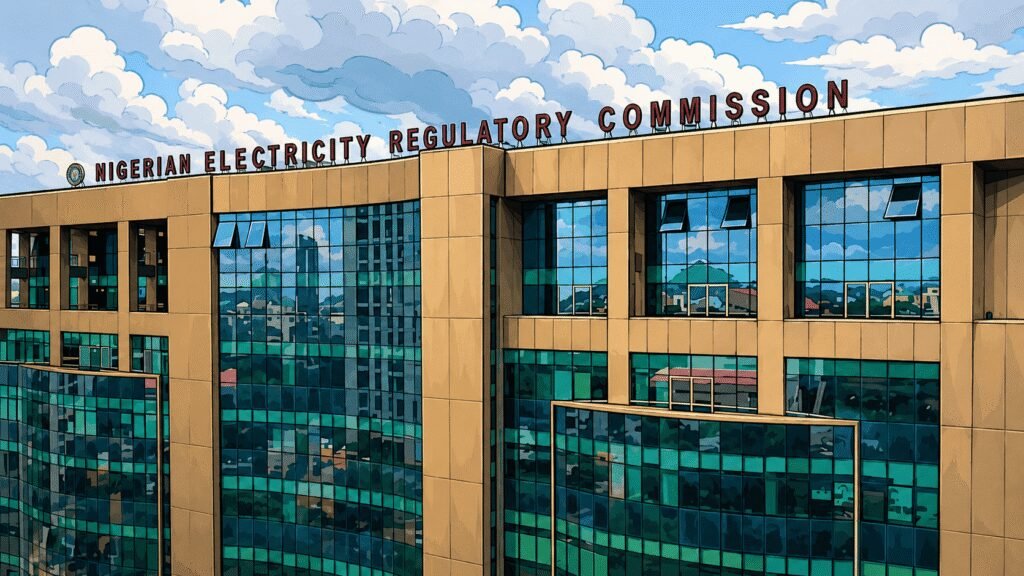
Monthly commercial performance factsheets published by the Nigerian Electricity Regulatory Commission showed that distribution companies lost roughly ₦310 billion in Q1 2026 through unbilled energy and uncollected revenue. Despite receiving electricity worth over ₦907 billion during the period, actual cash recovered totaled ₦597.55 billion, according to an analysis of the NERC data by The Punch.
CPPE calls electricity contraction the most troubling sign in Q1 data
The Centre for the Promotion of Private Enterprise offered one of the sharpest assessments of the electricity sector’s deterioration. Dr. Muda Yusuf, the organization’s chief executive officer, described the 15.30% GDP contraction as the most troubling aspect of the Q1 2026 economic release, The Punch noted.
“Electricity is not merely another economic sector; it is the foundation upon which productivity, industrialisation, competitiveness and inclusive growth depend. Deteriorating electricity supply further escalates production costs and weakens competitiveness.” — Dr. Muda Yusuf, CEO, Centre for the Promotion of Private Enterprise. Source: Legit.ng

In a policy brief titled “Fragile disinflation amid escalating energy shocks,” released in March 2026, the CPPE warned that Nigeria loses between ₦7 trillion and ₦10 trillion annually because of unreliable power supply, linking energy shortfalls to inflationary pressures across households and businesses, Nairametrics reported.
Nigeria’s total VAT grew 17% but the power gap keeps widening
The broader VAT picture offers reassurance that Nigeria’s tax base is expanding. Total collections rose to ₦2.42 trillion from approximately ₦2.07 trillion in Q1 2025, a 17.06% increase driven by manufacturing, telecoms and financial services. Local VAT reached ₦1.11 trillion, foreign VAT hit ₦830.47 billion and import VAT contributed ₦477.55 billion, the NBS report showed.
Key electricity sector VAT figures for Q1 2026
- Electricity sector VAT: ₦7.65 billion, down 51.06% year on year from ₦15.63 billion in Q1 2025, the NBS report showed.
- Quarter-on-quarter change: a 7.22% decline from ₦8.24 billion in Q4 2025, the report indicated.
- Sector’s share of local non-import VAT: 0.69%, a fraction of the leading categories across the 21-sector classification, the NBS data confirmed.
- Total national VAT in Q1 2026: ₦2.42 trillion, up 17.06% year on year, the report noted.
- Electricity and gas real GDP: contracted 15.30%, the worst of any major segment, the NBS GDP report showed.
The contrast between booming sectors and the electricity segment’s freefall underscores a two-speed economy that policymakers will struggle to reconcile until grid supply stabilizes and distribution companies narrow their persistent revenue gaps.