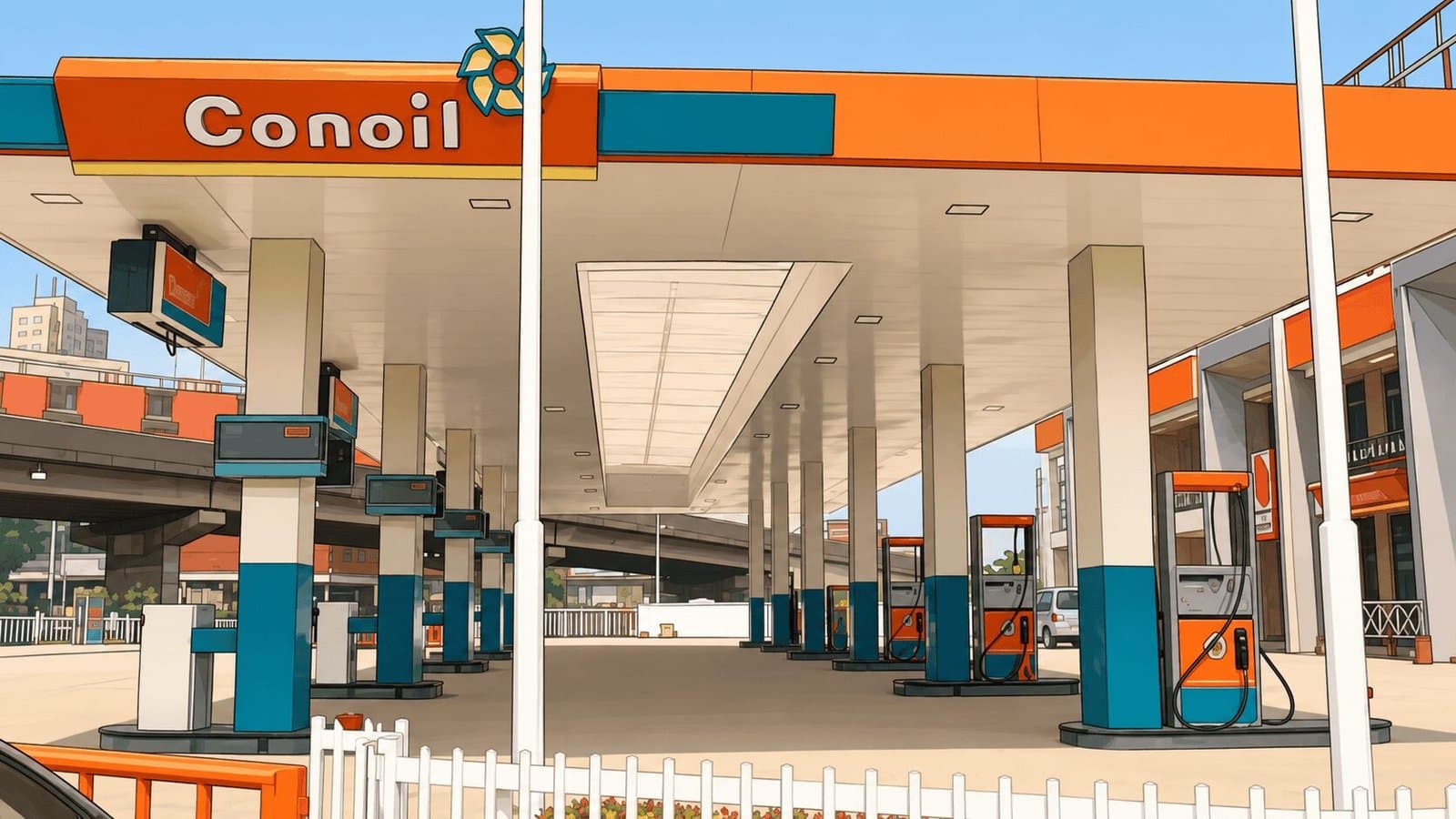

Conoil Plc dropped 10% on the Nigerian Exchange on July 2, closing at ₦189.00 after opening the session at ₦210.00. The petroleum products distributor now trades just ₦20 above its 52-week low of ₦169.00, and you may be wondering what is driving the slide.
The stock was not alone, because the broader equities market shed another ₦877.91 billion in total value that session. Oil and gas counters took a particularly heavy beating, with Seplat, TotalEnergies Marketing, and Aradel Holdings all posting sharp declines alongside Conoil.
The selloff follows a brutal June that erased more than ₦13 trillion from the NGX, compressing year-to-date gains from above 57% at the May peak to roughly 45%. For investors holding Nigerian oil equities, the pain is building in ways that deserve a closer look.
Conoil hits 10% limit down as oil stocks lead NGX losses
Conoil traded 6,100 shares before closing at the daily 10% limit down at ₦189.00, according to the NGX Daily Official List for July 2, 2026. The stock now sits just ₦20 above its 52-week low of ₦169.00, which signals growing selling pressure on the downstream petroleum distributor.
Seplat Energy fell roughly 10% to ₦10,227.60, while TotalEnergies Marketing Nigeria declined 10% to ₦576.00, the Official List confirmed. Aradel Holdings slipped approximately 9% to ₦1,161.00, deepening losses that began in mid-June across the oil and gas sector.
The NGX Oil and Gas Index had already posted the steepest sectoral decline on July 1, plunging 4.41% as profit-taking swept through energy counters, Nairametrics reported. Global crude added to the headwinds, with Brent falling below $72 per barrel amid easing supply fears from the Strait of Hormuz, Trading Economics data showed.
Conoil’s profit plunge and dividend cut fuel investor anxiety
The selloff comes against a backdrop of deteriorating fundamentals that have shaken confidence in the downstream petroleum company. Conoil’s profit before tax tumbled 75.7% to ₦2.68 billion for the year ended December 2025, down from ₦11.0 billion the prior year, Tribune Online reported. Revenue dipped 6.6% to ₦301.7 billion, and the board slashed its dividend to 200 kobo per share from 350 kobo.
That 42.9% dividend cut stung especially hard for income-focused shareholders who had enjoyed the stock’s 362% rally during 2024, when Conoil was one of the NGX Oil and Gas Index’s top performers, BusinessDay noted. The company did report encouraging Q1 2026 results, with profit after tax surging 1,235% to ₦3.90 billion, Blueprint reported, but the rebound has not been enough to offset the market-wide correction.
The NGX correction erased trillions from investors in June
Conoil’s steep drop is part of a much larger wave of profit-taking that has rattled the NGX since its record-high run in May. June 2026 was one of the most bearish months in the market’s recent history, with roughly ₦13.29 trillion wiped out across the exchange, GTI Research noted in a recent report.
“The market is simply balancing itself. We have seen a period of strong performance, and what is happening now is largely driven by profit-taking activities.” — Umaru Mathew, Head of Capital Market, Commodities and Dealers, Equity Capital Solutions Ltd., told the News Agency of Nigeria in June, via P.M. News
The July 2 session continued that trajectory, with the All-Share Index shedding 0.61% to close at 224,321.97 points and market cap dropping to ₦143.95 trillion, NGX Pulse data confirmed. Market breadth was firmly negative, with 39 stocks declining compared to just 17 gainers across the exchange.
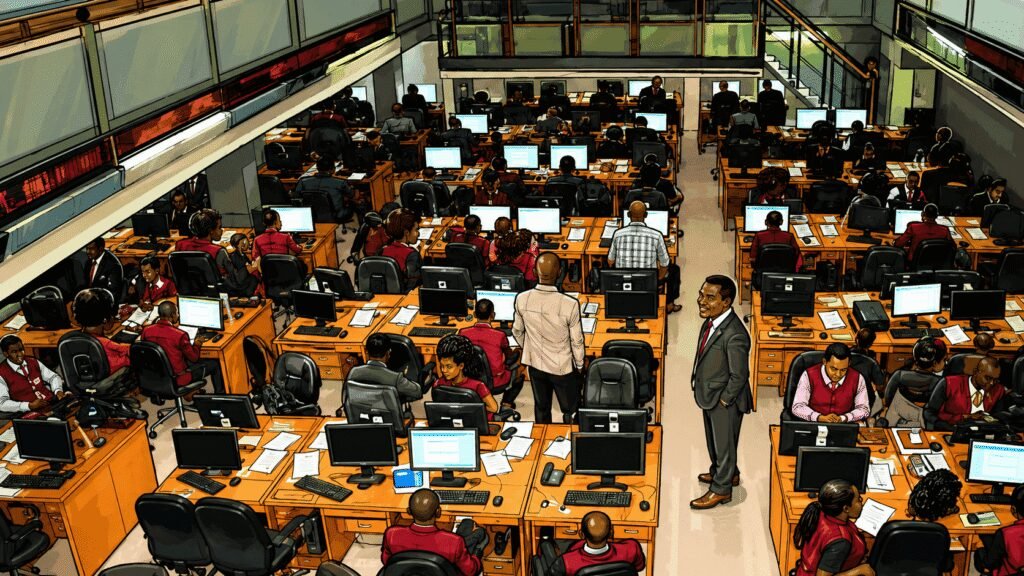
Key data points from the July 2 NGX session
- Conoil: Closed at ₦189.00 (down 10%), 52-week low at ₦169.00, per the NGX Daily Official List.
- Seplat Energy: Fell roughly 10% to ₦10,227.60, per the NGX Daily Official List.
- TotalEnergies Marketing: Declined 10% to ₦576.00, per the NGX Daily Official List.
- All-Share Index: Down 0.61% to 224,321.97 points, per NGX Pulse.
- Market cap: ₦143.95 trillion (lost ₦877.91 billion on the day), per NGX Pulse.
- Brent crude: Around $71 per barrel, down roughly 27% over the past month, per Trading Economics.
What Conoil investors should watch as Q3 2026 unfolds
Despite the sharp recent losses, the NGX remains one of Africa’s best-performing exchanges in 2026 with year-to-date gains still above 44%. The NGX Oil and Gas Index was the strongest sector in the first half, advancing roughly 90.3%, Tribune Online reported. That remarkable run, however, is exactly what makes the sector vulnerable to continued profit-taking.
For Conoil specifically, the path forward hinges on whether its Q1 earnings momentum can carry through the rest of the fiscal year. You will want to track the company’s next quarterly disclosure and watch how Brent crude prices behave as U.S.-Iran tensions continue to evolve, since the U.S. Energy Information Administration forecasts global oil demand will fall by 1.1 million barrels per day this year.