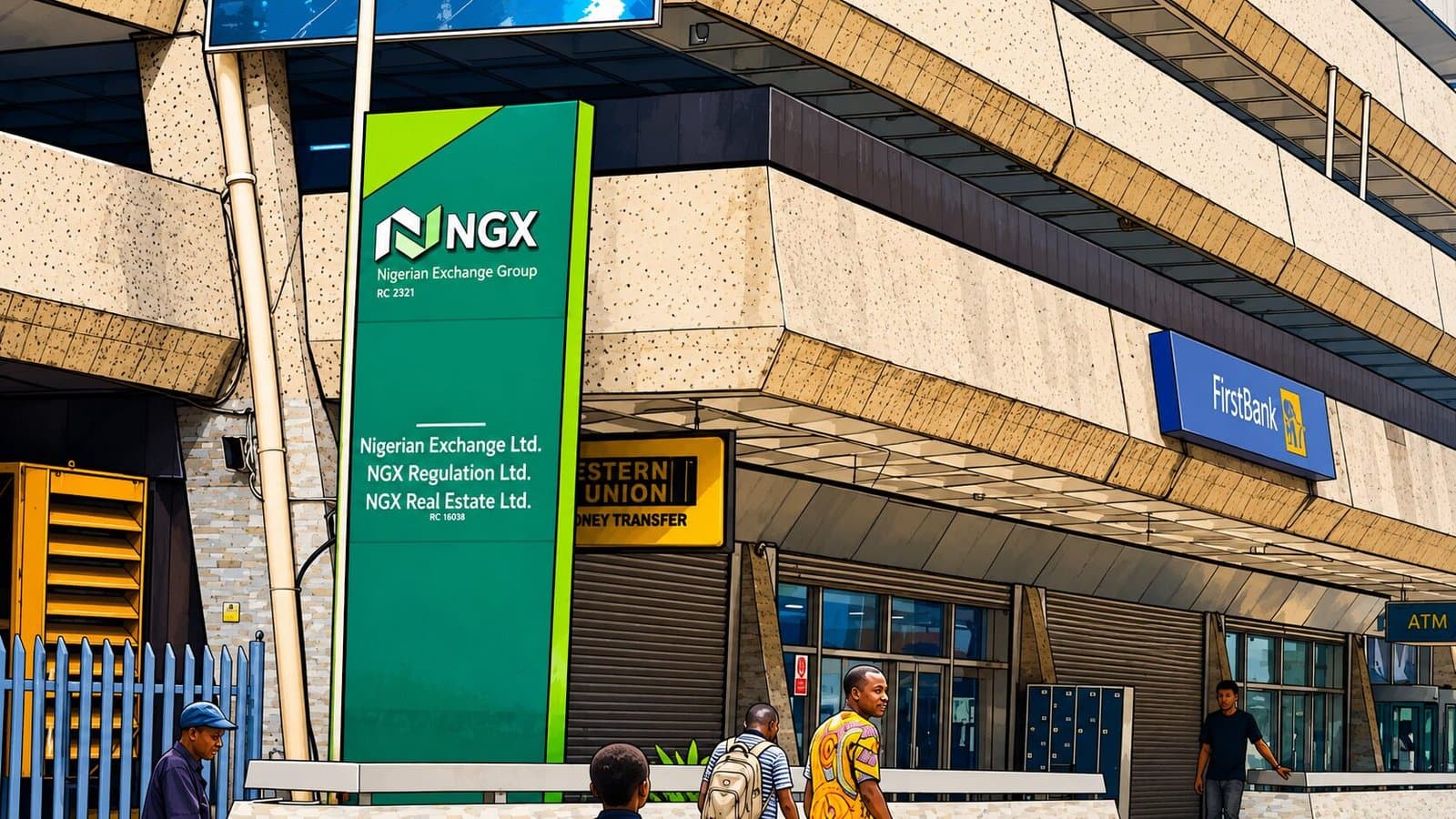

A structural shift is approaching for Nigeria’s most expensive equities, and most retail investors on the Nigerian Exchange have not fully processed what it means.
The Securities and Exchange Commission has approved a revised pricing methodology that replaces the exchange’s longstanding flat-threshold system with a tiered structure built around share price bands.
Stocks like Seplat Energy, Airtel Africa, and Dangote Cement sit at the center of an overhaul that targets how prices respond to trading activity.
The rule amendment, approved by the SEC on June 16, 2026, was originally set to take effect on August 17, 2026, before NGX pushed the launch back, The Sun reported.
For investors holding concentrated positions in premium-priced counters, the consequences of this change go well beyond routine regulatory housekeeping on the exchange.
How NGX’s 3 new pricing tiers affect premium stock trading
Under the amended Rule 15.29 of the NGX Rulebook, equities are now classified into three pricing groups, each with its own minimum volume threshold before a stock’s published price can shift, The Guardian reported.
NGX’s revised pricing tiers at a glance
- Group A (₦1,000 and above): 10,000-unit minimum, 10 kobo minimum price movement.
- Group B (₦500 to ₦999.99): 50,000-unit minimum, 5 kobo minimum price movement.
- Group C (Below ₦500): 100,000-unit minimum, 1 kobo minimum price movement.
The effect is most visible at the top of the market, where premium-priced names like Seplat Energy trade above ₦11,000 per share on the exchange.

Under the old framework, roughly 100,000 shares needed to change hands before a stock priced at ₦2,000 could register any price movement, Nairametrics reported.
That translated into approximately ₦200 million in trading volume flowing through a single counter before its quoted market price would budge.
With the new tiered structure, just 10,000 shares of that same ₦2,000 stock trigger a price change, slashing the capital requirement by roughly 90%.
Why the old flat-threshold pricing system fell behind
The previous system grouped stocks into three bands with thresholds at ₦100 and above, ₦5 to below ₦100, and below ₦5, using these as rigid classification markers.
That structure applied a uniform 100,000-unit volume requirement across all equities regardless of price, according to the official rule amendment published by NGX Group.
Charles Fakrogha, Managing Director and CEO of ECL Asset Management, described the flat threshold as increasingly unfair as Nigeria’s equity market matured over recent years.
“Requiring the same quantity to move the price of both categories does not provide a fair pricing methodology. That is why I consider the new arrangement a welcome development.” — Charles Fakrogha, MD/CEO, ECL Asset Management (via Nairametrics)

Senior stockbroker Tunde Oyediran echoed that view, noting that the tiered framework should reduce artificial volatility in the equities market, Leadership reported.
What reduced thresholds could signal for blue-chip holders
Abiodun Ogunniyi, Head of Research at GTI Securities, said the reform should bring greater price sensitivity to high-value counters frozen under the old system.
Previously, moving Seplat Energy’s price required more than ₦1 billion in trading volume, effectively locking the counter out of responsive price discovery, Ogunniyi explained.
He cautioned, however, that the reform leaves lower-priced stocks largely untouched and still vulnerable to manipulation by relatively small inflows of capital.

Many premium-priced stocks on the NGX have appreciated well over 50% across the past two years, with some delivering returns exceeding 100% during that stretch, Nairametrics reported.
That buildup creates a natural incentive for profit-taking once the lower thresholds are triggered, potentially sending sharper selling pressure through thinly traded names.
Ogunniyi argued that the deeper structural issue facing the Nigerian market is its shallow depth, describing the tiered pricing reform as only a partial fix.
NGX delays the rollout, but the approved framework holds
NGX confirmed on August 16, 2026, that the planned launch has been pushed back to a later date that has not yet been communicated publicly, Leadership reported.
Clifford Akpolo, Group Head of Communications and Partnerships at Nigerian Exchange Group, confirmed the postponement was tied to ongoing engagement rather than any specific cause or scheduling conflict.
The existing pricing bands remain in force across the exchange until NGX communicates a new effective date for the revised framework’s implementation.