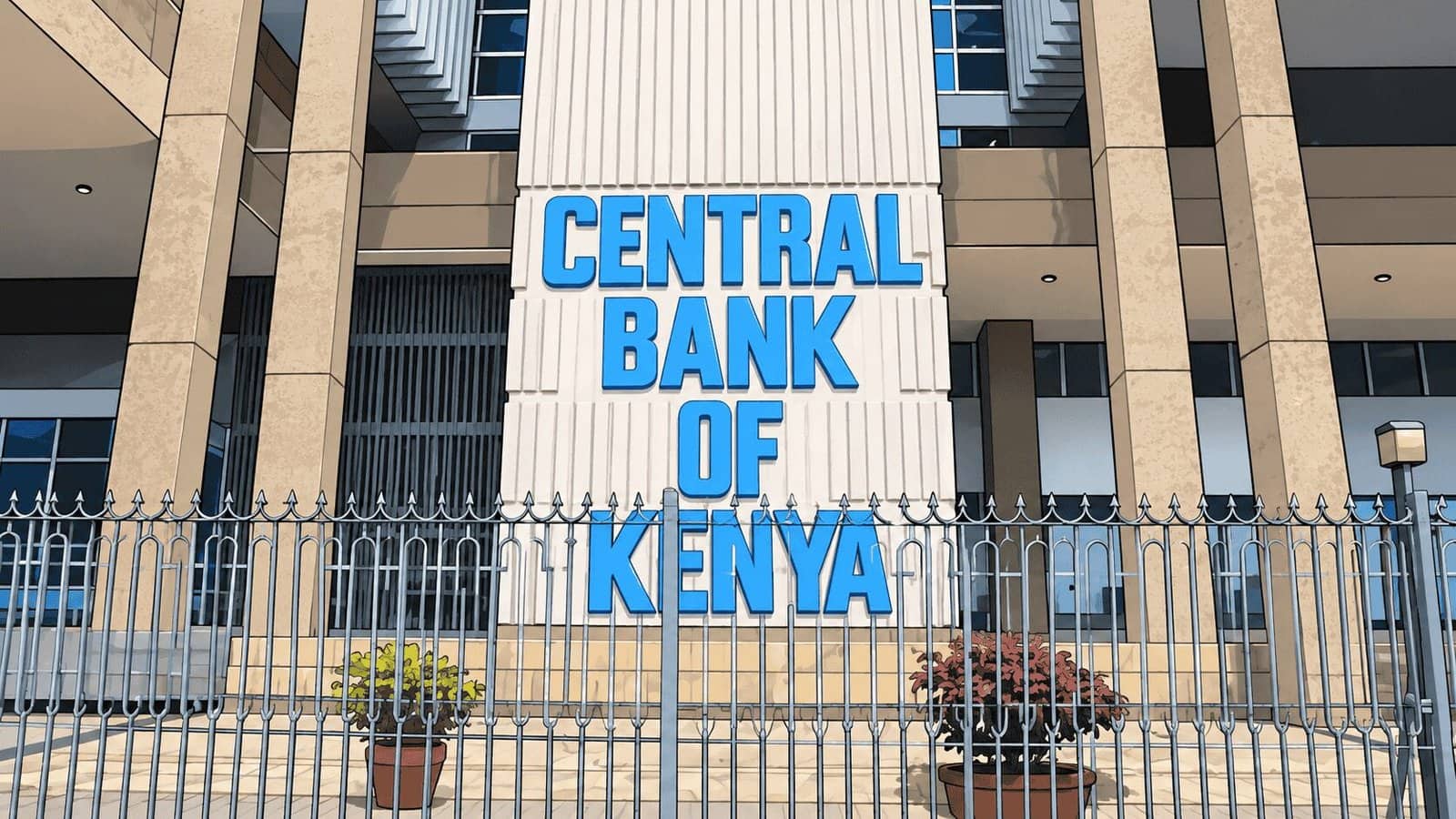

If you bank with any of Nigeria’s major financial institutions, the company behind your account likely owns a fintech, an insurance arm, or a microfinance subsidiary. That web of affiliates is about to face a level of regulatory scrutiny it has never encountered.
The Central Bank of Nigeria released a draft framework on June 10, 2026, that would force affiliated financial entities to operate as fully independent businesses. The proposal covers everything from how boards are composed to whether your bank can share your data with a sister company.
Stakeholders, including banks, fintechs, payment service providers, and the general public, have until July 9, 2026, to submit their comments before the rules become final.
CBN’s ring-fencing plan bans affiliate lending without prior approval
The most consequential provision in the draft is a ban on inter-affiliate lending and guarantees without the CBN’s written permission. No closely linked entity may extend a loan to or guarantee the obligations of another entity in its group, the CBN’s exposure draft stated.
The guidelines also require each regulated institution to meet capital adequacy and liquidity requirements on a standalone basis, regardless of resources available elsewhere. Any intra-group liquidity support would require prior CBN approval, removing the informal safety nets that exist between parent companies and subsidiaries.
Dr. Rita I. Sike, Director of the CBN’s Financial Policy and Regulation Department, signed the circular that accompanied the exposure draft. The regulator warned that violations could trigger penalties, management replacement, or license revocation under the Banks and Other Financial Institutions Act 2020, Premium Times reported.

How Nigeria’s banking groups grew into the structure the CBN now targets
The current landscape traces back to 2011, when the CBN introduced the holding company model to let banks retain non-core financial businesses. Groups like FBN Holdings, Stanbic IBTC, and FCMB Group became early adopters, followed by Guaranty Trust and Access Bank in subsequent years.
The CBN first issued holding company guidelines in August 2014 to govern how these groups operated. After more than a decade under that framework, the regulator identified gaps including uneven compliance, inflated overhead costs, and governance practices that drifted from the original design, Nairametrics noted. The new ring-fencing draft builds on those findings by targeting operational boundaries between affiliated entities specifically.
“The recapitalisation programme has strengthened the capital base of Nigerian banks, reinforcing the resilience of the financial system and ensuring it is well-positioned to support economic growth and withstand domestic and external shocks.” — Olayemi Cardoso, CBN Governor
Proposed governance restrictions cap shared directors at 20%
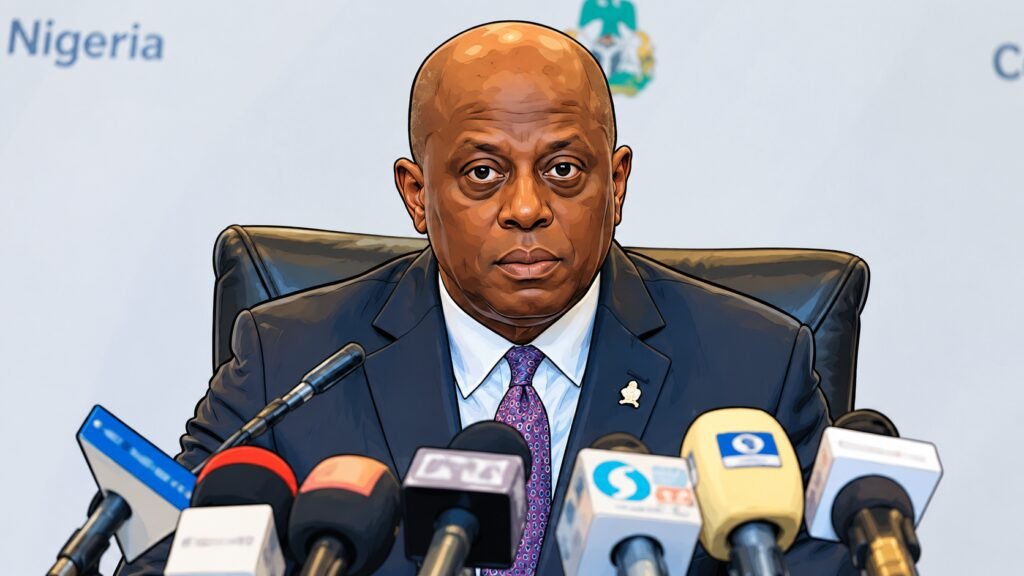
One of the sharpest provisions targets boardroom overlap across financial groups. Directors serving simultaneously on the boards of closely linked entities would be capped at 20% of any single board’s total membership, Economic Confidential reported. The CBN is also proposing that no employee of one entity can serve concurrently in another closely linked entity.
The draft further requires that all intra-group transactions occur at arm’s-length terms, be fully documented, and be reported to the CBN on a quarterly basis. Boards would need to adopt formal ring-fencing policies to ensure compliance across their organizations.
Technology separation and customer data rules add new compliance layers
The proposal extends into technology infrastructure, where affiliated entities frequently share platforms and systems. Under the draft, each entity must maintain independent critical functions and cannot use its IT applications to offer services outside its license, ThisDay reported. The CBN also reserved the right to compel physical separation of data centers where shared infrastructure could spread risk.

For customers, the rules introduce a clear consent requirement. When a financial institution wants to onboard a customer onto a product offered by a related entity, it must obtain express consent and clearly disclose which entity is providing the service.
Key provisions in the CBN’s ring-fencing exposure draft
- Affiliate lending ban: No entity may extend loans or guarantees to another without prior CBN approval.
- Board overlap cap: Shared directors limited to 20% of any single board.
- Standalone capital: Each entity must independently meet capital adequacy and liquidity requirements.
- IT independence: Entities cannot use technology platforms to offer services outside their licensed scope.
- Customer consent: Express consent required before migrating customers between affiliates.
- Recovery plans: Each entity must maintain a recovery and resolution plan for periods of severe financial stress.
- Enforcement: Violations may result in penalties, management replacement, or license revocation.
Ring-fencing rules could reshape how financial groups fund subsidiaries
These proposals arrive as the CBN wraps up a major recapitalization exercise in which banks raised N4.65 trillion in fresh capital over two years. Governor Cardoso has framed the ring-fencing guidelines as an extension of that effort to build long-term resilience, Nairametrics reported.
Whether these rules survive the consultation process unchanged remains to be seen, but the direction is unmistakable. The CBN wants every entity inside a financial group to prove it can stand on its own.