
Investors holding shares in Nigerian banking groups have weathered a punishing regulatory cycle, and a fresh proposal from Abuja could trigger another costly rethink.
The Central Bank of Nigeria has issued an exposure draft that rewrites the playbook for financial holding companies operating across the country today.
The document quietly closes loopholes that let parent firms direct credit decisions, share staff, and pool capital across their bank subsidiaries for years.
Buried inside the 2026 draft are provisions that could reshape how groups such as Access Holdings, GTCO, and First Holdco run their banks.
The proposals also land on top of recapitalization demands that already pushed banks to raise substantial new capital from public and private investors.
CBN draft pulls holdcos out of the credit room
The exposure draft, dated June 10, 2026, blocks holdcos from sitting inside the credit administration and approval processes of any banking subsidiary.
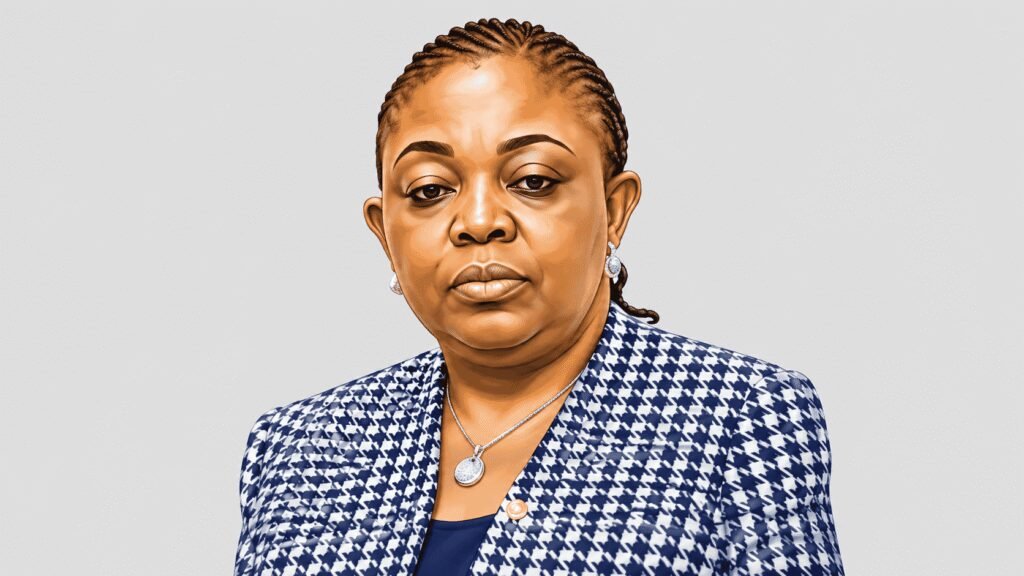
Signed by Dr. Rita Sike, director of the financial policy and regulation department, the draft opens a public comment window that closes July 9, 2026.
Loans extended by a banking subsidiary to its parent holdco will now count as a return of capital under the new framework.
That deduction would shrink the bank’s capital adequacy ratio, an outcome that could squeeze lenders already operating close to regulatory minimums after the recapitalization exercise.
The CBN said the revisions address gaps in compliance, overhead inflation, and governance practices never originally intended when banking groups restructured under the 2014 framework, Nairametrics reported.
51% ownership rule and 20% capital buffer reshape holdco structures
A second pillar of the draft requires every holdco to hold a minimum 51% equity stake in each of its regulated subsidiaries going forward.
The framework also forces a holdco to maintain regulatory capital exceeding the combined minimum capital of its subsidiaries by at least 20%, the document explained.
Only paid-in capital from issued shares and share premium will count toward the buffer, ruling out reserves and retained earnings under the new threshold.
Each subsidiary’s capitalization is now assessed independently, forcing every holdco to maintain its own buffer over and above what sits inside subsidiaries.
The tightening lands on banks already stretching to meet a separate recapitalization deadline that lifted minimum capital thresholds across every tier of operating license.
Foreign subsidiaries and the new holdco ownership chain for Nigerian banks
The draft also reshapes where foreign subsidiaries sit within a banking group, forcing the holdco itself to directly hold any offshore banking operations going forward.
Only two layers of ownership are permitted under the proposed rules, with anything beyond a parent holdco and one intermediate vehicle requiring exceptional regulatory approval.
That restructuring hits groups carrying significant pan-African footprints, including Access Holdings, which may need to review its offshore ownership chains for full compliance.

A separate provision bars cross-attendance at board meetings between a holdco and its subsidiaries, closing informal channels that quietly shaped credit decisions before.
Risk management, compliance, and internal audit functions must now live inside each subsidiary, independently staffed and independently governed under the new framework.
Analysts read the holdco overhaul as a governance reset for Nigerian banking
Nairametrics described the draft as a direct response to governance practices that drifted from what regulators originally intended when the 2014 holdco framework launched.
Jimi Ogbobine, head of consulting at Agusto Consulting Limited, said the changes appear designed to strengthen governance and reduce risks borne by Nigerian banking subsidiaries, Arise News reported.

The draft prohibits any insider-related borrowings inside a holdco group, removing a long-standing soft spot that supervisory examiners had flagged in past banking reviews.
Every holdco must commission a biennial value-for-money audit on shared services, filing the resulting report with the CBN by March 31 of the following year.
The framework signals a deeper supervisory pivot toward ring-fencing depositor funds inside the regulated bank, away from informal influence flowing from the parent.
What the holdco rules mean for Nigerian bank investors and shareholders
Shareholders in major banking groups face the prospect of fresh capital raises if the rules pass in their current form during the public consultation period ahead.
Affected holdcos may need to launch rights issues or private placements within 12 to 24 months to close capital gaps, Nairametrics projected.
Holdco share prices already wobbled through 2025, with First Holdco’s profit after tax sliding 78% to N147.25 billion that year, ThisDay reported.
The CBN is also tightening intra-group lending and pushing each subsidiary to staff its own compliance, risk, and audit teams without leaning on the parent.
Stakeholders have until July 9 to file comments on the exposure draft, after which the CBN will finalize the revised holdco framework.