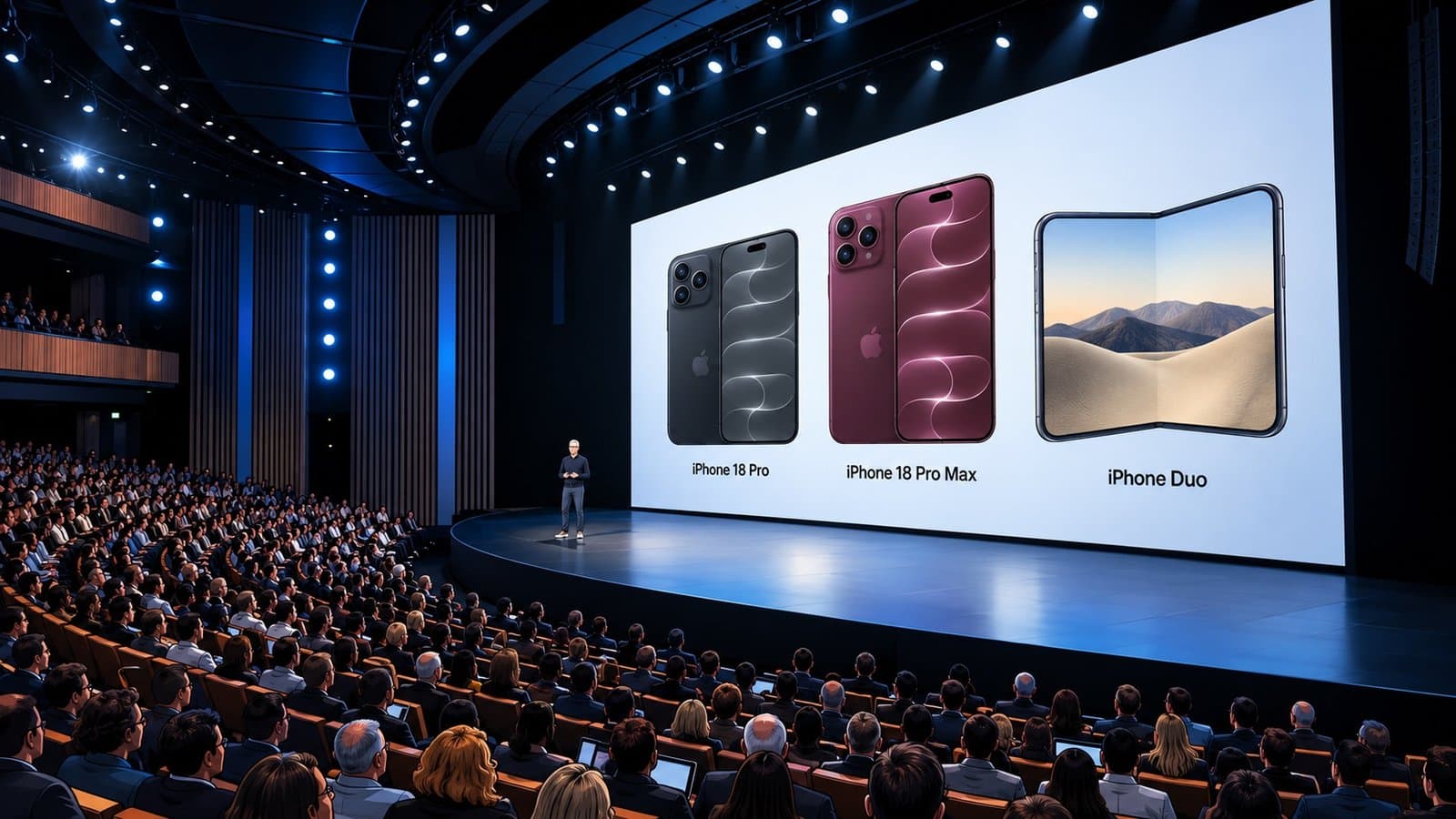

Apple introduced its 2026 iPhone lineup on September 9 and opened the keynote with Apple Intelligence rather than hardware.
The iPhone 18 Pro starts at $1,199 and the Pro Max at $1,299, with preorders on September 12 and availability September 18, according to Apple.
The first foldable, iPhone Duo, starts at $1,999, with preorders on October 16 and availability October 23, according to Apple.
The rebuilt assistant, Siri AI, arrives in beta with iOS 27 on September 14, according to Apple.
John Ternus became chief executive on September 1. Forbes estimated Apple’s 2025 AI capital expenditure at about $12 billion, far below rivals including Google, Amazon and Meta. Apple does not disclose an AI figure separately.
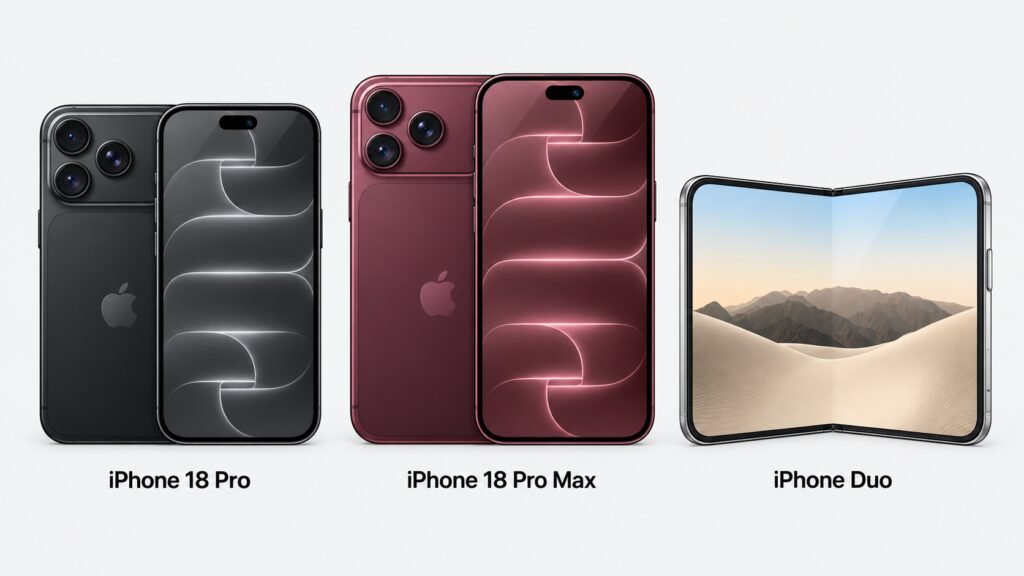
Apple built the hardware pitch around intelligence
The Pro models run the A20 Pro, Apple’s first 2-nanometer iPhone chip, which accelerates more advanced on-device AI workloads.
Siri AI is not limited to it. Apple supports the assistant on iPhone 15 Pro and all iPhone 16 models or later and routes heavier requests to Private Cloud Compute.
Apple said Siri AI works across more than 300,000 apps, including third-party ones, CNBC reported from the keynote.
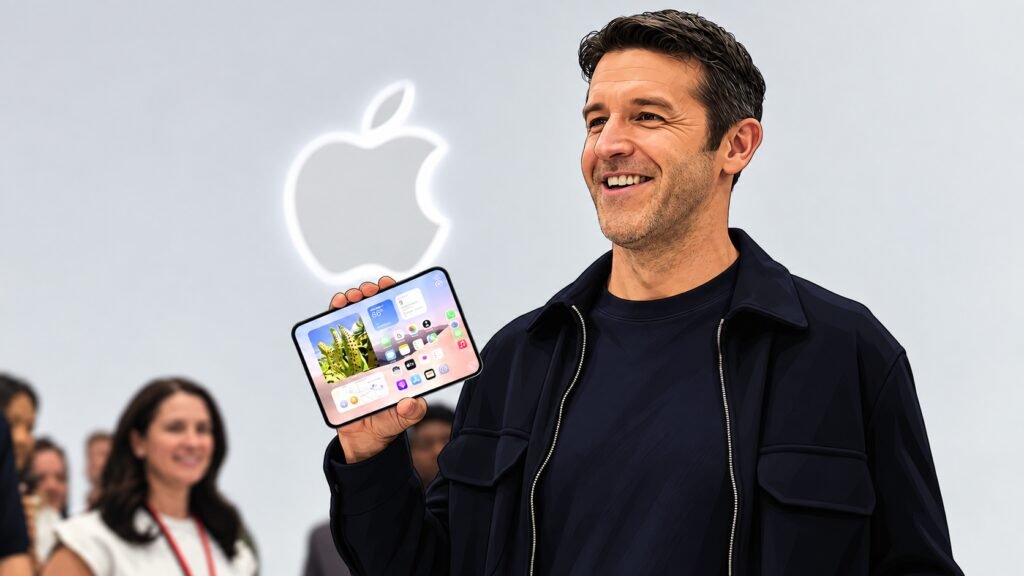
“We made massive advancements in the most important areas: intelligence, performance, battery, and camera.” — John Ternus, CEO, Apple, speaking at the Surprise and Shine keynote, via CNBC
Key Apple Intelligence figures from the September event
- Siri AI beta ships with iOS 27 on September 14 (Apple)
- Apple Intelligence supports 16 languages; Siri AI launches in English only (Apple)
- Siri AI works across more than 300,000 apps (Apple)
- Apple Watch now measures heart rate every 5 seconds and HRV every 5 minutes, described as 24x more frequent (Apple)
- Lab panels of 50+ biomarkers sold at $119 through the Health app at about 2,000 Quest Diagnostics locations (Apple)
- Live Rewind and Siri Recap arrive in beta in late 2026, in English, and not initially in the EU (Apple)
What Siri AI does when it ships
Siri AI draws on personal context across messages, email and photos, answers questions about what is on screen, and pulls live information from the web, according to Apple.
It can take actions inside apps, generate and refine drafts, and match the tone a user typically takes with each recipient.
A dedicated Siri app syncs conversation history across devices through iCloud. Visual Intelligence extends to iPad screenshots, a Mac keyboard shortcut and Vision Pro.
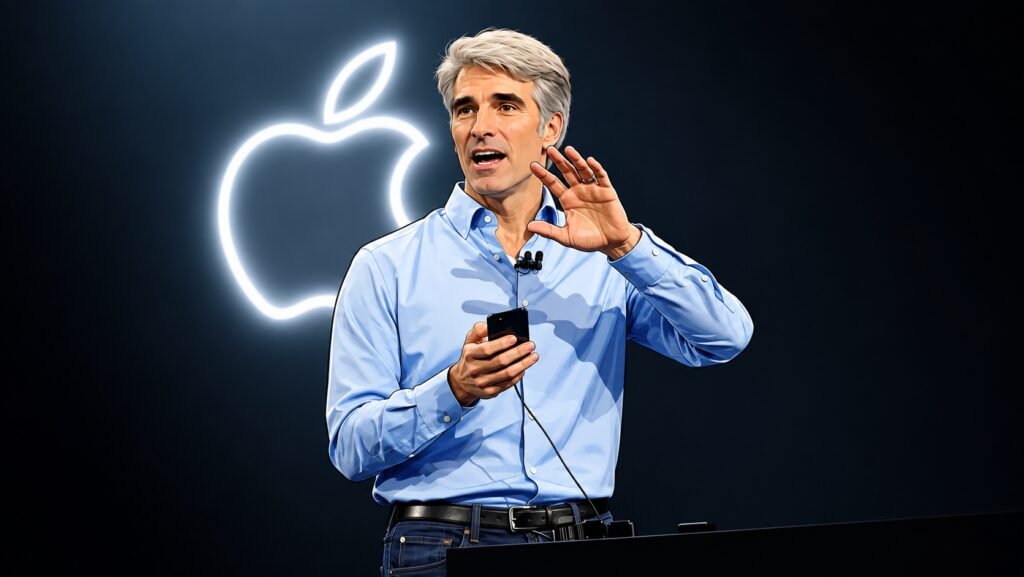
“Siri AI can help users take action across apps more naturally than ever.” — Craig Federighi, senior vice president of Software Engineering, Apple, via Apple
Live Rewind and Siri Recap arrive later
Audio Intelligence, introduced during the Apple Watch segment, is not in the September 14 release.
Live Rewind shows the previous 15 seconds of conversation as text after a double press of the Digital Crown. Siri Recap generates a title and key points in the Siri app, according to Apple.
Apple says the features create no audio recordings and that the S11 chip processes audio in an isolated compartment called Secure Exclave before deleting it.
They also do not identify speakers, Siri Recap is designed to exclude financial information and government identifiers, and Live Rewind sounds an audible chime even on silent.
Both arrive in beta in late 2026, in English, and not initially in the EU.
Apple says its foundation models are built with Google
Apple Intelligence runs on Apple Foundation Models custom-built in collaboration with Google and its Gemini models, according to Apple.
Apple disclosed that in June rather than at the September event, and it sits underneath the assistant Apple markets on privacy and on-device processing.
Apple Intelligence moved into health and into diagnostics
The redesigned Health app runs on Apple Intelligence, with a Longevity tab and a Health Age measure that can incorporate A1c and LDL results.
Movement Evaluations use vision AI models and the iPhone camera to assess flexibility, strength and balance entirely on device, with no video recorded or stored.
Cycle Tracking adds support for perimenopause and menopause. Users aged 40 and over can receive a notification if their logged cycle patterns suggest perimenopause, according to Apple.
Apple will also let users schedule and buy Quest Diagnostics lab panels through the app, adding paid laboratory services without making Apple the testing provider.
EU iPhone users and China miss the initial rollout
Siri AI will not be available initially in the EU on iOS, iPadOS or watchOS. Only Mac and Vision Pro users there can access it, according to Apple.
Features that rely on Siri AI are also withheld there, according to Apple. It is not available in China while Apple works through regulatory requirements.
That carves the centerpiece of Apple’s AI strategy out of two of its largest markets at launch.
Apple says expanded server-side AI access will carry a fee
Apple’s September releases state that server-side features including Siri AI, Live Rewind and Siri Recap carry daily usage limits, and that expanded access will be available for a fee in the future, according to Apple.
That language is new. In June, Apple said increased access came with most iCloud+ subscription plans, which start at $0.99 a month, according to Apple.
Apple has not said what the fee will be, when it arrives, or how it relates to iCloud+. Siri AI is now named on the metered list.
What the Siri AI rollout means for Apple users and investors
Siri AI arrives on September 14 in English, in beta, without Live Rewind and Siri Recap, and without availability on iPhone, iPad or Apple Watch in the EU. Apple previously bundled increased access with most iCloud+ plans and now says expanded access will carry a fee, without explaining how the two relate. It has also confirmed that the models underneath run on work co-built with Google.
Two things to track: when Audio Intelligence reaches beta and whether Apple prices Apple Intelligence before its expected October 29 results.