
Apple Pay is officially live in the world’s most populous country, but the rollout tells a smaller story than the headline suggests. The service launched with just one banking partner, limited to credit card holders on two networks, in a market where a government-backed payments system already handles most transactions.
For investors watching a stock that already trades 14.7% above its estimated fair value, the question is whether this careful first step can grow fast enough to justify the premium you are paying for Apple shares today.
Apple Pay launches in India through a single Axis Bank deal
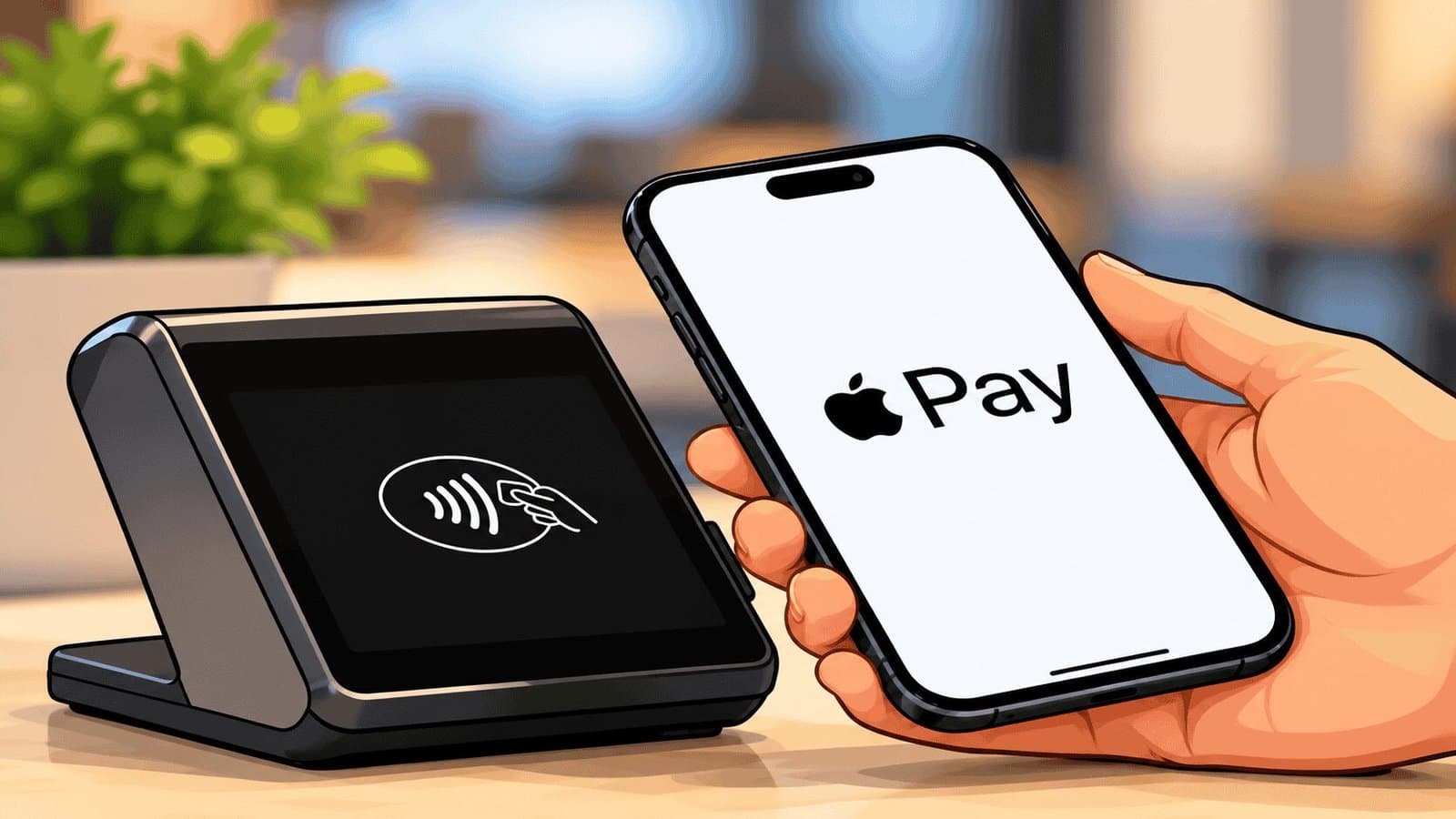
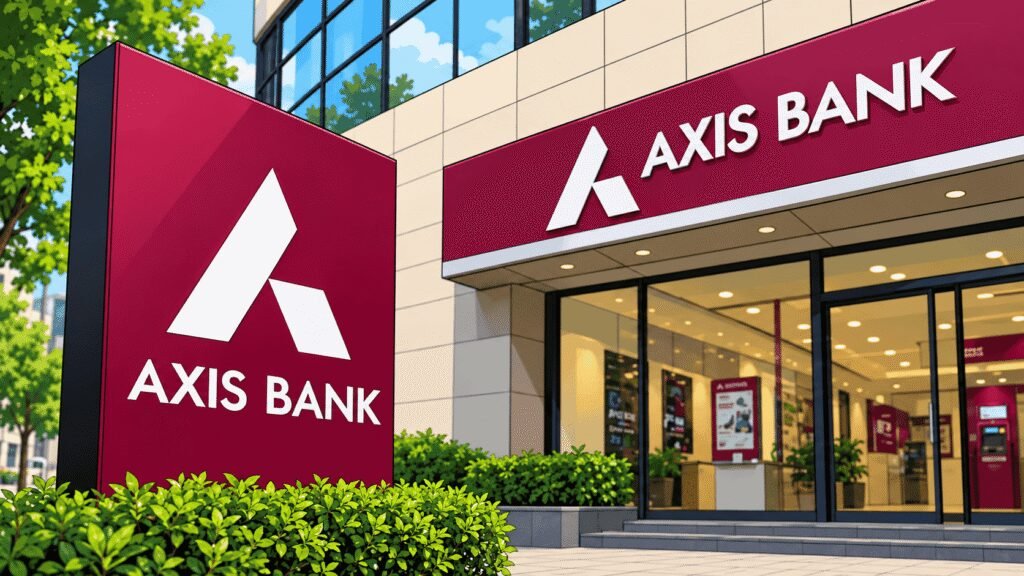
Apple rolled out Apple Pay in India on September 30, 2026, with Axis Bank as its only partner at launch. Eligible customers holding Visa and Mastercard credit cards can add them to the Wallet app on iPhone, iPad, or Apple Watch for contactless Near-Field Communication (NFC) payments and online purchases, TechCrunch reported.
More Apple coverage:
The rollout does not include India’s dominant Unified Payments Interface (UPI) system, which handles roughly 84% of digital payment volume and serves over 550 million users, Insider Monkey reported, citing industry data.
Three major card issuers, HDFC Bank, ICICI Bank, and SBI Card, are also absent after commercial negotiations stalled, TechCrunch noted. Apple is seeking a fee of about 20 basis points per transaction, a sizable cut from the 40-to-50-basis-point margin in the payments layer.
Tarun Pathak, Research Director at Counterpoint Research, described the move as an ecosystem play rather than a payments grab.

“The Apple Pay launch strengthens Apple’s ecosystem in India and adds a services layer in what is now its third-largest iPhone market globally by volume,” Pathak said. He also noted that “UPI will continue to dominate everyday payments in India.”
Apple’s growing India footprint and its $120 billion services engine
India has quickly become one of Apple’s fastest-growing markets globally, and the numbers explain why payments matter here.
Apple shipped 3.45 million iPhones to India in the second quarter of 2026, ranking it among the company’s top four markets by volume, according to Omdia via TipRanks, while Counterpoint Research places India third. The same report indicated that annual sales in the country reportedly crossed $10 billion last year.
Apple Pay fits into a broader services strategy that now generates more profit per dollar than any hardware line. Services revenue reached $30.74 billion in the June 2026 quarter, roughly 28% of total revenue of $109.4 billion, per Apple’s fiscal third-quarter earnings.
That segment’s gross margin tops 75%, more than double hardware’s, making every new Apple Pay market a high-margin opportunity.
The pricing power behind those margins reflects a broader pattern across tech services, one FinanceTracked examined in its look at the widening AI model pricing gap.
The structural challenge, however, is enormous. UPI processed 24.51 billion transactions worth Rs 29.82 lakh crore (approximately $358 billion) in August 2026 alone, the National Payments Corporation of India (NPCI) confirmed, as Business Today reported.
Apple Pay’s credit-card-only model targets a narrow slice of that ecosystem, limited to premium consumers who own Apple devices and hold eligible Axis Bank cards.
AAPL stock’s valuation and insider activity signal caution
Apple’s stock closed at $329.40, placing its market capitalization at $4.81 trillion and its trailing price-to-earnings (P/E) ratio at 37.76 times.
That figure sits well above the five-year median of 30.96 times and 14.7% above the estimated intrinsic value of $287.27, based on GuruFocus’ GF Value metric.
Insider activity reinforces the cautious tone. GuruFocus data showed that company executives sold $173.9 million worth of shares over the past 12 months, with zero insider purchases during the same period.
FinanceTracked’s broader Apple stock analysis highlighted the same tension between the company’s quality metrics and stretched pricing that this insider pattern confirms.
Key Apple valuation metrics at a glance
- GF Score: 96 out of 100, reflecting top-tier profitability, growth, and momentum, per GuruFocus
- Trailing P/E ratio: 37.76 times versus a five-year median of 30.96 times, per GuruFocus
- Financial strength score: 5 out of 10, indicating moderate balance sheet positioning, per GuruFocus
- Insider selling over 12 months: $173.9 million with no insider purchases, per GuruFocus
- Wall Street consensus: Moderate Buy from 30 analysts, average price target of $335.11, per TipRanks
Apple’s measured India entry points to a longer runway ahead
Apple’s decision to launch with a single bank and without UPI mirrors the phased expansion strategy it has used in other international markets.
The approach keeps initial costs low while Apple tests demand and merchant acceptance before scaling with additional partners.
The real catalyst would be UPI integration, which would unlock the payment rail behind most of India’s digital transactions.
Apple’s product roadmap, including a foldable iPhone unveiled at its latest annual event, could provide additional hardware tailwinds in India as more consumers enter Apple’s ecosystem in the coming quarters.
For investors, this launch is best understood as an ecosystem-retention initiative rather than a near-term revenue catalyst.
It strengthens the case for owning Apple hardware in India and deepens the services moat, but the stock’s current premium leaves limited room for that thesis to disappoint.