
For three years, the Nigerian Exchange (NGX) sat outside one of the world’s most tracked equity benchmarks. Global passive funds that follow FTSE Russell’s Frontier Market indices could not hold a single Nigerian stock, and every rebalancing cycle passed without Lagos on the list.
That chapter closed on August 27, 2026, when FTSE Russell’s Index Governance Board confirmed Nigeria’s reclassification from Unclassified to Frontier Market status, effective from the open of trading on September 21, 2026.
You might be wondering which stocks stand to benefit and how much foreign money could flow into the market. The answers depend on a settlement cycle reform that nearly torpedoed the entire process and on a handful of blue-chip names now sitting inside a closely watched global index.
FTSE Russell confirms NGX reclassification after T+1 settlement review
The reclassification resolves a standoff that began in June 2026, when FTSE Russell paused the planned upgrade after Nigeria’s equity market shifted from a two-day to a one-day settlement cycle on June 1. International market participants raised concerns that the shorter cycle could force foreign investors to deposit cash before executing trades, a structure FTSE Russell views negatively under its Quality of Markets criteria, the index provider noted in its market notice.
More NGX stories:
- Aradel dominates NGX value chart in a ₦575bn session
- NGX adds ₦3.72 trillion as ₦160 trillion mark beckons
FTSE Russell’s advisory committee engaged Nigerian regulators and global custodians before concluding that no material settlement, operational, or funding issues had surfaced since the T+1 transition. The Securities and Exchange Commission (SEC) also confirmed that foreign portfolio investors are not required to pre-fund equity transactions under the new framework, The Rio Times reported.
FTSE Russell’s September 2026 Frontier Index review files added 31 Nigerian companies across large-cap, mid-cap, and small-cap tiers, Nairametrics reported. Ten large-cap names lead the list, including Dangote Cement, First HoldCo, GTCO, MTN Nigeria, Zenith Bank, and Aradel Holdings. Six of those also entered the more selective FTSE Frontier 50 Index, The Guardian Nigeria reported.
Nigeria’s 2023 downgrade and the long road back to FTSE frontier status
Nigeria lost its Frontier Market classification in September 2023, when FTSE Russell downgraded the country to Unclassified status over severe foreign exchange problems. International institutional investors faced prolonged delays accessing foreign currency to repatriate proceeds, and Nigerian stocks were deleted from the indices at zero value.
The turnaround began in October 2025, when FTSE Russell placed Nigeria on its Watch List after noting improvements in FX liquidity and capital repatriation. By April 2026, the index provider approved the upgrade for September 21, then paused it when the T+1 settlement shift raised new questions.
NGX Group played a direct role in resolving the standoff. In July 2026, an NGX Group delegation engaged FTSE Russell, global custodians, and international investors to present evidence on how the T+1 cycle was operating in practice, the exchange confirmed in a statement covered by Nairametrics.
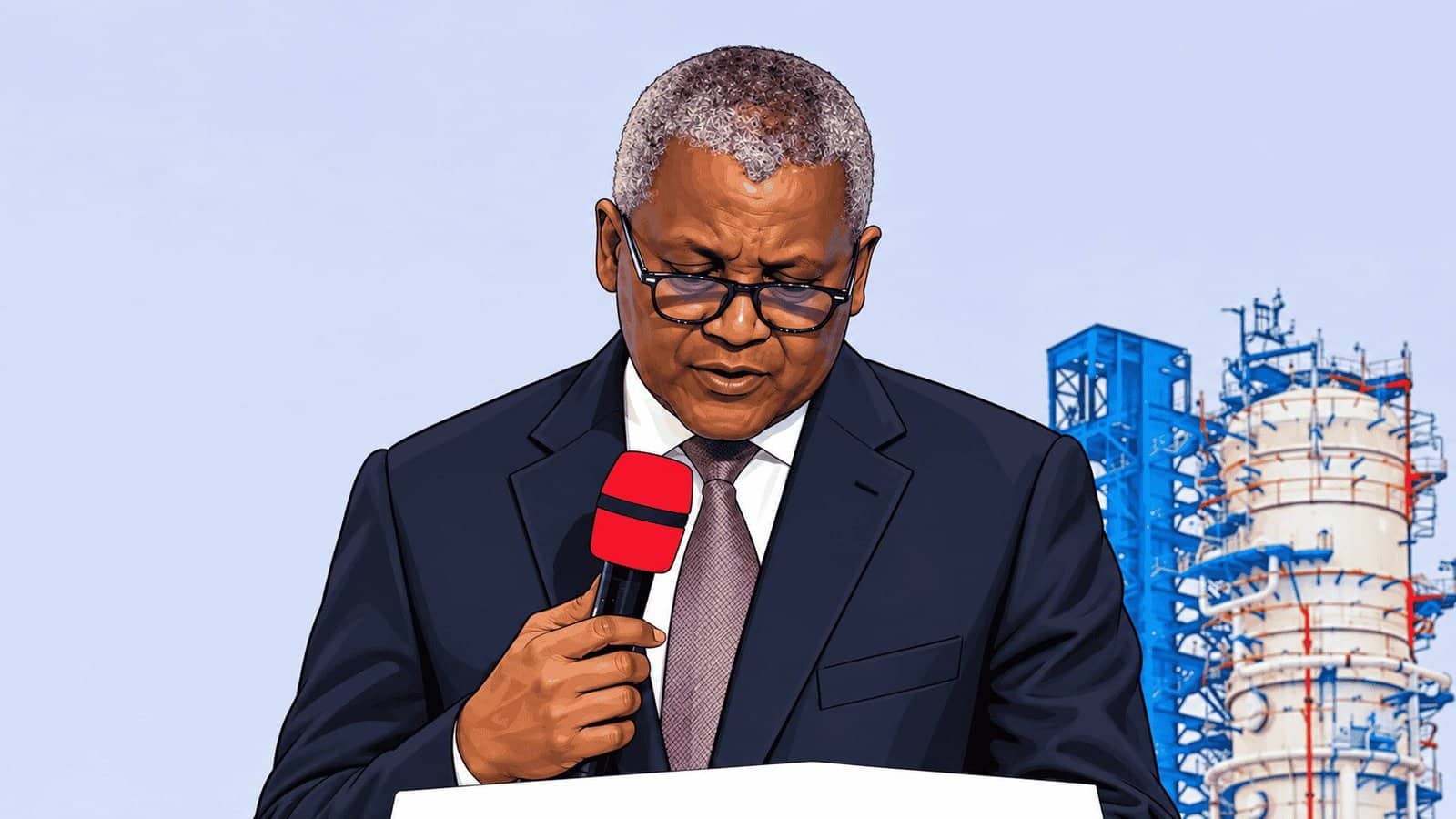
Temi Popoola, Group Managing Director and Chief Executive Officer of NGX Group, framed the reclassification as an opening, not a finish line.

“The real significance of returning to Frontier Market status is the opportunity it creates for the next phase of our market’s development,” Popoola said in a statement. “We have to turn greater international visibility into broader participation, deeper liquidity and more capital for Nigerian businesses.”
Cordros Research projects up to $1.04 billion in passive inflows for NGX
Neither FTSE Russell nor NGX Group has published an official capital estimate. Analysts at Cordros Research have projected between $840 million and $1.04 billion in passive inflows driven by benchmark rebalancing among international funds, the firm stated in its research note covered by Leadership.
The projection lands alongside improving FX dynamics. Total inflows into Nigeria’s Foreign Exchange Market surged to a 16-month high of $6.68 billion in August 2026, with foreign inflows jumping 97% month-over-month to $3.68 billion, Leadership reported.

Dr. Fiona Ahimie, president of the Chartered Institute of Stockbrokers (CIS), offered a more measured take. She described the FTSE decision as a catalyst rather than a cure-all and cautioned against overstating its immediate effect, The Rio Times reported. Index inclusion does not compel funds to buy immediately; managers must first assess Nigeria’s actual weighting and rebalance accordingly.
S&P Dow Jones has Nigeria on its own watch list for 2027
FTSE Russell’s upgrade is not the only global index action involving Nigeria. S&P Dow Jones Indices placed the country on its own watch list in July 2026 as part of its 2027 annual review. A positive decision would open Nigerian equities to an entirely separate pool of passive capital tied to S&P benchmarks.
Finance Minister Taiwo Oyedele said the government’s medium-term ambition extends beyond frontier status, targeting an eventual move to Emerging Market classification by deepening liquidity and strengthening investor protections, Economic Confidential reported.
Key milestones in Nigeria’s FTSE Russell reclassification
- September 2023: FTSE Russell downgrades Nigeria to Unclassified, deleting stocks at zero value (FTSE Russell)
- October 2025: FTSE Russell places Nigeria on its Watch List after FX improvements (Nairametrics)
- April 2026: FTSE Russell approves the upgrade with a September 21, 2026, effective date (FTSE Russell)
- June 1, 2026: Nigeria’s equity market transitions from T+2 to T+1 settlement (Nairametrics)
- August 27, 2026: FTSE Russell confirms the reclassification will proceed (FTSE Russell market notice)
- September 21, 2026: Reclassification takes effect at market open (FTSE Russell)
The reclassification arrives as the NGX All-Share Index delivers a year-to-date return above 58% as of early September 2026. Whether the FTSE Russell stamp translates into sustained foreign participation depends on how well Nigeria’s FX stability and settlement infrastructure hold up under global expectations.