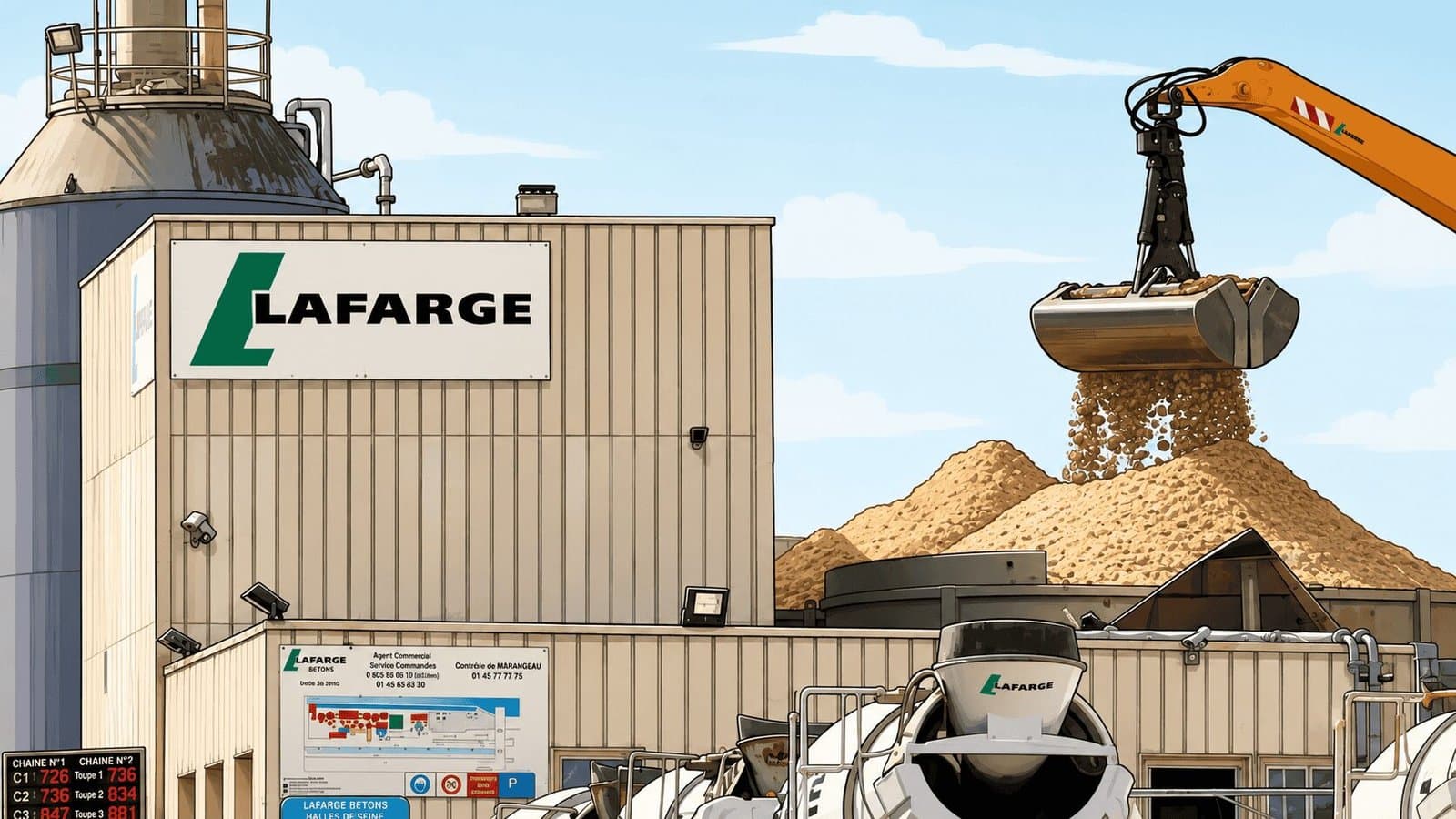

A $1 billion deal that reshaped Nigeria’s cement industry just received legislative approval, nearly 12 months after the transaction closed.
The Nigerian Senate voted on July 9 to endorse the acquisition of Lafarge Africa Plc by Hainan Huaxin Pan-African Investment Company Plc. The approval followed a contentious review by an ad hoc committee that spent months examining the sale’s legality and security implications.
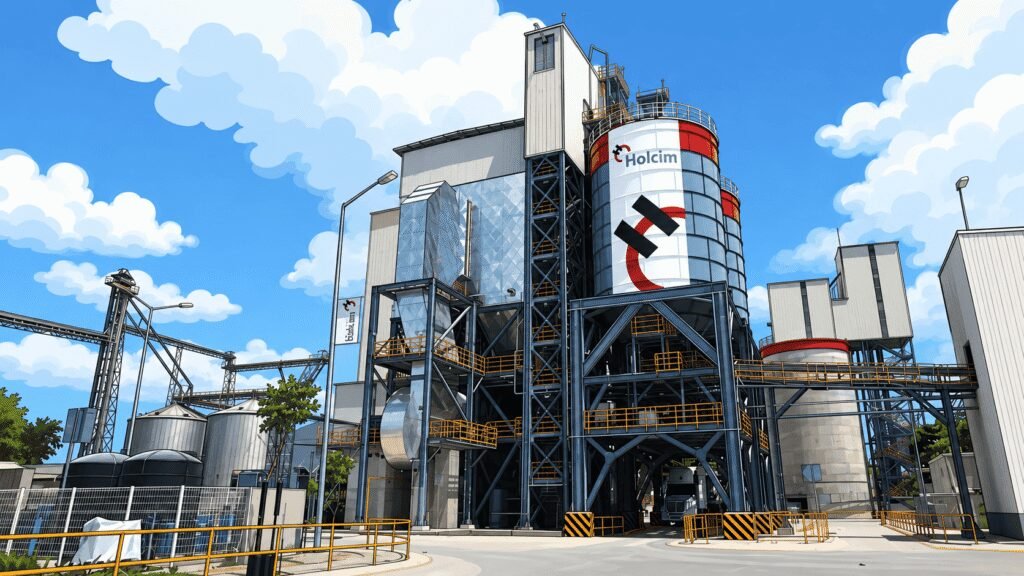
Yet Holcim, the Swiss building materials giant, confirmed it completed the divestment of its entire 83.81% shareholding on August 29, 2025. That timeline gap raises a pointed question: what does legislative backing mean when the deal is already done?
Nigeria’s Senate clears the Lafarge Africa acquisition with conditions
Senator Abba Moro, who chaired the ad hoc committee investigating the deal, told the chamber that the sale posed no immediate national security threat. He confirmed that Nigerian shareholders’ combined 16.19% equity stake in Lafarge Africa would remain fully intact under the new ownership structure.
The Senate directed the Securities and Exchange Commission, the Corporate Affairs Commission, and the FCCPC to maintain close regulatory oversight of the process. It also urged Huaxin to strengthen corporate social responsibility programs in communities where Lafarge operates across three Nigerian states.
“We are pleased to have found in Huaxin Cement a trusted buyer that is committed to further developing the business in Nigeria,” Martin Kriegner, Holcim’s Regional Head for Asia, Middle East, and Africa, stated in Holcim’s official release.

How a Chinese cement giant muscled into Dangote and BUA territory
Lafarge Africa is Nigeria’s third-largest cement producer, operating plants in Ogun, Gombe, and Cross River states with a combined installed capacity of 10.5 million tonnes per year. The company controls roughly 18% of the domestic cement market, making it a significant but distant third behind Dangote and BUA.
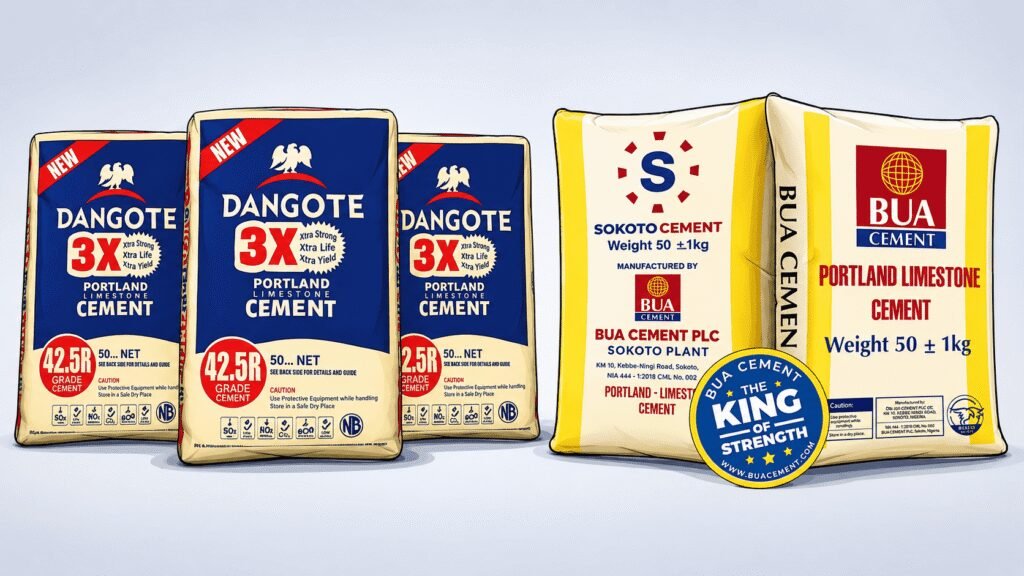
Huaxin’s entry replaces European ownership with Chinese capital in what had been a stable three-way competitive structure for years in the Nigerian cement sector. Dangote Cement commands roughly 60% of the market, with BUA Cement gaining ground rapidly as the sector’s fastest-growing producer.
“The Chinese acquisition deal could stir up more competition in the cement space with firms enticing customers with lower pricing and higher quality deals,” Bunmi Bailey, head of research at SBM Intelligence in Lagos, told The Africa Report.
Senators flagged a 66% ownership gap that remains unanswered
The final voice vote carried with a clear majority, but the Senate’s approval was not unanimous in spirit among the lawmakers present. Senator Abdul Ningi challenged the committee for failing to disclose the complete shareholding breakdown of Lafarge Africa.
“It is when you know who owns the rest that you’ll understand whether Nigerians are benefiting from these sales,” Ningi argued, according to BusinessDay. Ningi appeared to conflate Lafarge’s roughly 18% cement market share with a shareholding figure; Holcim’s 83.81% stake plus the 16.19% held by Nigerian public investors accounts for the full 100% of Lafarge Africa’s equity.
Senator Danjuma Goje raised separate concerns about Lafarge’s failure to meet corporate social responsibility commitments in Gombe State, urging stricter conditions on the new owners.
What Huaxin’s $1bn bet means for Dangote Cement and BUA Cement
“While Holcim was operationally efficient, they were not particularly interested in remaining in this market and were not gaining market share,” James Ola-Adisa, an industrial analyst at Chapel Hill Denham, told The Africa Report.
Key takeaways from the Lafarge Africa Senate approval
- Holcim sold its 83.81% stake in Lafarge Africa to Huaxin Cement for $1 billion, with the deal closing on August 29, 2025.
- The Nigerian Senate voted to approve the acquisition on July 9, 2026, nearly a year after Holcim confirmed the transaction was complete.
- Nigerian shareholders’ combined 16.19% equity in Lafarge Africa remains unchanged under the new Chinese ownership.
- Analysts expect Huaxin’s entry to intensify competition with Dangote Cement and BUA Cement on pricing and quality.
Nigeria’s cement market enters a new competitive chapter
Nigeria consumes roughly 30 million tonnes of cement annually, and demand is projected to grow as urbanization and infrastructure development accelerate across the country. Dangote Cement reported revenue of ₦1.19 trillion in Q1 2026, while BUA Cement posted the highest profit growth among the three producers at 117.2%, BusinessDay reported.
For investors holding Lafarge Africa shares on the Nigerian Exchange, the belated approval confirms what markets already knew: the ownership transfer is final. The real question is whether Huaxin’s capital injection will close the gap with Dangote and BUA in this increasingly competitive sector.