
West Africa has spent decades talking about economic integration without building the infrastructure to back it up.
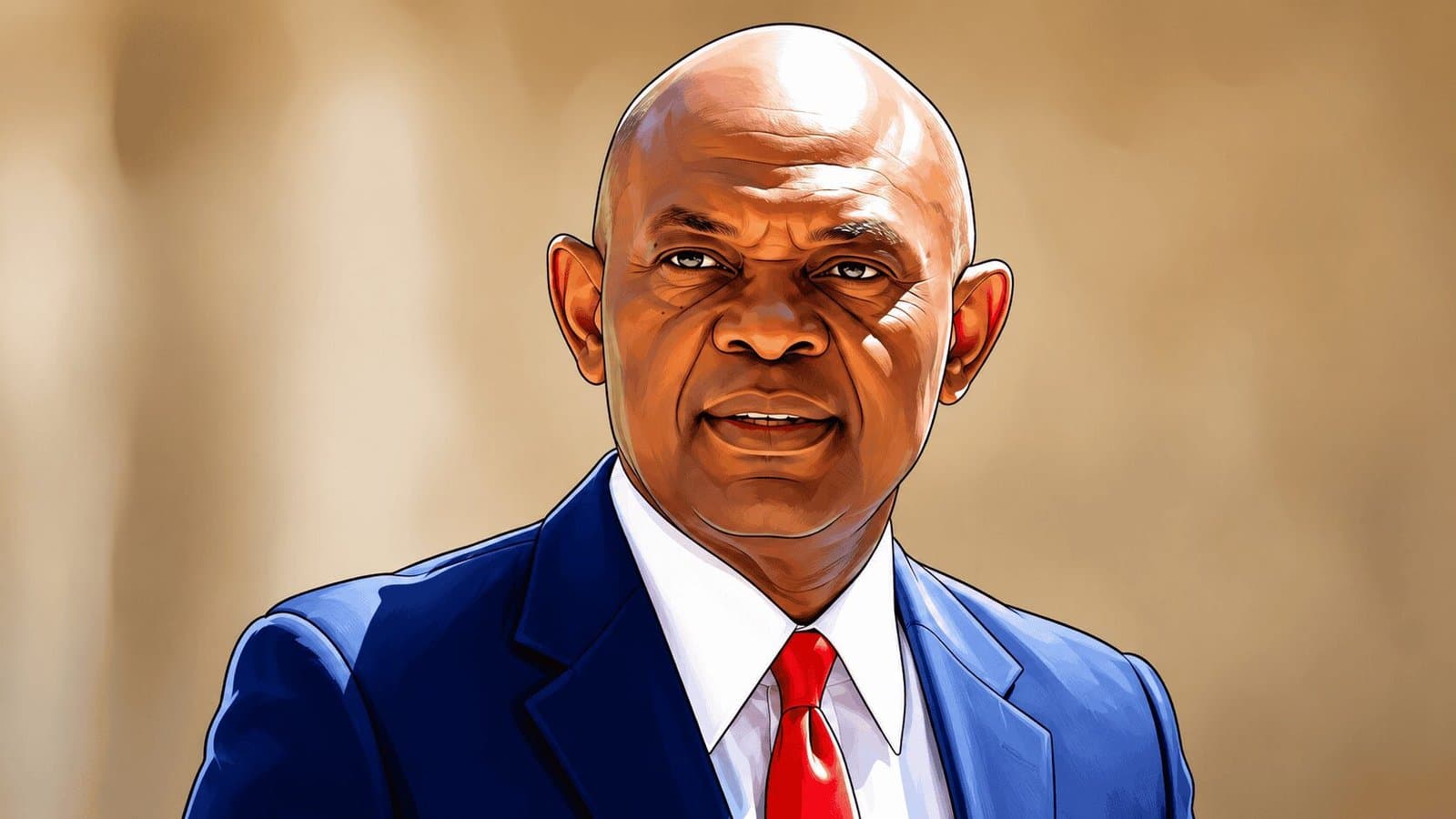
Tony Elumelu, chairman of Heirs Holdings and one of Nigeria’s most influential investors, is now trying to change that with a $15 billion investment pipeline aimed at the region’s most persistent gaps.
The initiative covers energy, agribusiness, digital transformation, and strategic minerals across more than ten countries, making it one of the region’s largest coordinated private-sector mobilizations.
Elumelu and Sierra Leone’s president target 26 projects worth $10 billion
Elumelu, who also co-chairs the West Africa Integration and Investment Summit (WAIIS), worked with a team to identify investment-ready projects to present to institutional lenders ahead of a November 16 to 18 gathering in Sierra Leone, Bloomberg reported.
More on West Africa’s capital markets:
- Dangote’s internal report maps the naira’s Q4 path
- NGX sheds ₦1.6trn as only one sector survives
- Cowrywise’s 1 million trades signal a new kind of investor
Summit organizers received 170 project submissions from across the region and narrowed the list to 26 opportunities valued at more than $10 billion, Kandeh Kolleh Yumkella, the WAIIS special envoy, confirmed in a statement.
Yumkella indicated that the portfolio could grow to $15 billion or more before the summit opens next month.
Funding priorities span five sectors: energy, trade and industrialization, strategic minerals, agribusiness, and digital transformation, Elumelu told Bloomberg.
United Bank for Africa (UBA), Afreximbank, Africa Finance Corporation (AFC), and Africa50 are among the institutions lined up to review the selected deals.
WAIIS builds on a 50-year integration gap West Africa has never closed
Sierra Leone President Julius Maada Bio, who initiated the summit, has framed WAIIS as a platform that could finally turn decades of rhetoric into funded projects.
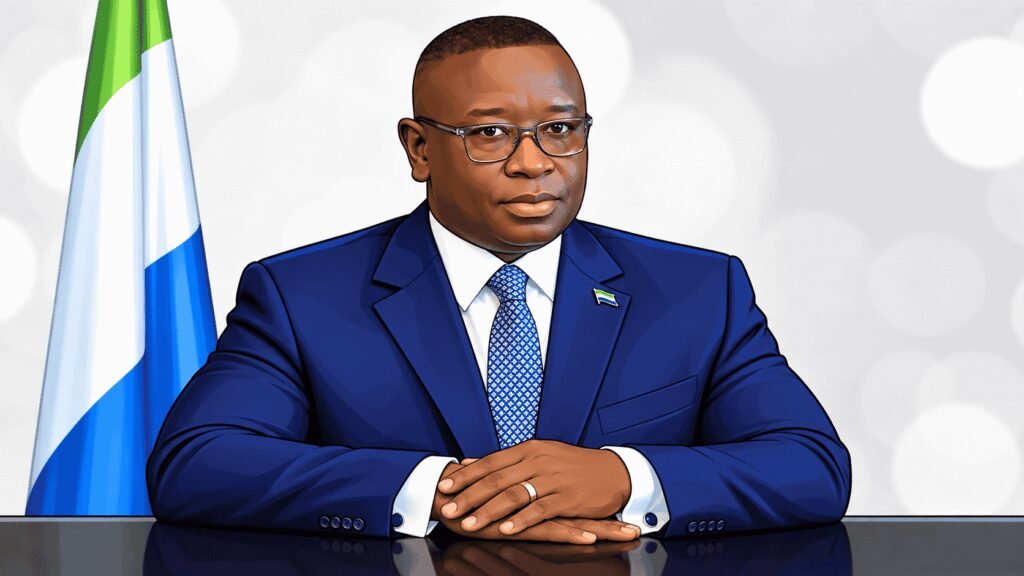
Bio acknowledged at a recent Lagos engagement that West Africa had discussed economic integration for roughly five decades without doing enough to consolidate its markets, ThisDay reported.
The advisory board reads like a roster of West Africa’s corporate establishment. Aliko Dangote, Abdul Samad Rabiu, Folorunso Alakija, Wale Tinubu, AFC, Afreximbank, Africa50, and the Central Bank of West African States (BCEAO) all hold seats, ThisDay confirmed.
Afreximbank’s director of regional operations for Anglophone Africa, Kudakwashe Matereke, noted that the bank is setting aside up to $5 million per transaction to support project preparation, the kind of early-stage backing that separates projects that stall from those that attract construction-phase capital, ThisDay reported.
Elumelu frames private capital as West Africa’s real engine of growth
Elumelu has been building toward this moment for years. His exit from UBA’s chairmanship in August freed him to focus entirely on Heirs Holdings and his broader continental ambitions, including an incoming chairmanship at Seplat Energy effective January 2027. The WAIIS co-chairmanship fits squarely into that trajectory.
At the 2026 Africa Forward Summit in Nairobi, Elumelu laid out the philosophy underpinning his push for private-sector-led development across the continent, delivering a blunt message about what the region actually needed.
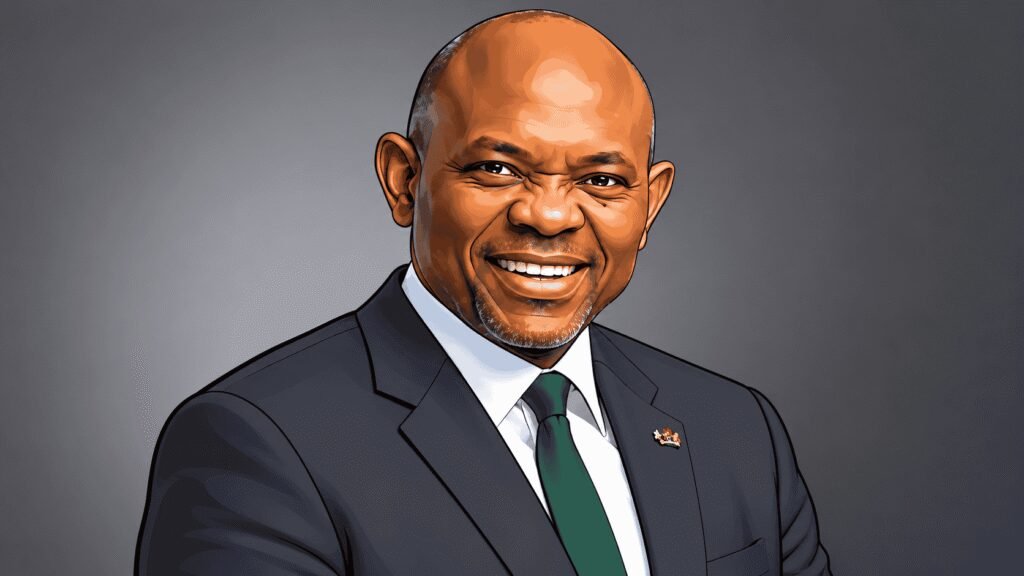
“The private sector is what will help us mobilise capital to drive investment in infrastructure, investment in electricity. In Africa, we have a young population. … What is important is providing this enablement, this infrastructure requirement, so that our young ones can realise their potential,” Elumelu stated at the summit, Arise TV reported.
That framing explains why WAIIS is designed as an investor-facing platform rather than another government-to-government forum, with organizers seeking commitments attached to specific projects and financing structures before the event concludes.
What the $15 billion target means for West Africa’s investment landscape
The scale of the WAIIS pipeline puts it alongside some of the region’s most ambitious infrastructure drives.
Closing West Africa’s infrastructure gap could boost annual gross domestic product (GDP) growth by 5.4 percentage points, according to the OECD’s Africa’s Development Dynamics 2025 report.
That potential return makes the case for mobilising private capital at this scale.
The Dangote Refinery IPO opened its $1.6 billion share sale in September after a $2.5 billion private placement that was 3.7 times oversubscribed, showing that African capital markets can absorb transactions of this magnitude.
If WAIIS channels similar appetite toward infrastructure, the region could see a meaningful shift in how projects are financed.
Key details from the WAIIS investment pipeline
- 170 project submissions were received from more than ten West African countries, with 26 selected so far (WAIIS organizers)
- Selected projects are currently valued at over $10 billion, with a target of $15 billion before the November summit (Kandeh Yumkella, WAIIS Special Envoy)
- Five priority sectors: energy, trade and industrialization, strategic minerals, agribusiness, and digital transformation (Tony Elumelu via Bloomberg)
- UBA, Afreximbank, AFC, and Africa50 are among institutions reviewing deals (Bloomberg)
- The summit takes place November 16 to 18 in Sierra Leone, initiated by President Julius Maada Bio (WAIIS organizers)
The real test for WAIIS is whether November produces signed financing commitments rather than another round of communiqués.
With Afreximbank already earmarking preparation funding and Africa’s most prominent business leaders on the advisory board, the pipeline has institutional backing that previous regional integration efforts lacked.
Investors and policymakers across the ECOWAS bloc will watch to see whether the summit can turn ambition into bankable transactions.