
Millions of Nigerian entrepreneurs need growth capital, but commercial bank interest rates ranging from 18% to 30% make expansion plans difficult for small and medium businesses.
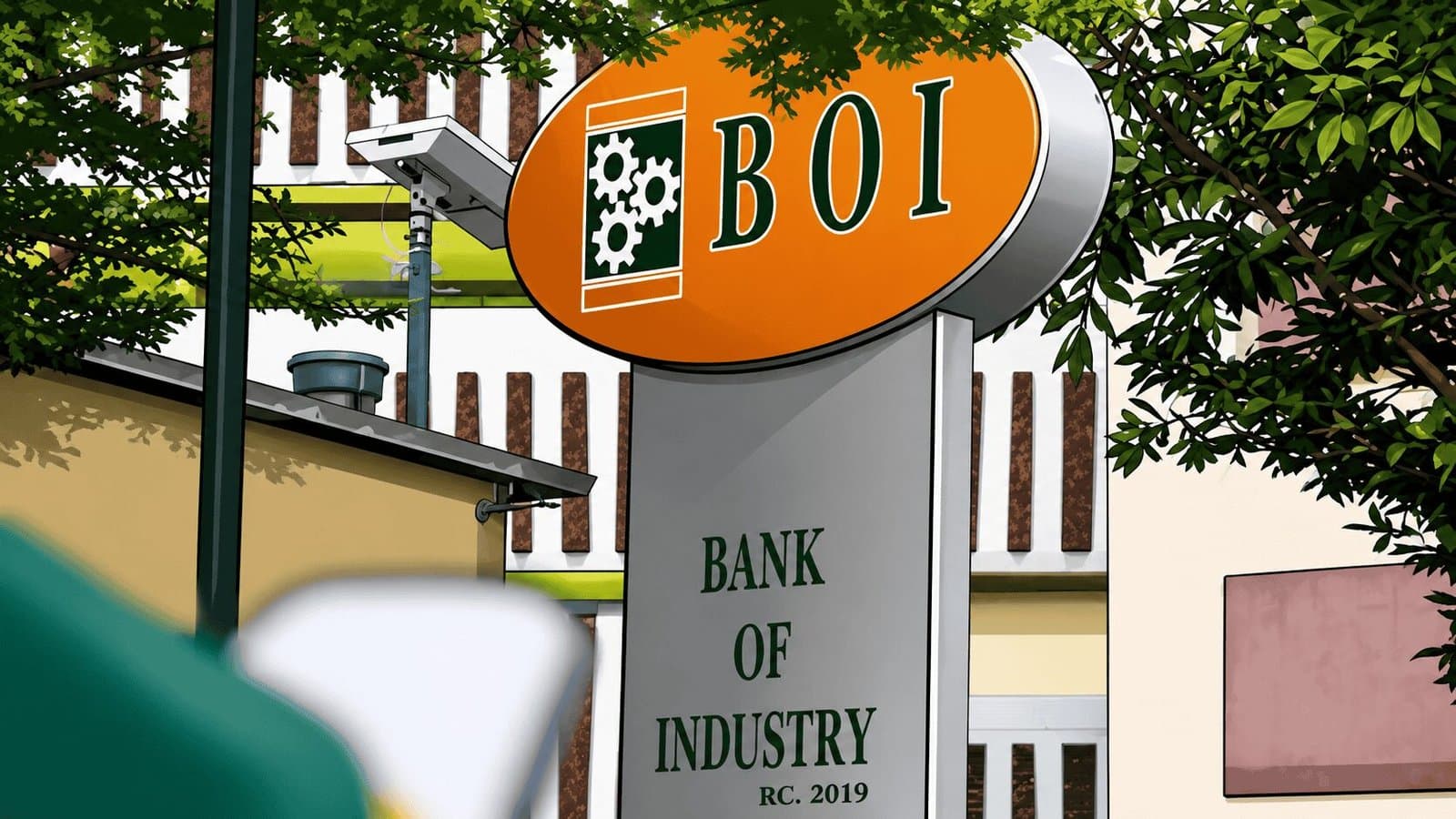
The Bank of Industry offers a rare alternative, with subsidized rates as low as 7% and repayment periods stretching up to 10 years for qualifying borrowers.
Yet many applicants struggle to move past the document-review stage. The institution disbursed ₦644.9 billion to businesses across 14 sectors in 2025, supporting an estimated 1.68 million jobs nationwide, BOI’s inaugural Annual Development Impact Report confirmed. More than 30% of that funding went directly to micro, small, and medium enterprises across Nigeria.
The opportunity is there, but getting through the BOI loan application requires preparation and the right documentation from the very start. If you want to understand the Bank of Industry loan how to apply process, this is the complete walkthrough for 2026.
BOI loan eligibility requirements you must meet before applying
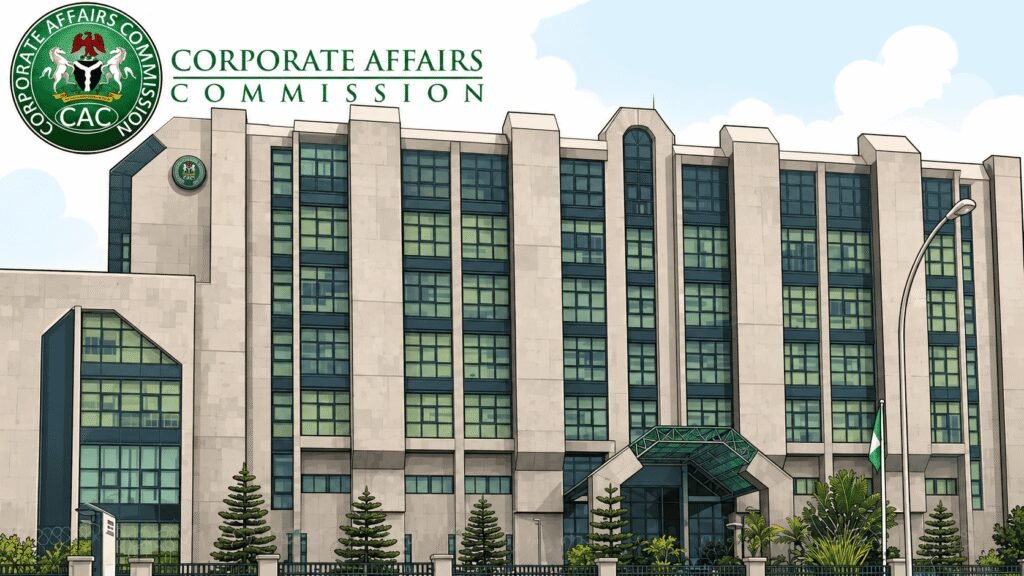
Your BOI loan application begins before you visit the portal, because the bank filters unqualified applicants during the document-review phase. The most fundamental requirement is registration with the Corporate Affairs Commission (CAC), Nigeria’s official business registry under the Companies and Allied Matters Act 2020.
More on government-backed Nigerian loans:
- Government loans in Nigeria: complete guide to federal, state, and institutional financing
- Best loan apps in Nigeria 2026 without collateral
BOI specifically targets businesses in productive sectors that contribute to Nigeria’s industrialization goals and economic diversification agenda. Priority sectors include manufacturing, agro-processing, healthcare, ICT, renewable energy, oil and gas, and the creative industry, the institution’s official website confirmed.
Your business must demonstrate the capacity to create jobs, generate revenue, and sustain operations beyond the repayment period. BOI evaluates applications based on economic impact, technical viability, and the applicant’s ability to repay the financing. Most direct BOI loan products require a Limited Liability Company with a valid RC number from the CAC.
How to apply for a Bank of Industry loan through the online portal
The BOI loan application process takes place primarily through the institution’s official online portal at boi.ng. You can also apply in person at any of the bank’s 37 offices across 34 Nigerian states, the 2025 impact report confirmed.
More on Nigerian lending and personal finance:
- Personal loans without collateral in Nigeria: banks, salary loans, and how to qualify
- FCCPC delisted loan apps 2026: full list and reasons
To create a portal account, you will need your business email address, Bank Verification Number (BVN), and passport photographs of all directors. After registration, the portal generates a verification link and a tracking code for monitoring your application status.
Required BOI loan application documents
- CAC certificate of incorporation or business name registration with your company’s RC number
- Tax Identification Number (TIN) and current tax clearance certificate from the Nigeria Revenue Service
- Detailed business plan with projected revenue, operating costs, and employment creation targets for the venture
- One year of audited financial accounts from BOI-accredited auditors for existing businesses currently in operation
- Statement of affairs for businesses that have been operating for less than one full year
- Company bank statements covering the most recent 12-month period showing consistent business transaction activity
- Declaration of outstanding liabilities to other banks, financial institutions, and private individuals
- Passport photographs and Bank Verification Number (BVN) of all directors listed in the CAC filings
- Lease agreement for rented premises with at least one year remaining beyond the proposed loan tenure
After uploading all documents, review your application carefully before submitting through the portal interface. The bank does not disburse loans directly to borrowers in cash but pays equipment vendors and suppliers on the borrower’s behalf, the federal government services portal noted.
You can track your BOI loan application status online at boi.ng/apply/track using the tracking code generated during the registration process, the bank confirmed.
BOI loan products, interest rates, and tenure options available in 2026
BOI interest rates typically fall between 7% and 12% per annum, far below the 25% to 30% commercial banks charge Nigerian borrowers, Biznalytiq reported. The ₦75 Billion MSME Intervention Fund carries a 9% annual interest rate with repayment terms of up to three years.
Active BOI loan programs in 2026
- SME direct loans: Starting at ₦5 million with no fixed upper limit, tenure of up to 10 years, and moratorium periods ranging from 3 to 12 months
- MSME matching fund: For loans below ₦5 million, operated through state government partnerships and the Bottom of the Pyramid scheme via microfinance banks
- Guaranteed Loans for Women (GLOW): A fund designed to empower women-owned businesses with easier access to subsidized financing and modified collateral requirements
- Youth entrepreneurship programs: Including the ₦2 billion BOI-NYSC Entrepreneurship Programme offering up to ₦5 million at 9% annual interest per beneficiary
- Creative Industry Financing Initiative (CIFI): A joint program with the Central Bank of Nigeria targeting film, fashion, music, and digital technology ventures
Collateral options and security requirements that BOI accepts
BOI requires that borrowers pledge assets to secure their loans as part of its fiduciary responsibility over public funds, the federal government services portal explained. However, the institution accepts several types of collateral beyond traditional landed property.
Acceptable forms of security include legal mortgage on landed property with a registered Certificate of Occupancy and debentures on company assets. BOI also accepts bank guarantees from commercial banks and external guarantors with notarized net-worth statements for loan requests below ₦10 million. The bank will consider sharing collateral previously pledged to other lenders if the arrangement adequately covers the loan value.
For programs targeting vulnerable groups, including GLOW and youth entrepreneurship initiatives, the collateral requirements are typically modified. Third-party guarantees from federal or state civil servants, registered professionals, or confirmed staff of established companies can also satisfy the requirement.
Common BOI loan rejection reasons and how applicants can strengthen submissions
Dr. Olasupo Olusi, Managing Director and CEO of BOI, acknowledged the gap between approved loans and actual disbursements during a 2025 engagement session. Olusi, speaking through a representative at a Presidential Loan Clinic for MSMEs in Abuja, identified the most common obstacles delaying funding across the country.
“We have approved several loans, and while some have been disbursed, others are pending due to reasons ranging from insufficient documentation to compliance gaps,” Olusi said, Punch reported.

The most frequent rejection triggers include submitting financial statements from non-accredited auditors and providing incomplete or inconsistent business plans to the review committee. Failing to declare existing liabilities to other financial institutions and applying under sectors outside the bank’s productive mandate also lead to automatic rejections.
The bank has accredited 416 BDSPs across Nigeria to help SMEs develop business plans and proposals required for BOI financing, the BOI website confirmed. Nasiru Ozovehe, BOI Regional Manager for North Central, noted that the bank approved funding for 662 businesses totaling ₦2.9 billion in the Federal Capital Territory alone, BusinessDay reported.