
Something unusual unfolded across Nigerian banking stocks on August 11, 2026, during a session that caught market watchers off guard. The two Tier-1 names investors rely on most for stability both finished the trading day firmly in the red.
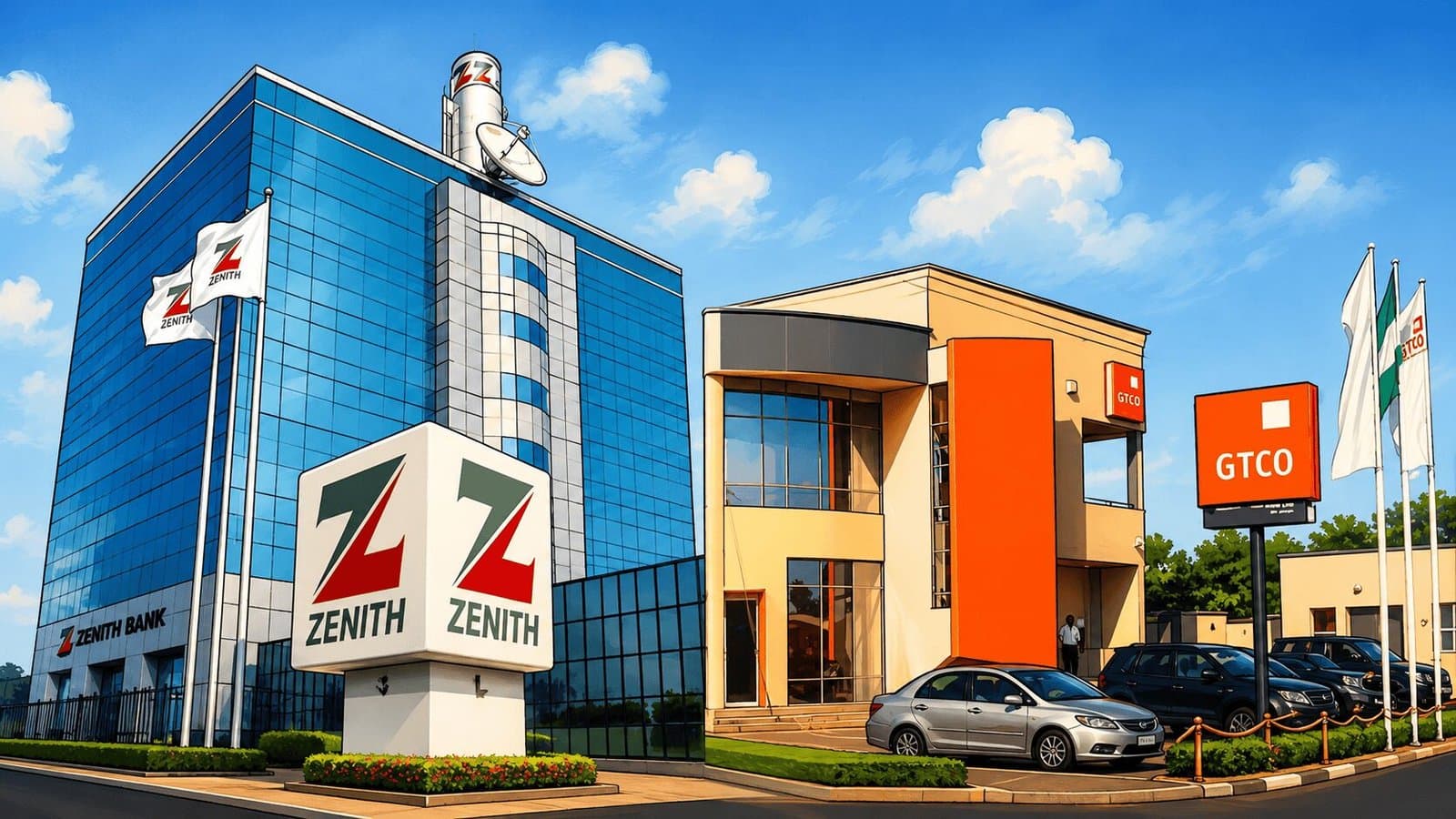
Zenith Bank closed at ₦126.50, and Guaranty Trust Holding Company settled at ₦128.80, with both stocks marked as decliners on the Nigerian Exchange’s official list. On that same day, three mid-tier lenders moved in the opposite direction, finishing the session with gains that signaled a potential shift in momentum.
The divergence played out against a broader market selloff that erased ₦1.17 trillion from the NGX’s total market capitalization in a single session, the Tribune reported. For investors tracking banking equities closely, the split between heavyweights and their smaller rivals raises fresh questions about where institutional capital is heading next.
Fidelity Bank, Sterling, and Wema Bank gain as Tier-1 heavyweights retreat
The NGX Daily Official List for August 11 showed Fidelity Bank closing at ₦22.00, Sterling Financial Holdings settling at ₦7.75, and Wema Bank ending the day at ₦28.40. All three stocks were marked as gainers on the exchange, even as the broader All-Share Index dropped 0.73% to 246,723.57 points.
Losses in FCMB Group, First HoldCo, GTCO, and Zenith Bank dragged the NGX Banking Index down 0.46% during the session, the Tribune noted. Gains in Fidelity Bank and Access Holdings were not enough to offset the pressure from their larger peers.
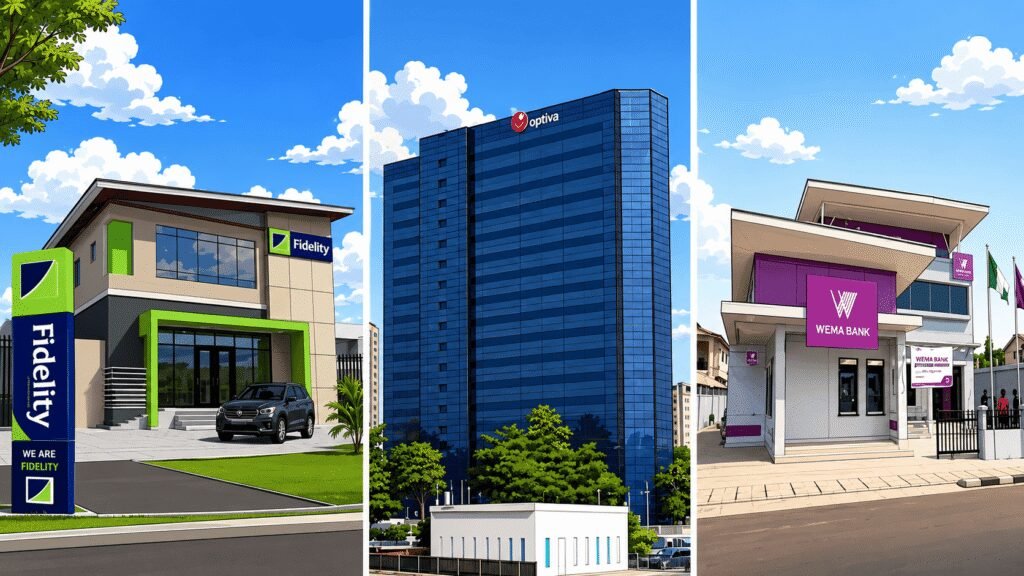
The mid-tier gains are part of a longer trend that has been building across the exchange through 2026. Fidelity Bank had gained 14.7% year-to-date, Sterling HoldCo had appreciated 13.5%, and Wema Bank had advanced 41.4% as of early August, BusinessDay reported. All three sit well below their 52-week highs, with Sterling trading at ₦7.75 against a ceiling of ₦9.35.
How Nigeria’s banking recapitalization reshaped investor appetite
The rotation into mid-tier lenders traces back to one of the most significant regulatory events in Nigerian banking history. The Central Bank of Nigeria’s recapitalization program, which concluded with a March 31, 2026, deadline, required all commercial banks to significantly increase their minimum capital base.

Mid-tier lenders tapped the capital markets through public offers, rights issues, and private placements to meet the new requirements. The resulting share dilution initially pushed their stock prices lower, creating a discount window that value-oriented investors are now exploiting.
“Several banks have led the way in stock price growth in 2026. ETI, Jaiz Bank, Wema Bank, First Holdco, and Stanbic IBTC Holdings have seen impressive stock price growth to reflect positive market sentiment toward the banking sector’s continued growth and stability.” — David Adnori, vice president at Highcap Securities Limited, told ThisDayLive
Adnori was commenting on the banking sector broadly, not mid-tier lenders specifically, but his point underscores the momentum that smaller names have been riding alongside their larger peers.
The combined market capitalization of 12 listed banks climbed to ₦27.4 trillion at the end of July 2026, up from ₦23.33 trillion in June, ThisDayLive reported. The NGX Banking Index gained 22.1% during July alone, outperforming every other sectoral index on the exchange during that period.
Why analysts still favor Zenith Bank despite August 11’s decline
Despite the session’s weakness, Zenith Bank remains the strongest consensus recommendation among Nigerian brokerage firms heading into the second half of 2026. Four investment houses, including Meristem Securities, Blue Marina Research, Cowry Asset Management, and Arthur Steven Asset Management, all assigned the stock a Buy rating. Those firms set an average target price of approximately ₦159.48, implying potential capital appreciation of between 40% and 56.2%, Blueprint reported.
Meristem Securities noted that Zenith trades at a price-to-earnings ratio of 4.20 times and a price-to-book ratio of 0.85 times, while delivering a return on equity of 20.18%, the report indicated. Blue Marina Research also projected a 5.6% dividend yield, bringing the bank’s expected total return to nearly 48%.
What the banking stock split signals for NGX investors
The August 11 session suggests that institutional investors are taking profits on Tier-1 names that have already posted strong year-to-date gains. Zenith Bank has gained over 100% year-to-date based on NGX trading data, and GTCO had risen approximately 50% through June, Nairametrics reported. Those gains leave both stocks closer to analyst price targets than several of their smaller peers.
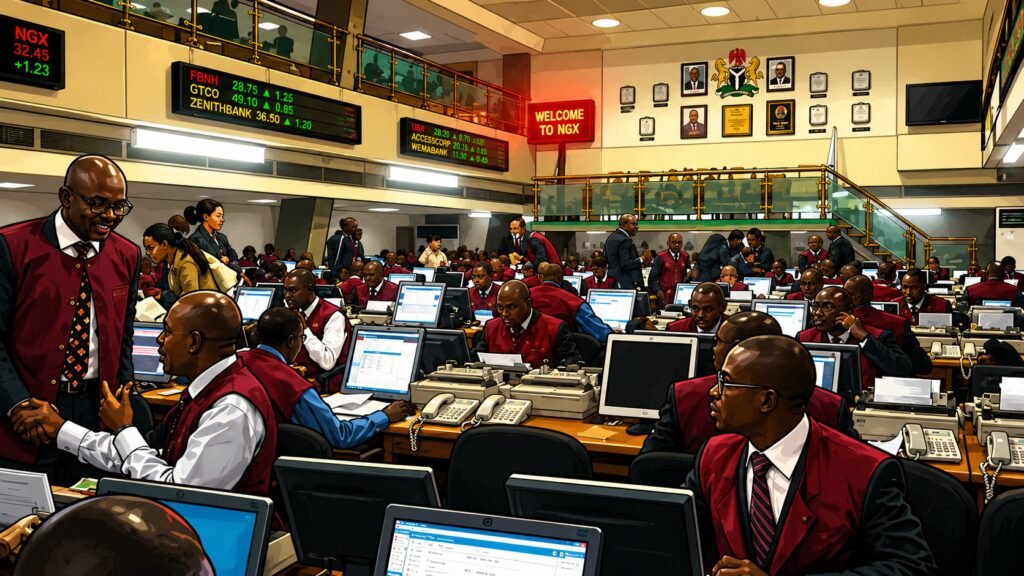
Adnori expects Nigeria’s equities market to gradually regain momentum in the second half of 2026, driven by stronger corporate fundamentals and improved earnings prospects, he told participants at the Capital Market Correspondents Association of Nigeria midyear review, Leadership reported. He noted that the recent NGX correction reflects normal institutional portfolio repositioning after a reform-driven rally.
Key figures from the August 11 session
- NGX All-Share Index: 246,723.57 points (down 0.73%), per Tribune
- Market capitalization: ₦159.26 trillion (down ₦1.17 trillion)
- NGX Banking Index: down 0.46% for the session
- Zenith Bank: closed at ₦126.50 (decliner), per the NGX Daily Official List
- GTCO: closed at ₦128.80 (decliner)
- Fidelity Bank: closed at ₦22.00 (gainer)
- Sterling Financial Holdings: closed at ₦7.75 (gainer)
- Wema Bank: closed at ₦28.40 (gainer)