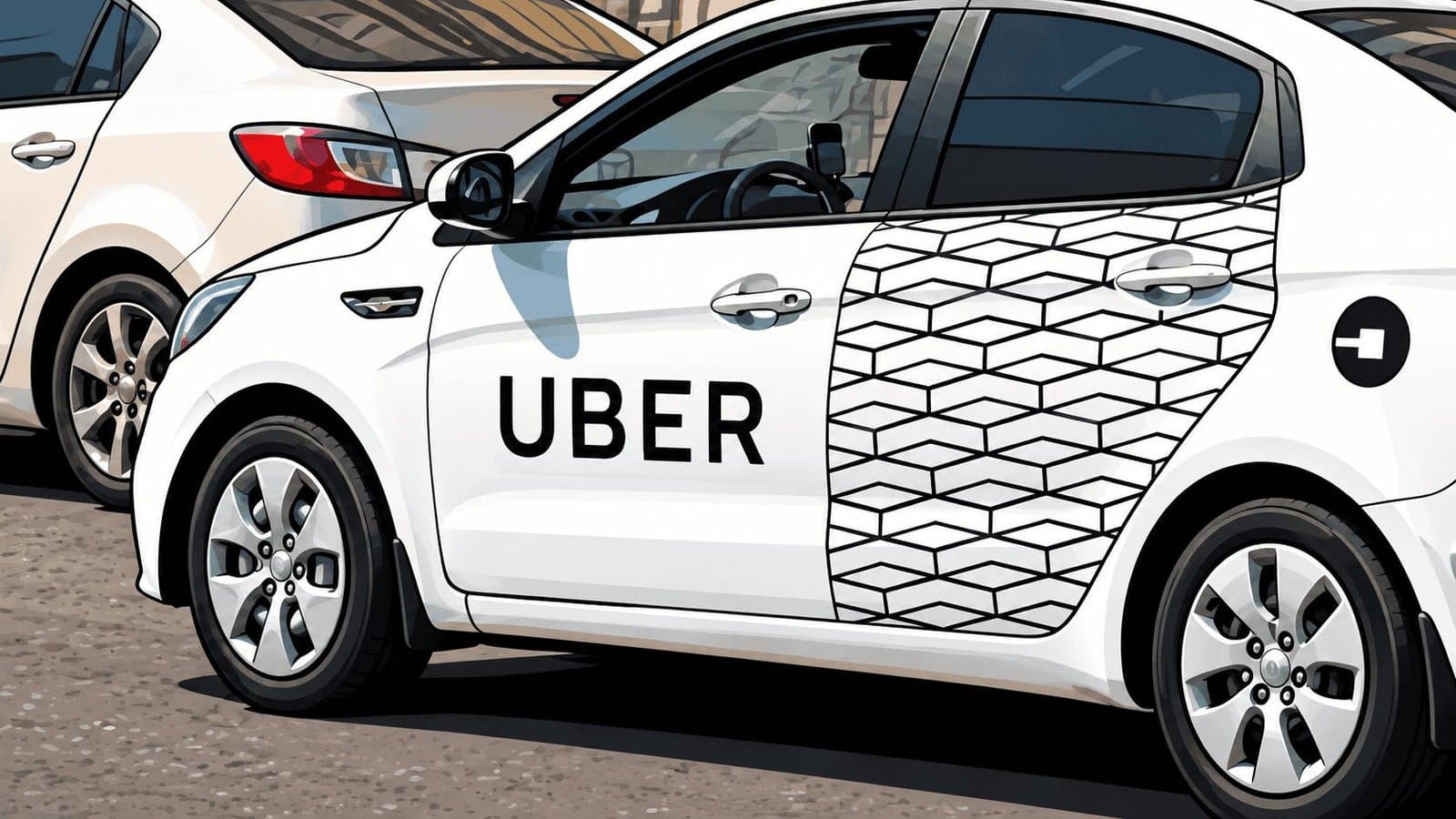

If you hailed a ride in Lagos through Uber at any point over the last decade, that chapter is now officially over.
The ride-hailing company confirmed on September 2, 2026, that it has discontinued operations in Nigeria and Uganda, effective immediately. The decision followed what the company described as a review of its evolving business priorities across the continent, TechCabal reported.
Nigeria was not a peripheral market for Uber; it was one of its earliest bets in sub-Saharan Africa, launched in Lagos in 2014. What started as a pioneering move in app-based mobility has ended in a retreat shaped by rising costs, fierce competition, and driver unrest.
Uber’s Nigeria shutdown caps a turbulent 12-year run
Uber notified Nigerian riders and drivers through email and in-app messages, calling the announcement “difficult news.” Lorraine Onduru, Uber’s head of communications for East and West Africa, confirmed the decision applies strictly to Nigeria and Uganda, Techeconomy reported.

The company promised a one-off “goodwill payment” to drivers and said its help center would remain accessible until September 23 for outstanding account issues. Egypt, Ghana, Kenya, and South Africa are the four African markets where Uber still operates, TechFocus24 noted.
Why Uber struggled in Nigeria despite strong rider demand
Nigeria’s ride-hailing sector did not lack customers; it lacked economics that worked for passengers, drivers, and platforms at the same time. The removal of petrol subsidies sent fuel and vehicle maintenance costs soaring, squeezing driver margins across every platform, Launch Base Africa reported.
Key pressures behind Uber’s exit:
- Competition: Bolt captured over 60% of Nigeria’s ride-hailing market by 2020, while inDrive gained ground by letting riders negotiate fares directly.
- Driver unrest: Uber drivers staged protests in 2017, 2023, and 2025 over commission rates, low fares, and working conditions, Innovation Village noted. Drivers staged another protest in March 2026, TechCabal reported.
- Regulation: Lagos State tightened compliance requirements for e-hailing operators, enforcing vehicle audits and strict data-sharing protocols, Launch Base Africa reported.
“Uber remains deeply committed to Sub-Saharan Africa, where we continue to see robust growth and long-term opportunity,” Onduru said in a statement to Techeconomy.
Uber’s 3,300 global layoffs signal a broader strategic shift
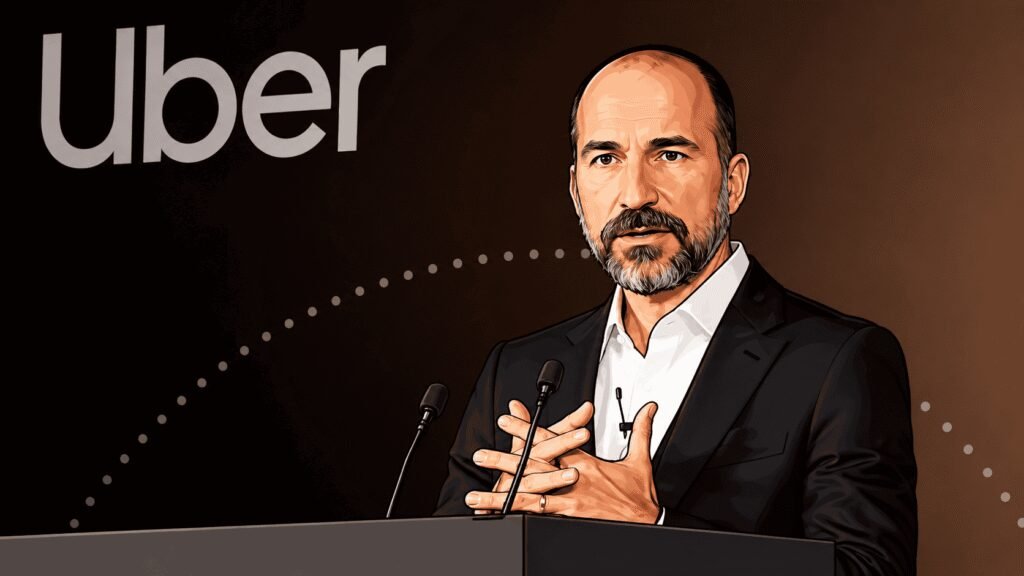
The Nigeria exit landed alongside Uber’s largest round of job cuts since the pandemic devastated ride-hailing demand in 2020. CEO Dara Khosrowshahi announced the elimination of approximately 3,300 roles in a memo to employees obtained by Bloomberg News.
Khosrowshahi attributed the restructuring to organizational complexity from years of rapid growth, not to a downturn in demand. Uber’s Q2 2026 results showed gross bookings of $58 billion, up 24% year over year, with net income of $2.4 billion, CNBC reported.
“A leaner organization will mean clearer ownership, faster decisions, and more time spent building rather than coordinating,” Khosrowshahi wrote, Engadget reported.
Uber’s shrinking African footprint raises questions for remaining markets
Nigeria is Uber’s third African market exit in roughly 12 months and its most significant departure on the continent. The company left Côte d’Ivoire in September 2025 after six years, The Africa Report noted, and exited Tanzania in January 2026 after prolonged clashes with regulators over fixed pricing rules.
Key facts about Uber’s African retreat
- Uber exited Côte d’Ivoire in September 2025, Tanzania in January 2026, and Nigeria and Uganda in September 2026.
- Bolt held over 60% of Nigeria’s ride-hailing market by 2020 and operated 30,000 drivers in Tanzania when Uber exited.
- Uber’s Q2 2026 gross bookings hit $58 billion globally, but the company is redirecting investment toward robotaxi development.
- Egypt, Ghana, Kenya, and South Africa are Uber’s four remaining African markets.
What Uber’s exit means for Nigerian riders and drivers
For millions of Nigerians who relied on Uber for daily commutes, the immediate impact is one fewer option in a market still served by Bolt, inDrive, Lagride, and Rida. Riders may face longer wait times and potential fare increases if demand migrates faster than driver supply adjusts.
Uber’s departure does not fix the underlying economics of Nigerian ride-hailing, where fuel costs, naira depreciation, and regulatory demands continue to pressure margins. The companies that remain must now prove they can build a model that balances affordable fares, sustainable driver earnings, and platform profitability.