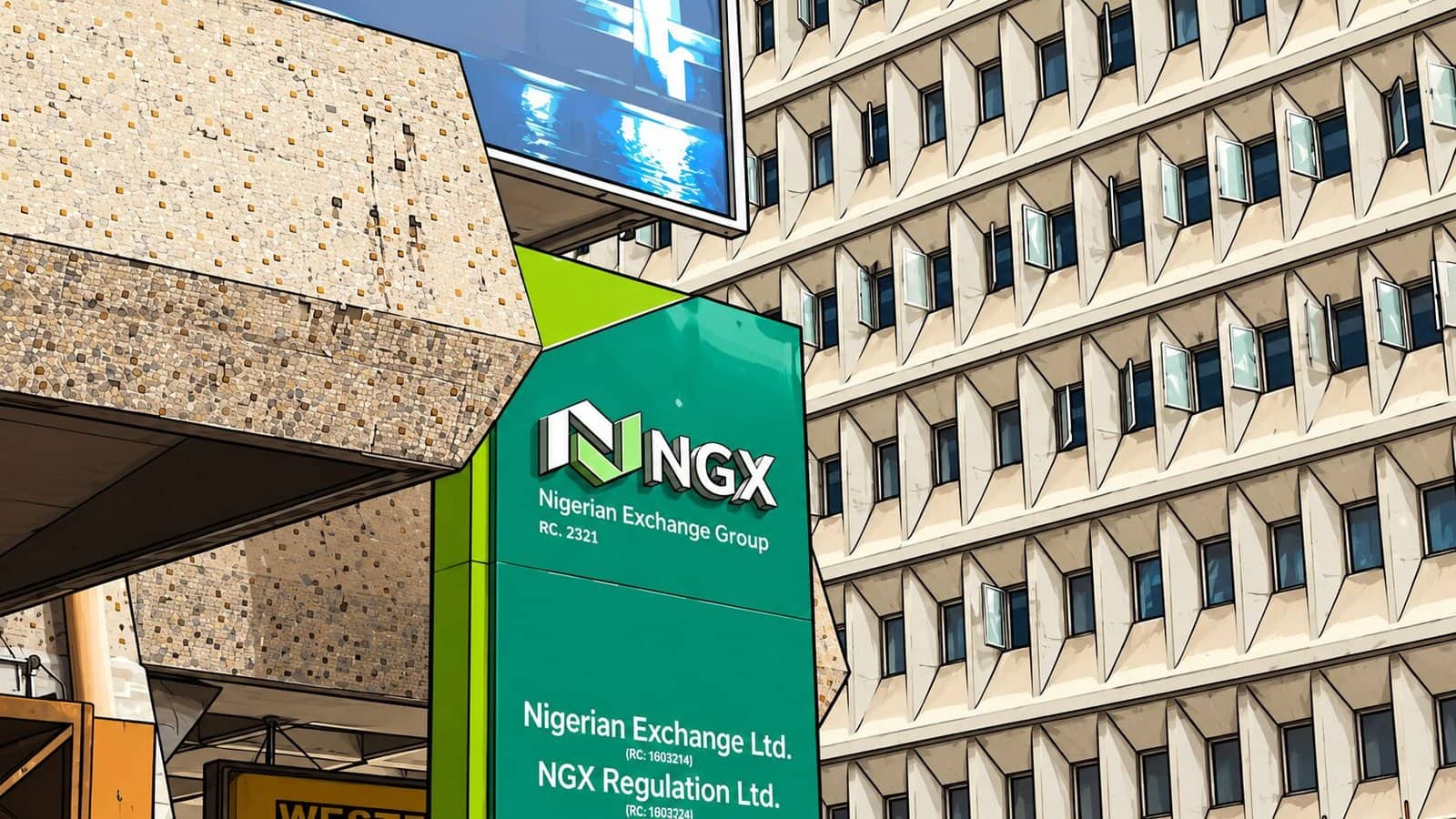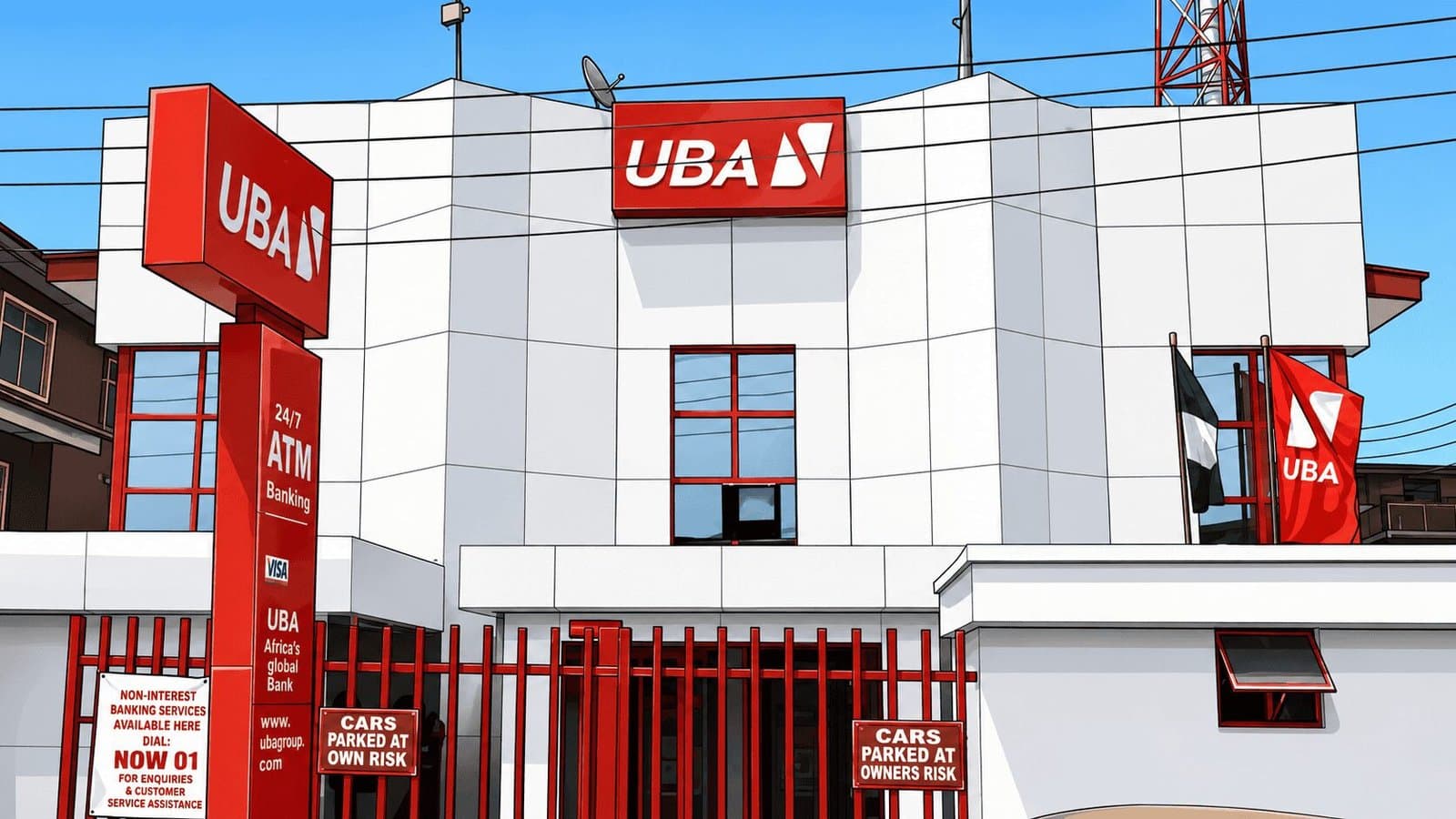

Every earnings season, investors on the Nigerian Exchange marked their calendars for UBA’s results with good reason. The pan-African banking group commands a ₦2 trillion market capitalization, spans 20 African countries, and serves over 50 million customers. This time, the board has already reviewed the numbers for the first half of 2026, but a regulatory gate stands between them and the investing public.
On August 15, 2026, UBA notified the exchange that its board had approved the group’s audited accounts for the half year ended June 30, 2026. The catch: the Central Bank of Nigeria must sign off before the figures become public, and the bank’s closed trading period stays in place until that happens. There was also a second agenda item that carries a backstory of its own.
UBA’s H1 2026 audited results hinge on CBN regulatory approval
The board of United Bank for Africa met on August 13, 2026, and signed off on the group’s audited accounts for the first six months of the year. Those results cannot reach the public until the Central Bank of Nigeria issues its own clearance, the bank’s NGX filing confirmed. UBA pledged to notify the exchange and investors the moment that clearance arrives.
Until CBN grants approval, the closed period, in place since the board meeting was announced on July 1, 2026, continues to run. That restriction bars UBA insiders, directors, and anyone with non-public information from trading the stock. The ban lifts only 24 hours after the audited statements become publicly available, the filing stated.

The extended wait lands during what management has openly described as a transition year for UBA. In Q1 2026, gross earnings rose 5% year-on-year to ₦801.5 billion, supported by growth across key income lines, Vanguard reported. But profit before tax fell to ₦160.7 billion from ₦204.3 billion a year earlier, reflecting heavier impairment charges.
Ibrahim Puri’s boardroom comeback adds intrigue to UBA’s reshuffle
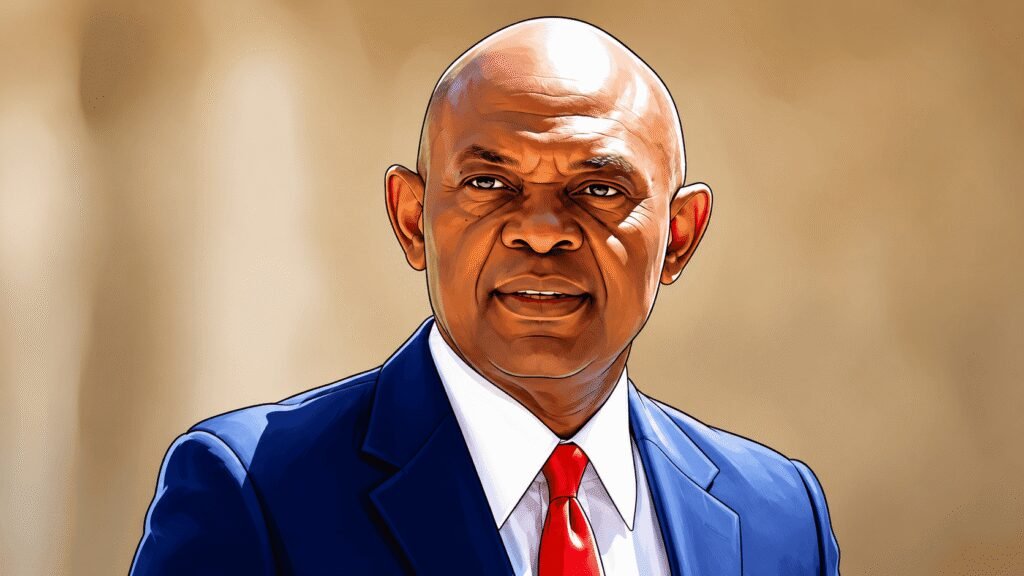
The board also approved the appointment of Ibrahim Ajimasu Puri as a non-executive director, subject to CBN clearance. Puri previously served as an executive director at UBA, overseeing operations across Northern Nigeria before retiring in 2022 alongside several other directors during the transition that brought Oliver Alawuba in as group managing director, BusinessDay reported.
Group Chairman Tony O. Elumelu framed the appointment as a move to strengthen governance ahead of a critical stretch for the bank.
“I congratulate Mr. Ibrahim Puri on his appointment as a Non-Executive Director. The Board is confident that his extensive experience, depth of expertise, and sound judgement will further strengthen the Board and contribute meaningfully to the continued growth and success of the Group.” — Tony O. Elumelu, Group Chairman, UBA
Since leaving UBA, Puri has held non-executive positions at Nigerian Breweries Plc and 9mobile, Nigerian Breweries confirmed on its board page. He brings over 35 years of experience spanning banking, fintech, telecommunications, and consumer goods to the role.
UBA’s transition year puts the half-year numbers under closer scrutiny
The stakes around UBA’s half-year results are elevated because of what the previous two reporting periods revealed. Profit after tax fell 47.21% in FY 2025 to ₦404.7 billion, largely because FX revaluation gains that inflated 2024 earnings did not repeat. The cost of risk surged to 4.17% on a ₦331.07 billion impairment charge, Proshare observed in its analyst report.
Key numbers investors are watching
- Q1 2026 gross earnings: ₦801.5 billion, up 5% year-on-year (Vanguard)
- Q1 2026 profit before tax: ₦160.7 billion, down from ₦204.3 billion (Proshare)
- FY 2025 profit after tax: ₦404.7 billion, down 47.21% (Proshare)
- Total assets as of Q1 2026: ₦33.1 trillion (Vanguard)
- Capital adequacy ratio: 23.2% (UBA FY 2025 filing)
- Analyst consensus: Strong Buy, target prices from ₦41.44 to ₦62.90 (TradingView)
Despite the profit decline, analysts have largely held a constructive view. Six analysts tracked by TradingView assigned UBA a consensus price target of ₦53.83, implying meaningful upside from the ₦46.45 level recorded on August 11, TradingView indicated.
Nairametrics senior analyst Idika Aja observed that UBA’s five-year compounded annual earnings growth rate of 30% keeps the valuation attractive despite the 2025 profit contraction. At the time of that April analysis, the stock traded at roughly four times trailing earnings, well below the banking sector’s average price-to-book ratio of 1.16, Nairametrics reported.
The half-year numbers, whenever CBN clears them, will show whether the transition year narrative is translating into a genuine earnings recovery or whether investors need to exercise further patience heading into the final stretch of 2026.