
A single number can make an entire economy look healthier than it is. Nigeria’s real gross domestic product expanded by 4.43% year-on-year in the second quarter of 2026, up from 4.23% in the same period of 2025. On the surface, that reads like steady progress toward the government’s growth ambitions.
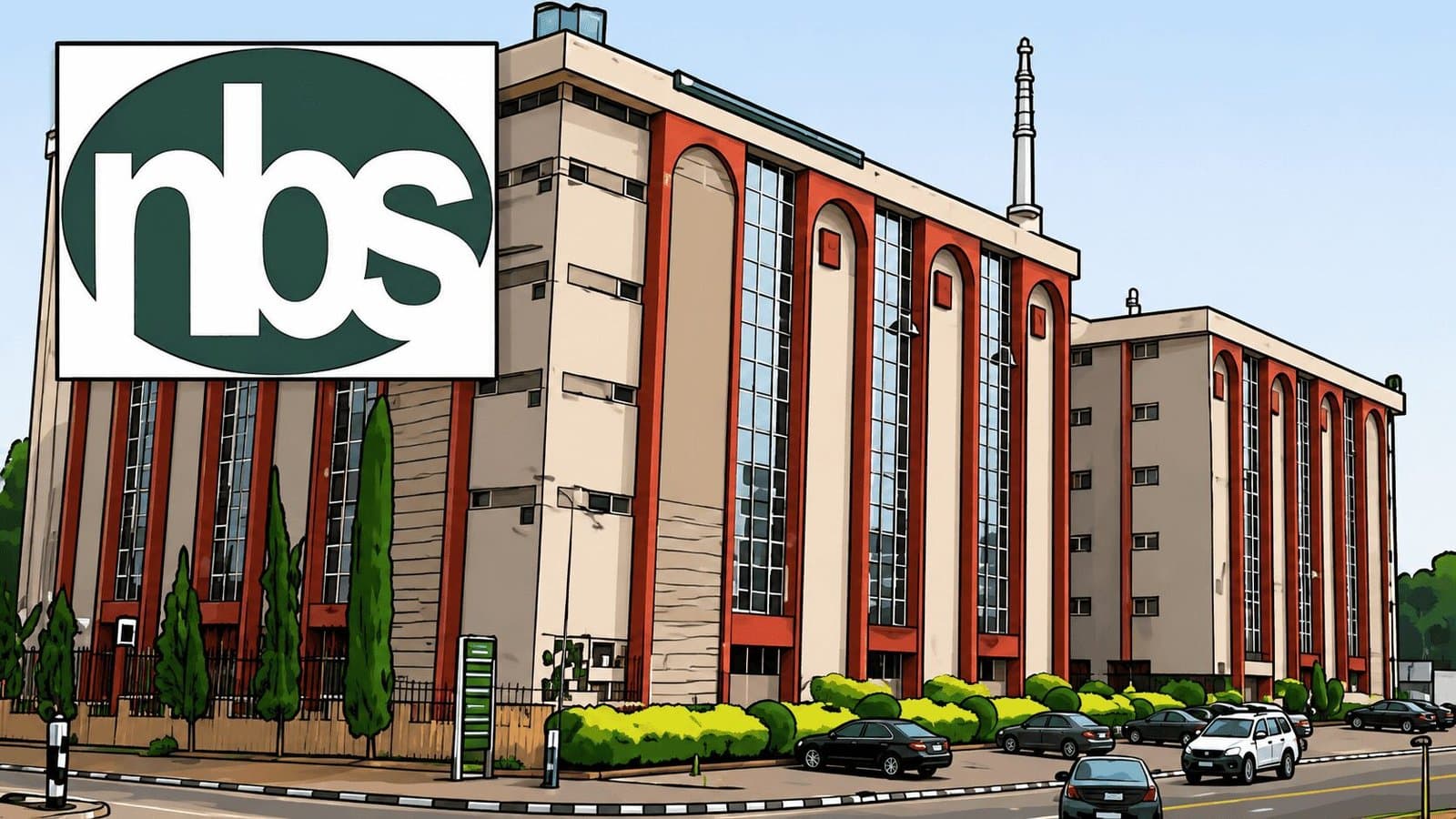
Scratch beneath that top line, however, and two very different economies emerge from the same data. One is accelerating, powered by farms and digital services pulling further ahead of last year. The other is stalling, with industrial output nearly halving and oil-sector growth collapsing despite multi-year-high crude production. Here is what the National Bureau of Statistics’ Q2 2026 GDP report reveals.
Agriculture and services surged while Nigeria’s industry sector stalled
The agricultural sector expanded by 4.39% in real terms, a sharp improvement from 2.82% a year earlier. Crop production anchored the gains, contributing 17.66% of total real GDP, while livestock output jumped 6.92%. Services grew by 4.60%, up from 3.94% in Q2 2025, and now account for 56.62% of the country’s real economic output.

Industry told the opposite story, with growth slumping to 3.96% from 7.46% a year ago. The electricity sector contracted by 10.63%, reversing the 11.47% gain it recorded in Q2 2025, while manufacturing expanded just 3.24% in real terms. Information and communications was a standout, expanding 9.62% as telecommunications lifted the sector’s GDP share to 11.74%.
Nigeria’s oil output hit a four-year high but growth still collapsed
Average daily crude oil production reached 1.72 million barrels per day in Q2 2026, the highest level since 2022. That topped the 1.68 million barrels recorded a year earlier and jumped from 1.55 million in Q1 2026. Improved pipeline security, reduced crude theft, and renewed upstream investment supported the production gains, the Nigerian Economic Summit Group noted in its H1 2026 outlook, TheCable reported.
Despite the production gains, real growth in the oil sector fell to 7.31% from 20.46% a year earlier. The comparison effect explains most of the decline, since Q2 2025 marked a period of rapidly recovering output that inflated the base year. Oil’s share of total GDP edged up to 4.16%, while the non-oil sector contributed the remaining 95.84%.
“Number one is the dominance of the non-oil sector, which is now the primary engine driving the real economy, accounting for about 96%. Nigeria is gradually moving away from permanently concentrating on oil as a source of revenue.” — Prof. Tayo Bello, developmental economist, via Leadership

Bello described the Q2 result as the fastest second-quarter expansion in five years and attributed the improvement primarily to the growing weight of non-oil activity. The non-oil sector expanded by 4.31%, up from 3.64% a year earlier.
Nigeria’s 4.43% GDP growth still trails the government’s 7% target
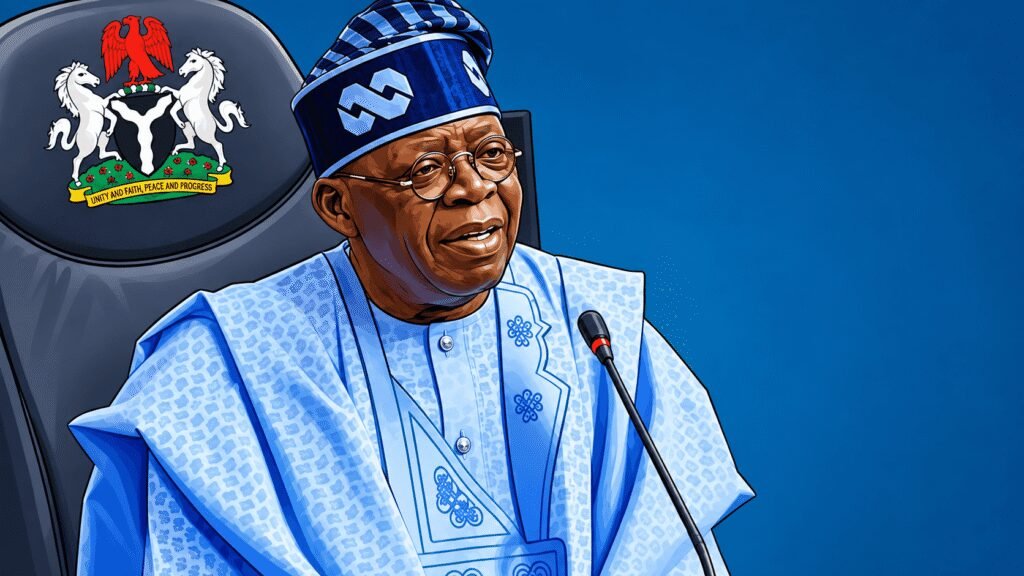
President Bola Tinubu’s administration has set a target of reaching 7% annual economic growth by 2027, a benchmark the current quarterly pace falls short of achieving. Full-year growth reached 3.87% in 2025, up from 3.38% in 2024, and the government projected 4.68% for 2026, AllAfrica reported.
The Nigerian Economic Summit Group projected full-year 2026 growth at approximately 4.2%, with the second half expected to strengthen to around 4.5%. It flagged election-related uncertainty, insecurity, and global trade disruptions as risks to that forecast, TheCable reported.
Key figures from Nigeria’s Q2 2026 GDP report
- Real GDP growth: 4.43% YoY, up from 4.23% in Q2 2025 (NBS)
- Agriculture: 4.39% real growth, up from 2.82% in Q2 2025 (NBS)
- Industry: 3.96% real growth, down from 7.46% in Q2 2025 (NBS)
- Services: 4.60% real growth, 56.62% of GDP (NBS)
- Oil production: 1.72 million barrels per day, highest since 2022 (NBS)
- Nominal GDP: ₦119.29 trillion, up 18.43% YoY (NBS)
What Nigeria’s GDP split signals for the rest of 2026
The Q2 data confirms that Nigeria’s growth engine is shifting structurally away from oil and industry toward services and agriculture. Whether that shift translates into jobs, lower costs, and improved living standards will determine if the headline figure means anything to ordinary Nigerians.
For investors and policymakers, the immediate question is whether the services-led pattern can sustain itself without a recovery in industrial output. A 4.43% headline offers comfort, but the two stories underneath it point in opposite directions.