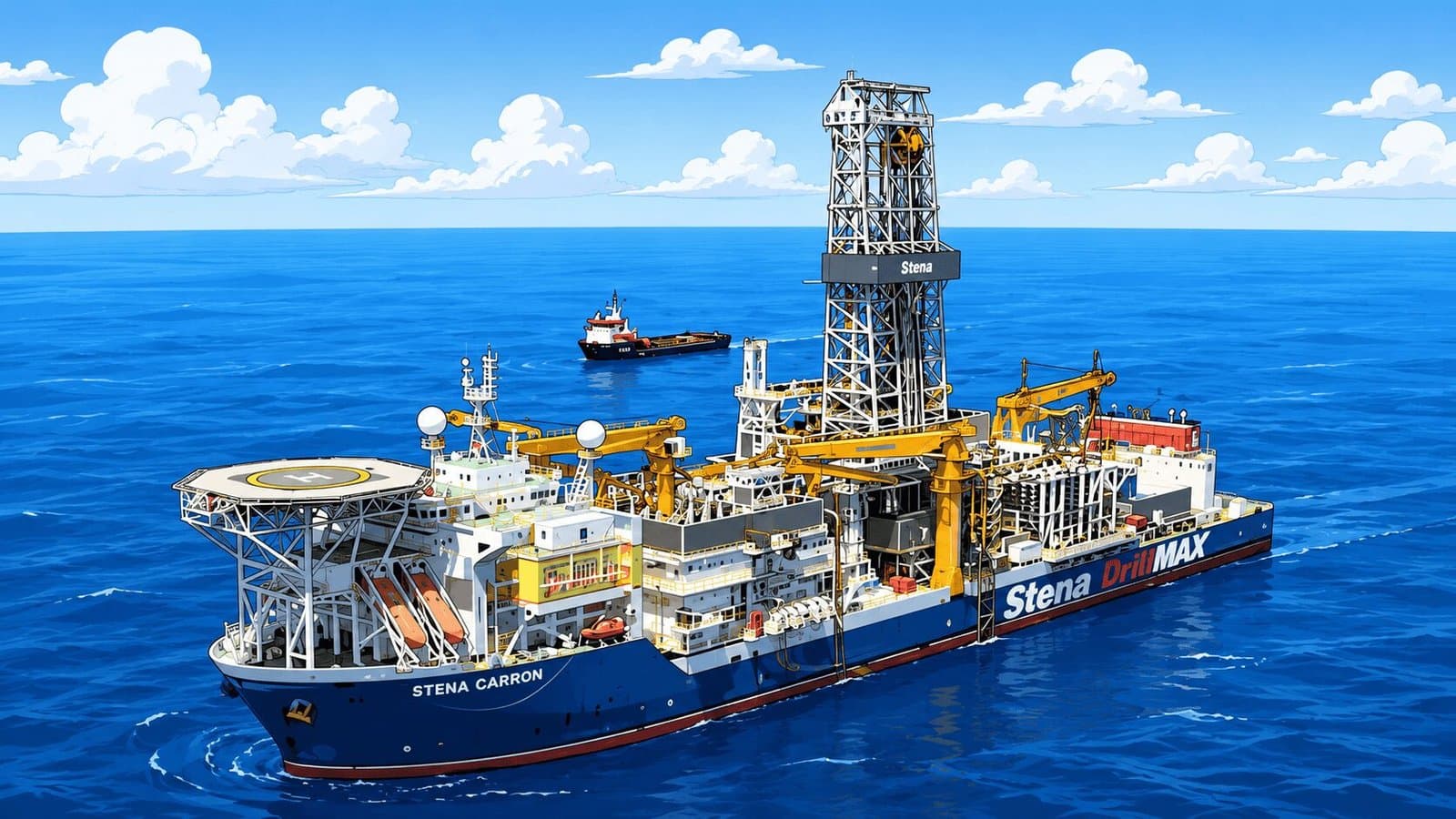

Nigeria has never produced 3 million barrels of crude oil in a single day at any point in its history as a petroleum state. The country’s upstream regulator is now telling the world that milestone is less than four years away, backed by regulatory overhauls and billions of dollars in new upstream commitments.
June 2026 crude output hit 1.56 million barrels per day, the strongest monthly average since April 2020, according to the Nigerian Upstream Petroleum Regulatory Commission. Combined crude and condensate production reached 1.735 million barrels per day during the same period, a figure that has revived investor confidence across the sector.
Whether that momentum can carry Nigeria to a figure nearly twice the current level will depend on far more than optimism from government officials.
NUPRC’s chief executive says the 3 million barrel target is within reach
Oritsemeyiwa Eyesan, the head of the NUPRC, expressed confidence that Nigeria can hit the target by the end of the decade. “The national target is to get to 3 million barrels by 2030. I believe we are able to get there,” Eyesan told Bloomberg on July 20, 2026, citing faster permitting, quicker crude sales approvals, and fiscal incentives under the Tinubu administration.

The recovery is already visible in the numbers. Nigeria has exceeded its OPEC+ crude production quota for two consecutive months, supported by fewer pipeline disruptions and stronger operational performance across the upstream sector, OilPrice.com reported. ExxonMobil confirmed it will begin execution of its $1 billion Usan Infill Project starting in August 2026, which is expected to add up to 40,000 barrels per day at peak production, Reuters reported.
Indigenous producers now drive 60% of Nigeria’s crude output
Nigerian-owned producers now account for roughly 60% of national crude output, a structural shift accelerated by years of IOC divestments from onshore and shallow-water assets, the NUPRC confirmed. Higher oil prices have encouraged these operators to reactivate mature fields and restart wells that had been shut in during leaner periods.
The Tinubu administration has introduced tax waivers and faster regulatory approvals designed to draw fresh capital into a sector weakened by underinvestment and theft, Economic Confidential noted. Those incentives include a 2029 deadline for deepwater tax benefits, which is driving a race among major operators to lock in final investment decisions on greenfield projects.
Deepwater projects could add 700,000 barrels per day at peak
Wood Mackenzie analysts said at the Nigeria Oil and Gas conference in Abuja that the country’s offshore sector could be entering a new investment era after more than a decade without major new capital commitments. If projects including Bonga Southwest-Aparo, Owowo, and Zabazaba move forward, they could collectively add around 700,000 barrels per day of liquids at peak production, the firm estimated in a July 2026 analysis.
Partner alignment, competition for capital, regulatory approvals, and constraints in the offshore supply chain could all slow progress even after a final investment decision is reached, Wood Mackenzie cautioned.
Key figures behind Nigeria’s 2030 oil ambition
- June 2026 crude output: 1.56 million bpd, highest since April 2020 (Source: NUPRC)
- Combined crude and condensate: 1.735 million bpd in June 2026 (Source: NUPRC)
- 2030 target: 3 million bpd, a historic record (Source: Bloomberg)
- Interim target: 2 million bpd by 2027 (Source: BusinessDay)
- Potential deepwater addition: up to 700,000 bpd at peak (Source: Wood Mackenzie)
Analysts warn mature fields alone will not close the gap
Dr. Bala Zakka, a petroleum engineer and oil and gas analyst, commenting on an earlier government production target in January 2025, has previously stated that reaching aggressive production targets remains unlikely without addressing persistent crude oil theft in the Niger Delta and the continued exit of international oil companies from onshore exploration, Nairametrics reported.
Dr. Adeola Yusuf, an energy communication researcher at Platforms Africa, urged the government to demand phase-by-phase progress reports from oil producers and contractors.
“Our president and all of us cannot, as a country, fail to meet up with the oil output target set for 2030,” Yusuf said at the Nigeria International Energy Summit in February 2026, Leadership reported.
Nigeria missed its 2025 budget production target of 2.06 million barrels per day by a wide margin, a pattern that underscores the persistent gap between government ambition and operational reality in the upstream sector, ThisDay reported. The next four years will test whether faster permitting and a transformed deepwater pipeline can deliver results at a scale this sector has never sustained.