
Two of Africa’s most influential economies are staring at the same institution and reaching opposite conclusions about whether to take its money. Kenya wants a new funding arrangement with the International Monetary Fund (IMF), and the country’s central bank governor just confirmed that a Fund delegation is heading to Nairobi to start formal consultations.
Nigeria has drawn a firm line in the opposite direction, rejecting any IMF bailout at the 2026 Spring Meetings in Washington. Each country’s choice carries consequences that filter into household budgets across both nations.
Kenya’s central bank confirms fresh IMF talks are underway in Nairobi
Central Bank of Kenya (CBK) Governor Kamau Thugge confirmed on August 12 that Kenya is pursuing a new Fund-supported program and that an IMF mission team is expected in Nairobi for Article IV consultations, Kenyans.co.ke reported.
Kenya’s previous $3.6 billion program expired in April 2025 after the country failed to meet 11 of its 16 performance targets, Kenyans.co.ke reported in a separate account. That collapse cost the country roughly Ksh110 billion ($850 million) in undisbursed financing.

The government projects borrowing of Ksh1.321 trillion in the 2027/28 fiscal year, with Ksh1.1 trillion from domestic markets and Ksh236 billion from external lenders, within a proposed Ksh5.323 trillion budget. Charlie Robertson, head of macro strategy at FIM Partners, said after the program collapsed that a funded IMF deal would represent the best-case outcome, Reuters reported.
Nigeria’s rejection of IMF lending runs deeper than politics
Nigeria’s Tinubu administration sharpened its opposition in April 2026, when Finance Minister Wale Edun told African finance ministers at the IMF Spring Meetings that Nigeria would not seek a bailout, The Guardian Nigeria reported.
“The direction is clear,” Edun said in a statement from Nigeria’s Federal Ministry of Information. “Nigeria is staying the course with internally driven reforms rather than turning to multilateral financing.”
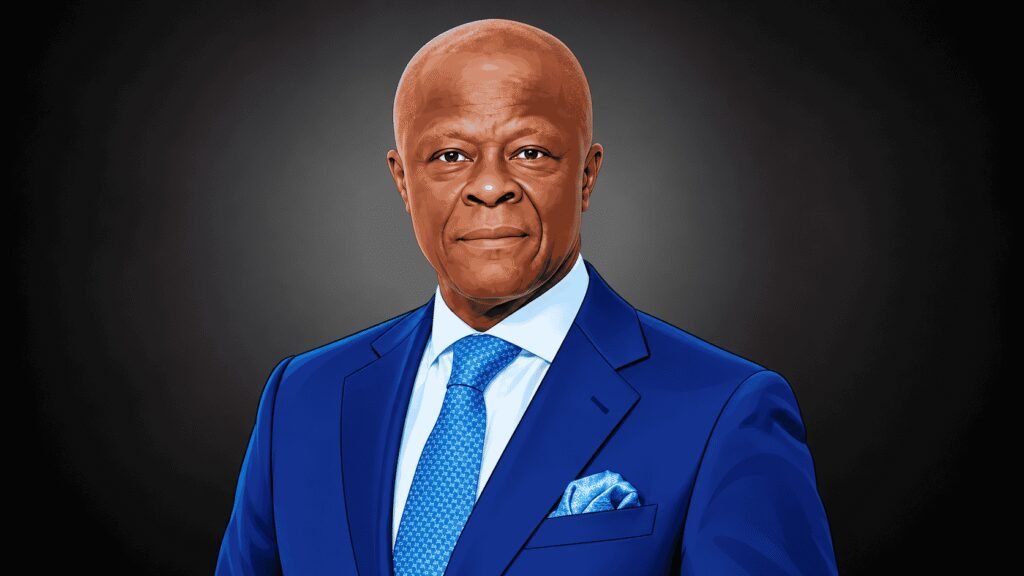
The financial record backs the posture. Nigeria completed early repayment of its $3.4 billion Rapid Financing Instrument (RFI) facility in April 2025. As of August 2026, the country holds zero outstanding obligations to the IMF, according to data reported by The Digger News. That stands in sharp contrast to Kenya, among Africa’s top 10 IMF debtors.
Nigeria’s skepticism traces to the 1980s, when General Ibrahim Babangida rejected an IMF loan under enormous public pressure, then quietly pursued structural reforms through World Bank financing, as economic analyst Yaw Boadu has documented.
Kenya’s governance hurdles and what both countries’ IMF choices reveal
Securing a new deal will not be simple. The IMF conducted a governance diagnostic mission in Kenya between June 16 and 30, 2025, the IMF confirmed. The IMF shared the resulting draft report with President William Ruto’s administration, but the government had not publicly responded to the findings as of mid-2026, CNBC Africa reported.
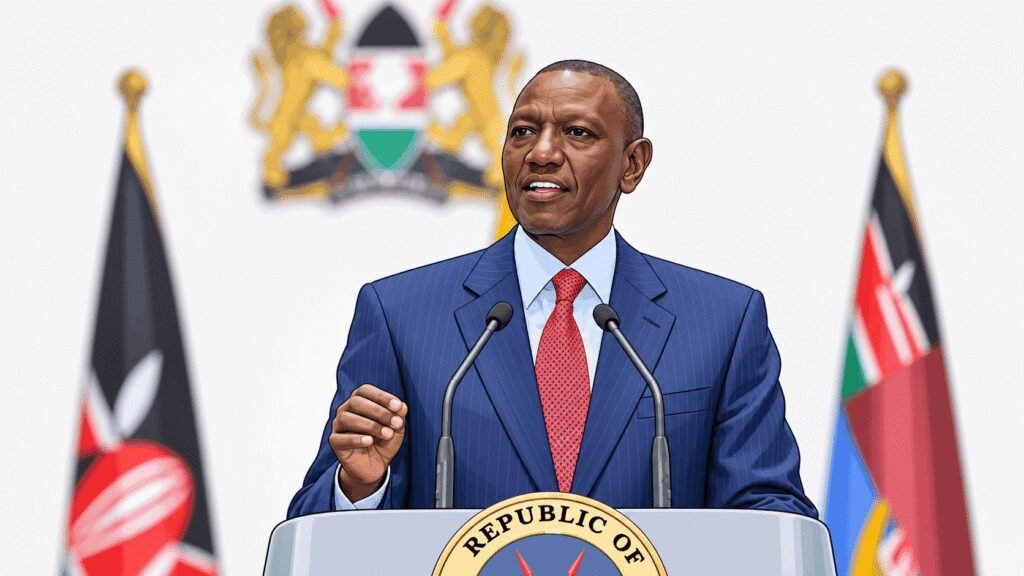
The World Bank warned that delays could weaken the credibility of Kenya’s fiscal framework, Business Daily Africa reported. Kenya’s debt-to-GDP ratio exceeds 70%, according to a Transparency International analysis, while Nigeria’s sits around 32%, the IMF’s Fiscal Monitor projected.
Neither path is cost-free. Kenya’s previous arrangement triggered tax hikes and spending conditions that fueled public protests, Al Jazeera reported. Nigeria’s independence from Fund conditionality has preserved political flexibility, but the IMF’s 2026 Article IV report projected that 53.7% of federal revenue will go toward debt interest this year, BusinessDay reported.
Key figures behind Kenya’s IMF push and Nigeria’s rejection
- Kenya’s previous IMF program expired in April 2025 after it missed 11 of 16 targets (Kenyans.co.ke).
- Kenya’s proposed 2027/28 budget totals Ksh5.323 trillion with Ksh1.321 trillion in borrowing (Kenyans.co.ke).
- Nigeria holds zero IMF debt as of August 2026 after repaying its $3.4 billion facility (The Digger News).
- Nigeria’s debt interest consumes 53.7% of federal revenue in 2026 (BusinessDay).