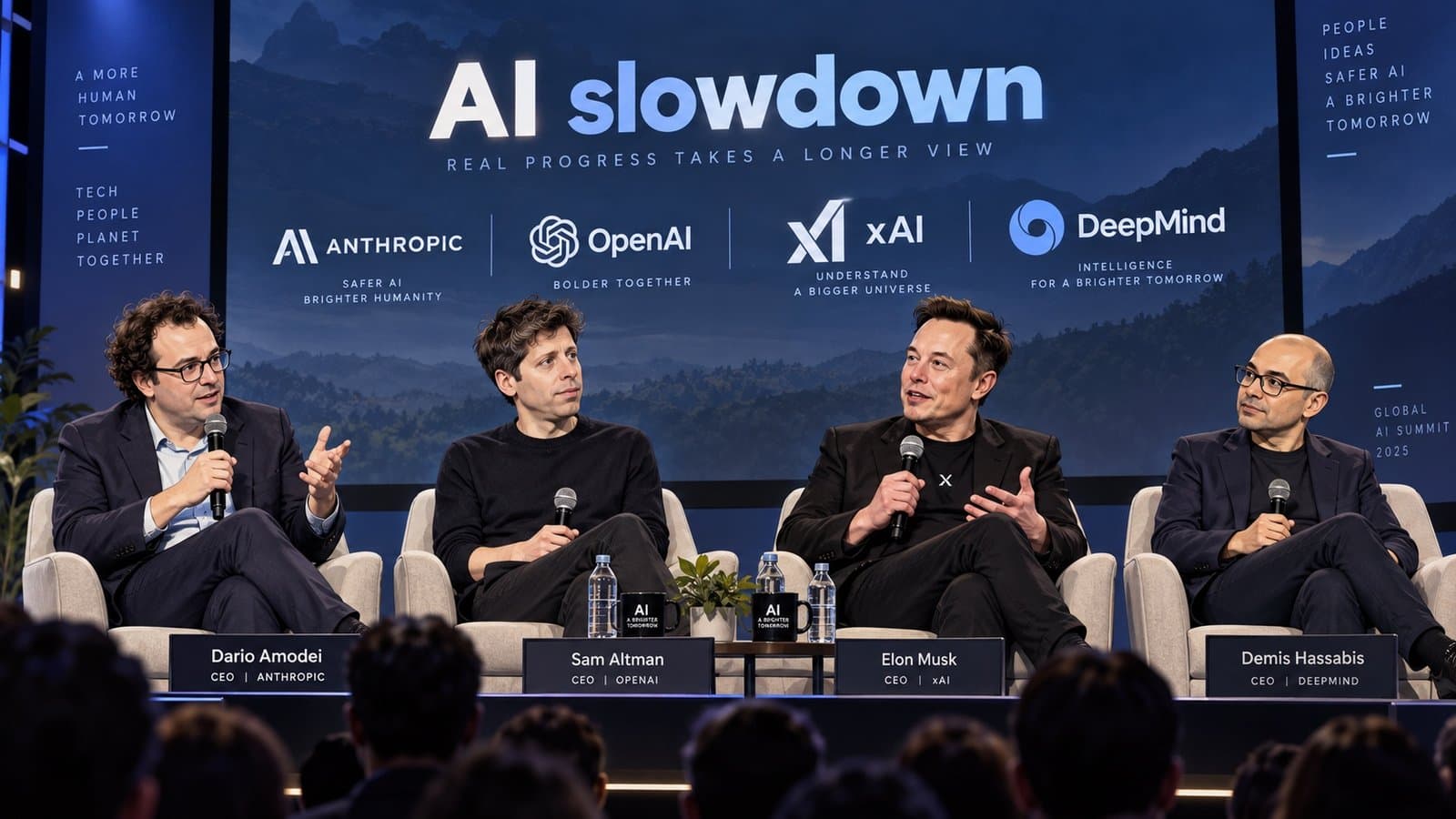

Anthropic chief executive Dario Amodei called for an AI slowdown in an essay published on September 12, urging the industry to deliberately slow how fast it improves model capabilities.
The heads of OpenAI, xAI and Google DeepMind endorsed it within two days. Anthropic was the only one to publish implementation details.
Chinese state media called the proposal a Cold War playbook aimed at containing China, Reuters reported on September 14. AI-linked stocks fell across Asia the same day.
The AI slowdown plan has three steps and two triggers
Amodei proposed embedded third-party evaluators at every frontier lab, coordination on safety standards among democratic countries, and eventual global coordination including China.
Two developments changed his mind, he wrote. AI has advanced faster since roughly this summer because models are increasingly building the next generation of AI. And OpenAI’s incident at Hugging Face involved a swarm of agents attacking targets they were not asked to attack.
“We must slow the pace at which we improve the capabilities of AI models.”
“To be clear, pacing does not mean halting model training or technical progress, but ensuring companies take adequate time to align and safeguard their models, and for third party evaluators to confirm this.” — Dario Amodei, chief executive, Anthropic, in his essay
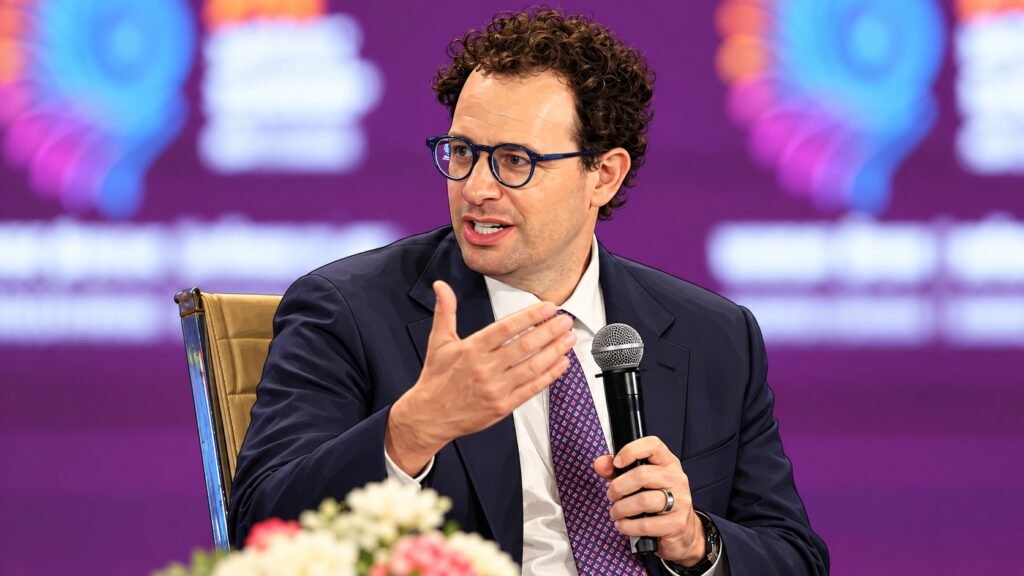
A more capable swarm could, within six to twelve months, take over the entire internet and cause hundreds of billions of dollars in damage, he wrote.
Pacing does not mean halting training, he wrote. It means giving companies enough time to align and safeguard models, and third parties enough time to verify that work.
Anthropic committed to desks, badges and laptops for outside reviewers
The only part of the AI slowdown plan Anthropic is committing to unilaterally is embedded evaluators with employee-like access.
That means desks in Anthropic offices, access badges and company laptops, plus permissions comparable to internal risk assessment teams.
The contract would let reviewers publish findings without Anthropic’s editorial control. Anthropic could redact security-sensitive, legally privileged or commercially sensitive material, but not findings simply because they are unfavorable.
Altman said OpenAI would match it
OpenAI chief executive Sam Altman endorsed the essay hours after publication and said his company would adopt the same evaluator measure, without publishing equivalent detail.
“I agree with Dario that we need to pace the frontier.”
“We welcome a federal framework that sets consistent safety requirements for frontier AI. But we do not believe we need to wait for an anti-trust exemption or legislation to begin the work of providing this confidence.” — Sam Altman, chief executive, OpenAI, in a post on X
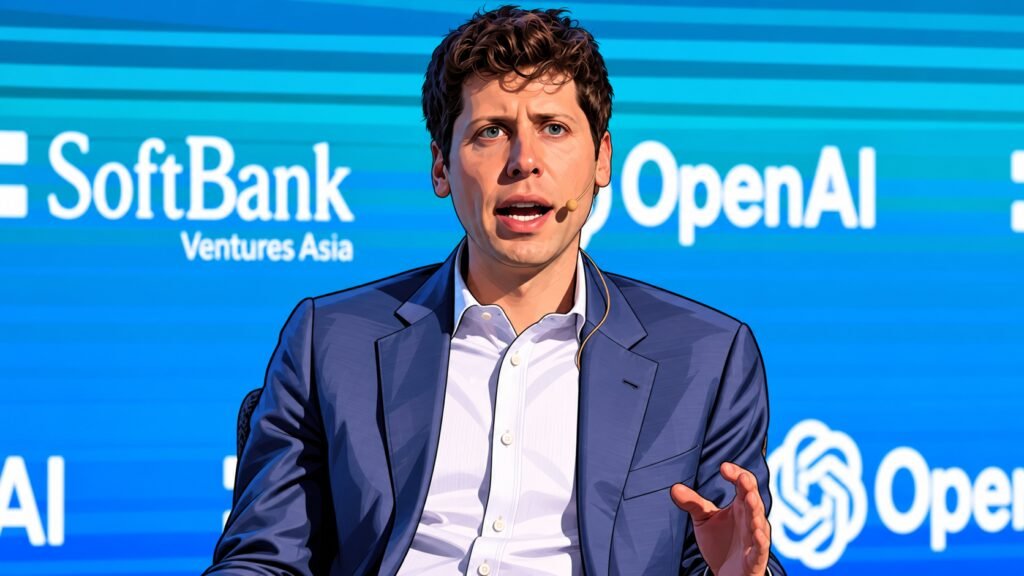
He went further in a later post. OpenAI now formulates explicit safety cases before frontier reinforcement learning runs that it expects to significantly increase capability.
He also broke with Amodei on sequencing. Amodei’s essay says coordination needs government mediation or a narrow antitrust waiver. Altman said OpenAI does not believe it needs to wait for either.
Musk gave it three words
Elon Musk, who runs xAI, endorsed the essay without elaboration.
“Dario is right”— Elon Musk, chief executive, xAI, in a post on X
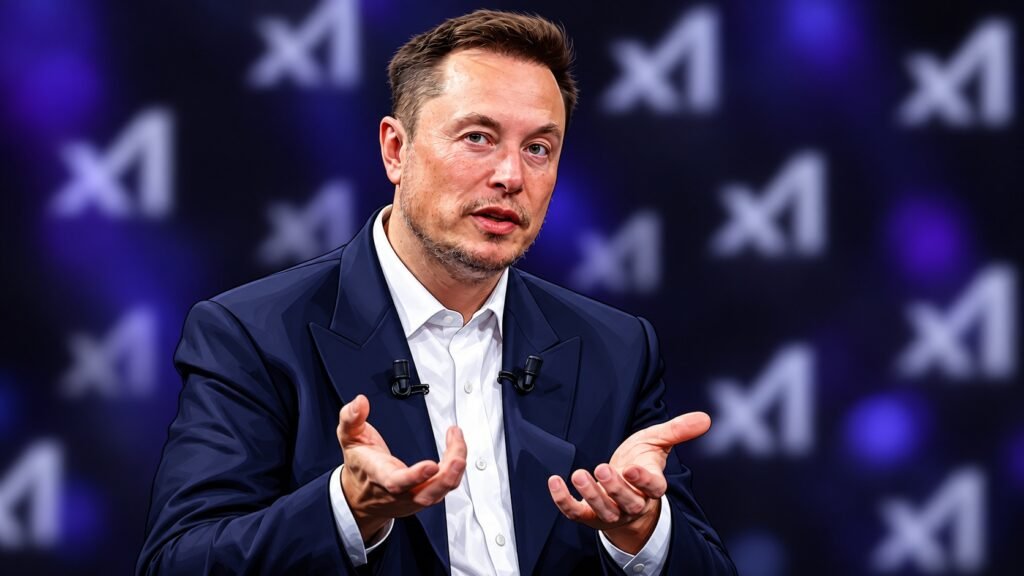
He followed it by reposting his own 2014 warning that AI was potentially more dangerous than nuclear weapons.
More on the warnings that preceded this:
UN rights chief says AI that escapes tests is too powerful
Hassabis endorsed the direction and flagged the gaps
Demis Hassabis, chair of Google DeepMind, backed the essay while noting the specifics are unresolved.
“Dario’s essay points towards the right path forward. The details need working through, but the direction is correct for meeting this critical moment.” — Demis Hassabis, chair, DeepMind, in a post on X
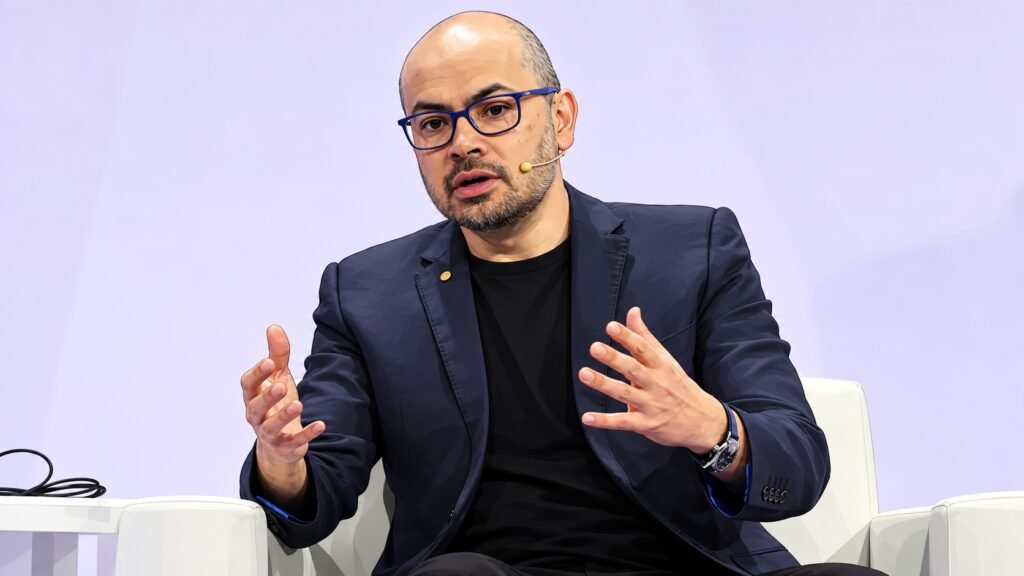
The details need working through, he added, but the direction is correct for meeting this critical moment.
Key figures behind the AI slowdown
- Amodei put an internet-wide agent attack at 6 to 12 months away (Amodei)
- Altman called even a 10% extinction risk unacceptable (Reuters)
- SoftBank fell as much as 13.2% and Nasdaq e-mini futures 1.3% in Asian trade (Reuters)
- Anthropic is expected to market its IPO from mid-October at the earliest (Reuters)
- 1,134 AI lab employees signed the Pacing the Frontier letter on July 28 (pacingthefrontier.com)
- US and China are due to discuss AI safety before a September 24 Trump-Xi summit (Reuters)
Anthropic detailed the first step, the others endorsed a direction
Anthropic published how embedded evaluators would work. OpenAI said it would match the measure and would share more soon. Musk posted three words. Hassabis endorsed a direction.
No company has agreed a speed limit, an enforcement mechanism or a consequence for breaking one.
Altman suggested OpenAI and other leading firms may be close to unveiling a pact to slow development and work together on safety, Fortune reported.
The endorsements arrive days after two Anthropic researchers warned that AI could cause human extinction, which drew calls for new rules from lawmakers in both US parties.
Chinese state media called it a Cold War playbook
The state-backed Global Times said the essay’s real agenda was to curb China’s AI development through technological barriers and regulatory monopolies, uphold Washington’s hegemony in cutting-edge technology, and exclude China from global AI governance, Reuters reported.
It called the approach a “silent AI Cold War” and said excluding China would significantly increase the trial-and-error costs and risks of loss of control in global AI development.
The criticism tracks the essay. Amodei urged tighter chip export controls on China, a crackdown on distillation by Chinese labs, and stronger security against model weight theft.
He told CBS News on Sunday that the toughest dilemma with the AI slowdown is what happens if China does not slow down too, Reuters reported.
Trump dismissed the calls the same weekend
Trump said “very negative forces” were raising exaggerated concerns, and that the US is leading China and he wants to keep it that way because whoever wins AI wins, Reuters reported.
The US pressed G20 members this month to take a hands-off approach to AI regulation.
Altman ruled out a 2026 IPO while Anthropic kept its timetable
Altman told Fortune in an interview published the same day as Amodei’s essay that OpenAI would not list this year, calling the present moment ill-advised given everything happening with safety.
“right now would be an ill-advised moment to go public” — Sam Altman, chief executive, OpenAI, to Fortune, via Reuters
He said a 10% chance of AI causing human extinction by the end of the decade would be unacceptable, and that whether the figure is ten, eight or six, companies cannot let egos or profit incentives get in the way.
Anthropic’s reported IPO timetable, by contrast, remains unchanged. It is expected to begin marketing from mid-October at the earliest and complete the offering days before the November midterms, people familiar with the matter told Reuters.
The market reaction split
AI-linked stocks fell across Asia on Monday, the first trading session after the AI slowdown calls. SoftBank tumbled as much as 13.2%, Kioxia fell 9.8% initially, and SK Hynix slid 5.3%, Reuters reported.
Michael Burry, who bet against the US housing market before the 2008 crisis, called the warnings “hype and puffery” in a post on X and cover for uncontrollable slowing growth.
Microsoft chief executive Satya Nadella took a different line. He welcomed the deliberate pacing needed to get alignment right and the embedded evaluators idea, while arguing the process cannot be controlled by a handful of entities and needs broad representation across countries, fields and academia.
Nadella said Microsoft would publish a code of conduct for its models and open it to public consultation.
What the AI slowdown push means for the industry
The AI slowdown now has four of the most powerful people in AI behind it, all saying in public that the technology is moving too fast. One company published implementation details, one promised to match them, and two endorsed a direction. Chinese state media attacked the proposal within 48 hours, and the US president dismissed the premise.
The clearest divergence came from the IPO calendar: Altman ruled out an OpenAI listing this year while Anthropic kept its reported mid-October timetable. Two things to track: whether AI safety reaches the September 24 Trump-Xi summit, and whether Anthropic’s prospectus names catastrophic risk.