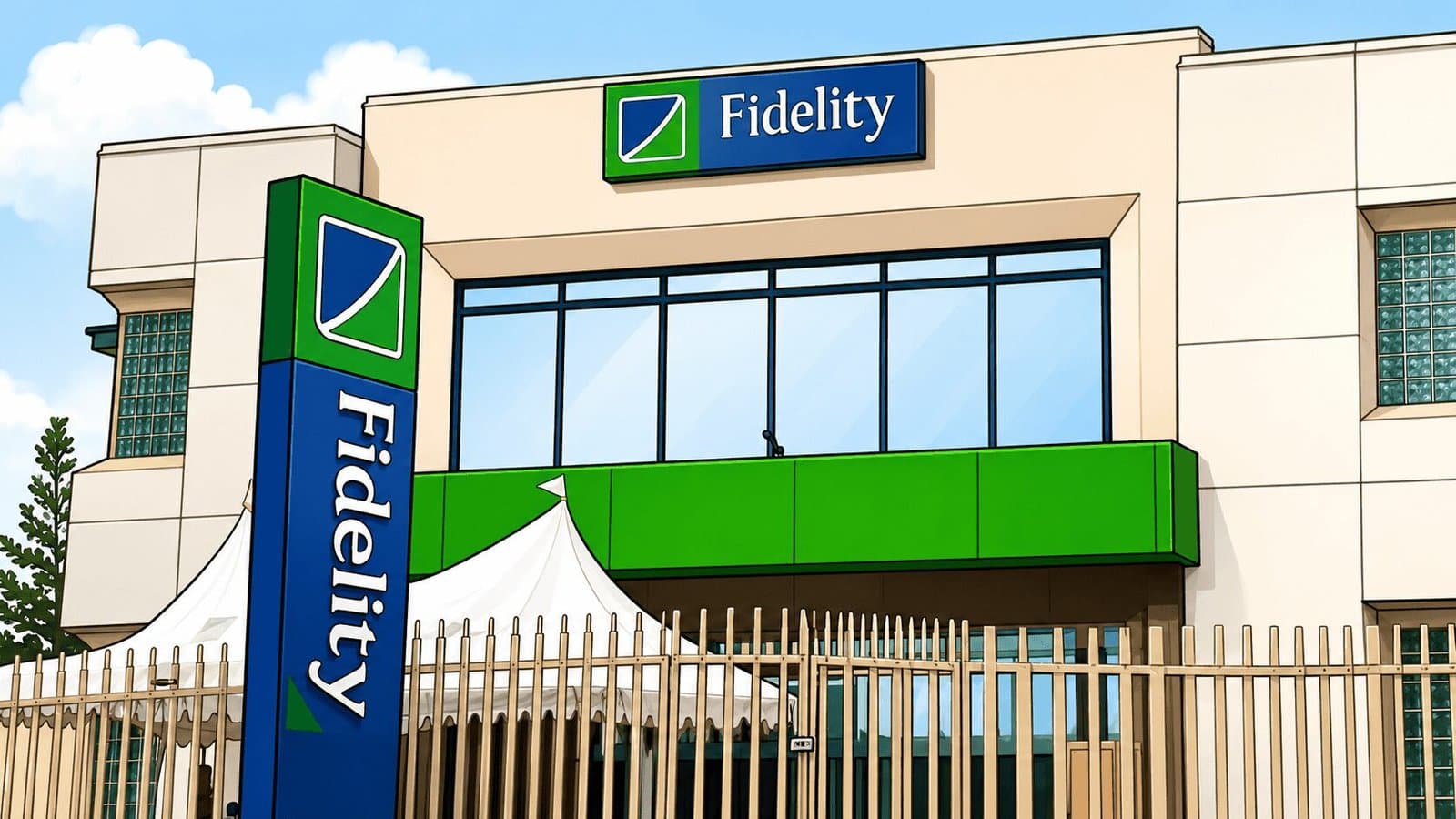

The Nigerian Exchange closed August 21 with its ninth consecutive session of losses, and Fidelity Bank found itself caught in the crossfire. The lender’s shares fell 2.44% to settle at ₦20.00, extending a weekly decline of 6.98% that has outpaced the broader market’s pullback.
That slide is part of a much larger story unfolding across the exchange since the All-Share Index peaked on August 10. Roughly ₦5.9 trillion in combined market capitalization has disappeared over nine trading sessions as investors locked in gains from one of 2026’s biggest rallies.
The selling pressure that began with large-cap profit-taking has now spread across sectors, and banking stocks are absorbing their share of the damage.
Fidelity Bank shares fall as 34 NGX stocks close lower on August 21
The session’s breadth painted a clear picture of a market tilting heavily toward sellers across multiple sectors. A total of 34 stocks declined on August 21, while 23 advanced and 90 closed unchanged, NGX Pulse reported.
Fidelity Bank traded 9.47 million shares during the session, ranking among the more actively traded banking names amid the broad pullback. The stock’s 6.98% weekly decline outpaced the broader market’s roughly 3.7% retreat from the August 10 record, data from NGX Pulse shows.
Other banking heavyweights, including Zenith Bank, GTCO and Access Holdings, also posted losses during the session amid sector-wide weakness, Nairametrics noted. The NGX All-Share Index fell 0.29% to close at 239,351.16 points, dragging market capitalization down to roughly ₦154.53 trillion.
Fidelity Bank’s recapitalization and Q1 earnings tell a stronger story
The recent selloff in Fidelity Bank shares stands in sharp contrast to an otherwise solid fundamental picture for the lender across several measures.
The bank closed a one-day private placement on December 31, 2025 that lifted its eligible capital to ₦564.5 billion, ThisDay reported. That figure comfortably exceeds the Central Bank of Nigeria’s ₦500 billion minimum threshold for internationally authorized commercial banks under the recapitalization directive.
Leading institutional investors, including AFREXIM Bank, participated in the raise, signaling broad confidence in the lender’s growth trajectory and market position.
For the first quarter of 2026, Fidelity Bank posted revenue of ₦434.9 billion, up from ₦315.4 billion in the corresponding period of 2025, StockAnalysis data shows. Two analysts covering the stock maintain a “Buy” rating with an average twelve-month price target of ₦26.99, which implies roughly 35% upside from the August 21 close.
A ₦5.9 trillion correction has rattled NGX investors across sectors
Market capitalization has dropped from a record ₦160.42 trillion on August 10 to ₦154.53 trillion on August 21, a cumulative decline of roughly ₦5.9 trillion, Guardian Nigeria reported. The sell-off has also knocked Nigeria from its position as the world’s best-performing stock market, with South Korea and Ghana now leading global equity returns.
“My major concern is that the sterling performance of the NGX Oil and Gas Index year-to-date has been driven mainly by upstream players. It has been a highly concentrated rally.” — Abiodun Ogunniyi, Head of Research, GTI Capital Limited, in a Q3 sector outlook published before the sell-off began, told Daily Times Nigeria

Banking stocks had entered August as the consensus pick among analysts to lead Q3 2026 performance, but the correction has tested that thesis considerably. The NGX Banking Index fell 1.82% during the week of August 18 alone, with Fidelity Bank among the biggest large-cap decliners, Nairametrics noted.
GTCO results delay adds uncertainty for Nigerian banking investors
Guaranty Trust Holding Company disclosed on August 20 that it received NGX approval to push its half-year 2026 results to September 30. The bank’s board approved the financials on July 28, but the release remains pending regulatory clearance from the CBN, GTI Research reported.
Access Holdings secured a similar extension days earlier, raising broader questions about transparency timelines for tier-one banking earnings this reporting cycle.
Key data from the August 21 NGX session
- NGX ASI close: 239,351.16 points, down 0.29%
- Market capitalization: ₦154.53 trillion
- Cumulative loss since August 10: approximately ₦5.9 trillion
- Fidelity Bank (FIDELITYBK) close: ₦20.00, down 2.44% (weekly decline: 6.98%)
- Market breadth: 23 gainers, 34 losers, 90 unchanged
- Top gainer: RTBRISCOE, up 9.63% to ₦11.95
- Top loser: INTENEGINS, down 10.00% to ₦3.87
Despite the correction, Cordros Capital expects investors to continue accumulating fundamentally sound equities ahead of this quarter’s half-year earnings releases, Nairametrics reported. The firm cautioned that elevated Treasury bill yields will continue to compete with equities for investor capital through the remainder of 2026.
Chief Blakey Ijezie, founder of Okwudili Ijezie & Co, previously flagged Fidelity Bank among the banking names to watch closely heading into Q3, citing strong capital positions and dividend prospects as key catalysts for the sector, Nairametrics noted.