
Three years ago, Nigeria had fewer than 5,000 vehicles running on compressed natural gas and barely seven conversion centers nationwide.
The numbers today tell a sharply different story, and the federal government is betting billions more on what comes next. More than $2 billion in total investment has flowed into CNG infrastructure since the Presidential CNG Initiative launched in 2023, including over $491 million in direct private-sector commitments, ThisDay reported.
You might expect that scale of investment to transform how Nigerians move and what they pay for public transportation. Yet bus fares keep climbing, and millions of commuters across Lagos, Abuja, and smaller cities are still waiting for meaningful relief.
The disconnect between surging capital inflows and stubbornly high transport costs raises pointed questions about what CNG has actually delivered.
Nigeria’s CNG network surges past 120,000 vehicle conversions
More than 120,000 vehicles now run on compressed natural gas through over 400 certified conversion centers and 90 refueling stations spanning 23 states, Minister of State for Petroleum Resources (Gas) Ekperikpe Ekpo confirmed in a statement reported by ThisDay. The figures represent an update from the Pi-CNG 2026 Term Report, which recorded 337+ centers as of January 2026.
The program has trained over 7,700 automotive technicians and generated more than 10,000 jobs across the CNG value chain, Ekpo said. It also deployed 655 CNG buses and 5,123 CNG tricycles for public and commercial transport routes nationwide.
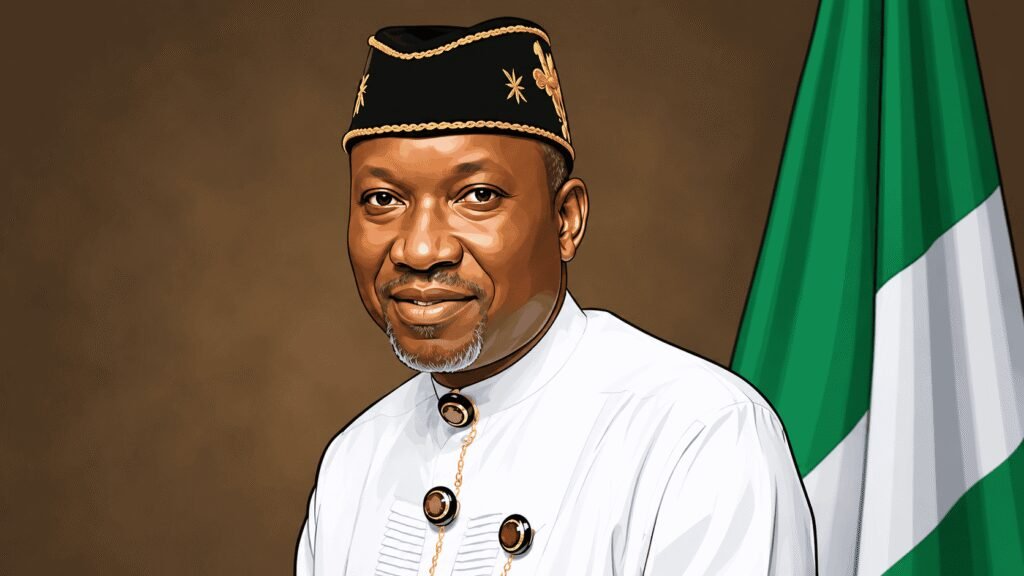
President Bola Tinubu recently directed the construction of 500 additional refueling stations, bringing the planned national network to 1,000 total. That target would expand the network from 90 stations to 1,000, a dramatic scale-up from the current footprint across the country.
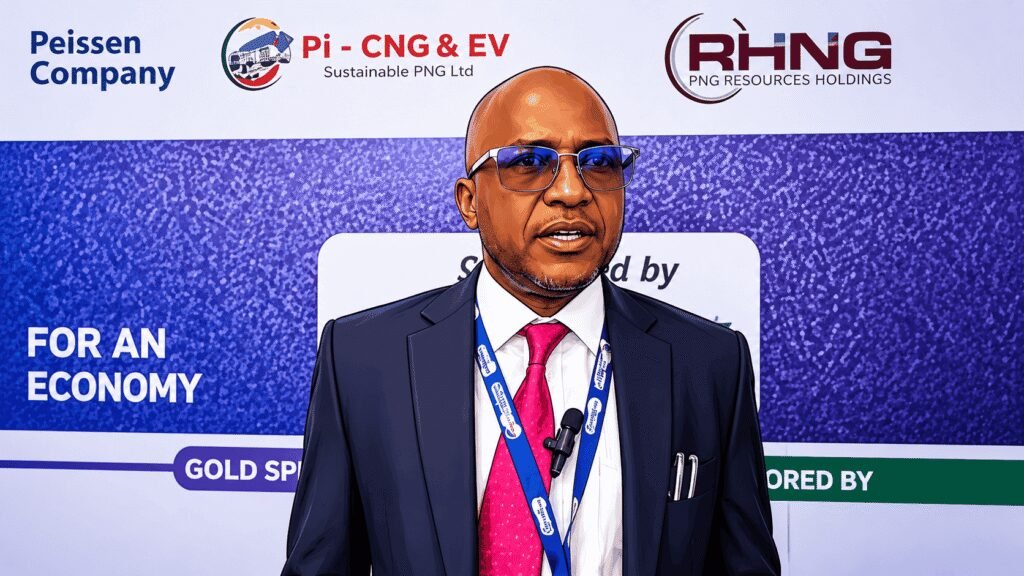
“From our perspective, driving the industry, I believe we are on the right track,” said Olayinka Rufai, Pi-CNG’s strategic project adviser, at the 2026 West Africa Automotive Show, Daily Trust reported.
Post-subsidy fuel shock pushed Nigeria toward CNG at scale
When Tinubu removed the petrol subsidy in May 2023, gasoline prices more than tripled within days and transport fares surged across the country. The CNG program became the government’s primary tool for cushioning the economic fallout from that shift.
Key CNG program milestones since the 2023 launch
- $2 billion+ in total investment secured for CNG infrastructure and value-chain development, including $491 million+ in private-sector capital
- 120,000+ vehicles converted from petrol to compressed natural gas through certified centers nationwide
- 655 CNG buses and 5,123 CNG tricycles procured and deployed for public and commercial transport
- 1,000 refueling stations now targeted after Tinubu’s directive for 500 additional stations to be constructed
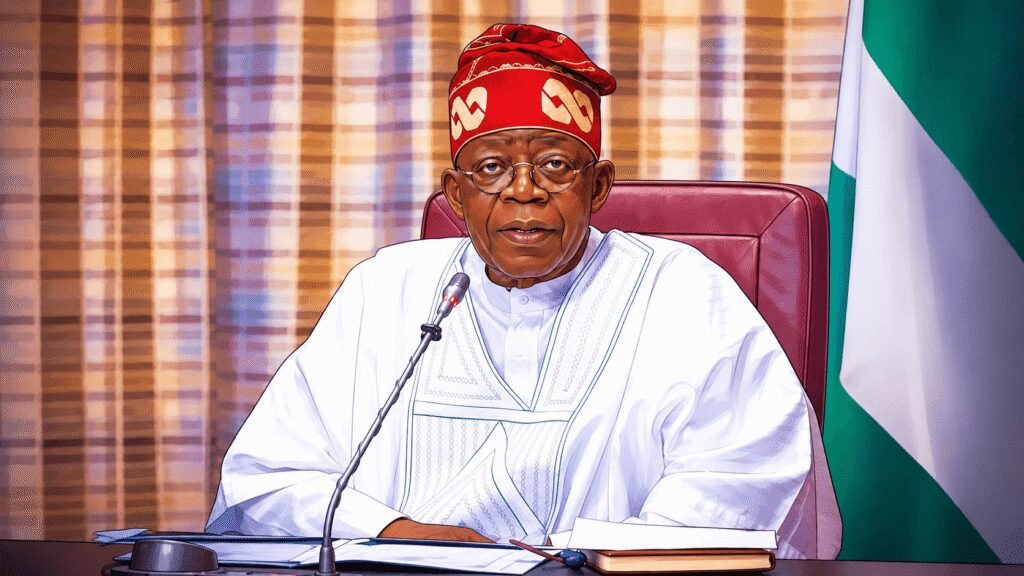
A vehicle running on CNG spends between 60% and 80% less on fuel than a petrol-powered equivalent, Tinubu stated after meeting the Nigeria Governors’ Forum on August 27, PRNigeria reported. One traveler reported cutting monthly fuel spending from over ₦200,000 to roughly ₦40,000 after converting, Pegasus Reporters noted.
Cheaper CNG fuel has not translated into lower fares for riders
Despite the significant savings that CNG offers drivers, Nigerian commuters have not seen proportional relief at the fare counter in most major cities. Average inter-city bus fares reached ₦9,699 in May 2026, climbing 21.89% from a year earlier, National Bureau of Statistics data showed.
Engr. Zayyanu Tambari, Pi-CNG’s chief compliance officer, attributed the fare gap to weak competition among converted vehicles on common routes. Without enough gas-powered vehicles concentrated on the same corridors, drivers face little pressure to lower fares, he explained at the 2026 Nigeria Gas Safety Conference, PM Express reported.
Rural and semi-urban communities face an even steeper barrier to accessing CNG’s benefits than urban commuters do across major cities.
“Rural and semi-urban communities have limited access to CNG stations,” said Emmanuel Kilaso of the Securecycle Environmental and Climate Change Initiative, TriplePundit reported.
Tinubu sets October 1 deadline for Nigerian transport fare cuts
The administration is now applying political pressure to close the gap between CNG savings and passenger fare prices across the country. Tinubu and all 36 state governors agreed on August 27, 2026, to coordinate immediate steps toward reducing public transport fares, PRNigeria reported.
Rufai, however, flagged financing as the biggest obstacle between CNG’s current momentum and the mass adoption needed to force fares lower.
“The scale we need to drive this revolution is such that many of the people we are bringing on board will have financial challenges,” he stated at the West Africa Automotive Show, Daily Trust reported.
The government responded partly by launching the Credit Access for Light and Mobility Fund, a ₦10 billion financing initiative organized by MOFI in partnership with CREDICORP and Pi-CNG. The program targets commercial drivers and fleet operators who cannot currently afford the upfront cost of vehicle conversion.
What Nigeria’s CNG expansion means for commuters and operators
Nigeria’s CNG program has attracted more than $2 billion in total investment and converted tens of thousands of vehicles, but its benefits remain unevenly distributed. The 1,000-station target and October 1 fare reduction deadline will test whether CNG can deliver on its core promise of cheaper transport for ordinary Nigerians. Drivers are saving on fuel, yet commuters still pay more because CNG-powered vehicles lack the density needed to force fares down on key routes. The financing gap for fleet operators and the limited reach of refueling stations outside major cities remain the program’s biggest structural challenges heading into 2027.