
You open your phone, download a lending app, and within minutes someone offers you ₦50,000 with no collateral required. That speed feels convenient until you realize you cannot confirm whether the platform lending you money operates legally.
Nigeria’s digital lending industry has grown rapidly, but confusion persists about belong on a legitimate CBN approved loan apps list. Many borrowers assume the CBN handles everything, when two separate agencies actually share the job.
The FCCPC and CBN jointly approved 457 digital lending platforms to operate legally across Nigeria as of mid-2026, BrandSpur reported. Another 35 hold conditional approval, while 103 unregistered apps sit on a watchlist facing sanctions including delisting and prosecution.
How CBN and FCCPC split oversight of regulated loan apps in Nigeria
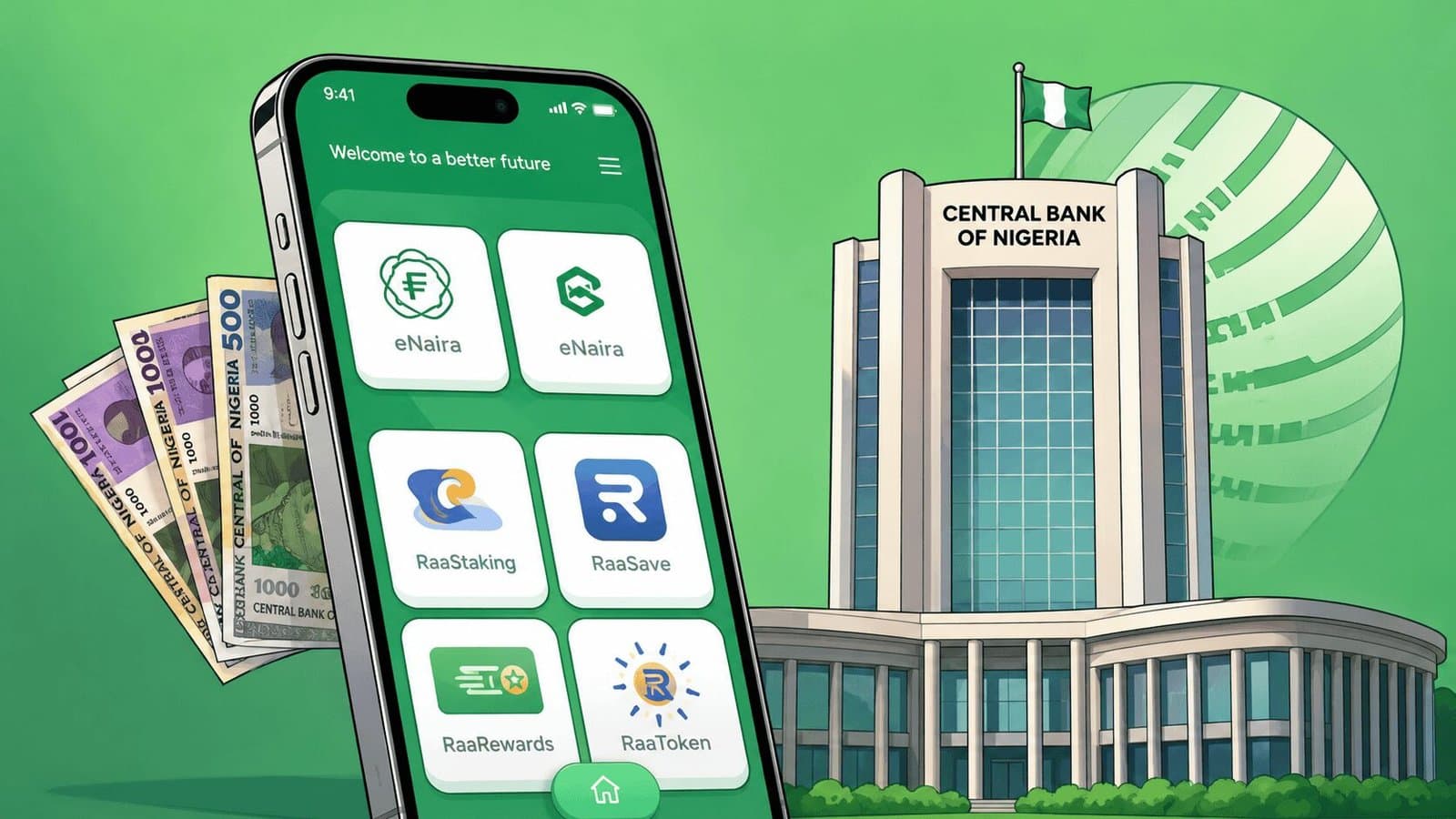
The Central Bank of Nigeria licenses microfinance banks and other financial institutions under the Banks and Other Financial Institutions Act, 2020. The FCCPC registers consumer-facing digital lending apps through its DEON Consumer Lending Regulations, which took effect in July 2025.

More from FinanceTracked:
- Best loan apps in Nigeria 2026 without collateral
- Aradel Holdings proposes ₦23 dividend ahead of July AGM
Apps owned by CBN-licensed microfinance banks can apply for a CBN waiver from full FCCPC registration, though they must still submit required forms and documentation to the Commission. These MFB-backed platforms fall under banking regulations and are considered the most stable digital lending category.
Lenders not tied to any MFB must register directly with the FCCPC. In 2026, regulated lenders fall into four categories: full approval, conditional approval, CBN waiver for MFB-backed apps, and watchlist.
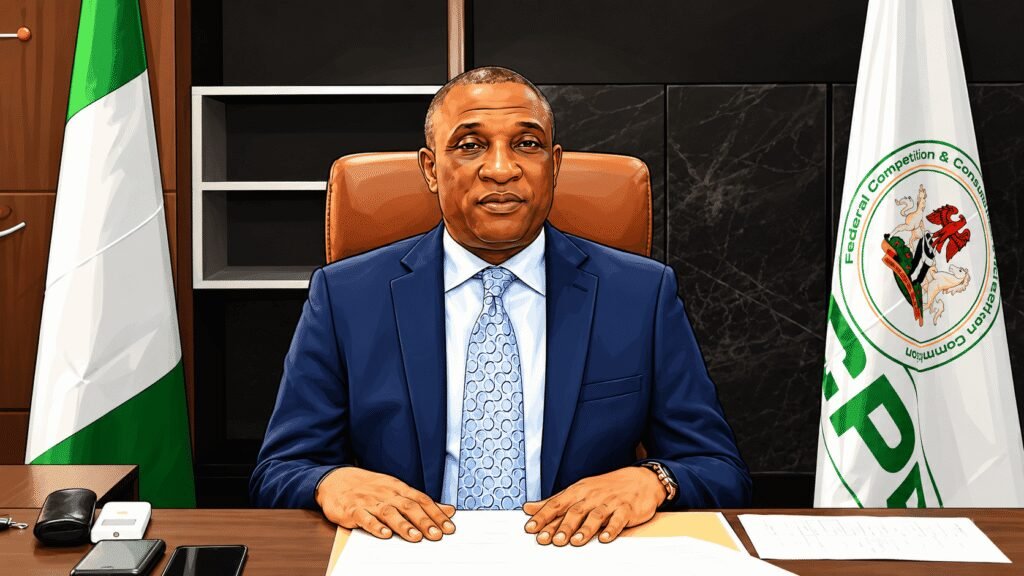
FCCPC Executive Vice Chairman/Chief Executive Officer Tunji Bello framed the stakes clearly when the DEON regulations were announced in September 2025.
“For too long, Nigerians have endured harassment, data breaches, and unethical practices by unregulated digital lenders. These regulations draw a clear line that innovation is welcome, but not at the expense of rights and dignity of consumers, or the rule of law.” — Tunji Bello, FCCPC Executive Vice Chairman/Chief Executive Officer, via FCCPC
The January 5, 2026 compliance deadline brought all app-based and online lenders under a unified regulatory framework. Any platform that failed to meet updated capital and data privacy standards faces potential delisting from Google Play and Apple’s App Store.
CBN-licensed microfinance banks that operate MFB loan apps
Several of Nigeria’s most popular loan apps operate under full banking licenses the Central Bank of Nigeria issues to microfinance banks. These MFB loan apps typically offer higher limits and lower rates because well-capitalized institutions back them.
Key CBN-licensed MFB loan apps operating in Nigeria
- FairMoney Microfinance Bank: Over 10 million Google Play downloads, registered with CAC and licensed by the CBN, SubBase confirmed.
- Carbon (formerly Paylater): Holds a CBN microfinance bank license, offering loans, savings, and bill payment services to consumers.
- Branch International: Operates as Branch Microfinance Bank under a CBN license, providing personal loans to qualifying borrowers across Nigeria.
- Kuda Microfinance Bank: Upgraded to a national microfinance bank license in 2026, now serving over 7 million active app users.
- OKash: Developed by Blue Ridge Microfinance Bank, a CBN-licensed entity recognized for quick consumer loan disbursement.
- Moniepoint Microfinance Bank: Processed over ₦412 trillion in payments during 2025 and financed more than ₦1 trillion in business loans, TechCabal reported.
The CBN revoked operating licenses for 46 microfinance banks effective July 1, 2026, for failing to meet regulatory requirements, Channels Television reported. Borrowers using any MFB-backed loan app should verify their bank’s current license status through the CBN website.
FCCPC-approved digital money lenders with full clearance in 2026
Digital money lenders not owned by microfinance banks must register with the FCCPC before offering loans. These companies secured approval by submitting corporate documents, data protection reports, and evidence of ethical practices, Lendsqr explained.
FCCPC-registered digital money lenders (2026)
- QuickCheck: Full FCCPC approval, designed for first-time borrowers needing emergency funds without collateral or extensive paperwork.
- Aella Credit: Focused on financial inclusion with competitive rates and full FCCPC clearance for digital consumer lending services.
- EaseMoni: FCCPC-registered for small to medium personal loan amounts disbursed through its mobile lending application.
- Renmoney: Provides personal and small business loans up to ₦6 million with flexible repayment terms and no collateral.
- Migo: Partners with banks and telcos for point-of-sale lending, holding FCCPC registration for digital credit operations.
The FCCPC maintains a live database of every approved lender on its official approvals portal, where the full list is published and regularly updated for public access.
How to verify any loan app’s regulatory status before you borrow
Before entering your BVN or bank details into any lending app, confirm its regulatory status through official channels. Visit the FCCPC registration page at fccpc.gov.ng to check whether the app holds full, conditional, or watchlist status.
For MFB-backed apps, verify the bank’s license through the CBN portal, which lists all currently licensed financial institutions. Check that the developer name on Google Play or Apple’s App Store matches the registered company name.
Red flags that signal an unregulated loan app
- The app requests access to your contact list, gallery, or SMS logs before approving any loan application or displaying terms.
- No verifiable physical office address in Nigeria appears in the app listing, website, or corporate registration filings.
- The app displays no FCCPC certification badge, license number, or reference to its regulatory registration status.
- Interest rate structures remain unclear, with no upfront breakdown of total repayment costs or fees before disbursement.
Any lender caught contacting a borrower’s friends or family about outstanding debt violates 2026 enforcement rules and risks license revocation. The DEON regulations prohibit pre-authorized lending and require transparent terms before disbursing funds.
What borrowers can do when a regulated loan app violates their rights
Borrowing from a regulated lender gives you formal complaint channels that unlicensed platforms lack. The FCCPC complaint email lenderstaskforce@fccpc.gov.ng handles reports of harassment, data misuse, hidden charges, and defamatory recovery tactics.
For MFB-backed apps, borrowers can file disputes with the CBN’s consumer protection division. The FCCPC has strengthened its resolution mechanisms in 2026 and investigates violations with sanctions including fines and revocation, BrandSpur noted.