
The Nigerian Exchange has now shed nearly ₦5.9 trillion in market value since the All-Share Index peaked on August 10. That loss exceeds the individual market capitalization of all but six companies listed on the entire exchange, gone in under two weeks.
Yet in the middle of that selloff, one heavyweight name broke rank on August 21, 2026, when Aradel Holdings jumped 5.71% in a single session. The integrated energy conglomerate had been one of the correction’s biggest casualties, losing 9.99% on August 19 and 5.40% on August 20.
Whether that bounce signals a turning point or merely a brief exhale in a market still searching for a floor remains the question you should be tracking. Beneath the surface, the answer is more complicated than a single stock’s daily price move would suggest.
Aradel Holdings bounces while the broader NGX keeps sliding
Aradel Holdings closed at ₦1,374.20 on August 21, gaining 5.71% from its previous close of ₦1,300.00, NGX Pulse data showed. The oil and gas conglomerate had dropped 5.40% on August 20 and plunged 9.99% on August 19, making the single-day recovery a striking reversal.
The broader market did not follow the energy heavyweight’s lead during the session, extending its losing streak to nine consecutive trading days. The NGX All-Share Index fell 0.29% to close at 239,351.16 points, shedding 686.64 points and pushing total market capitalization down ₦443.32 billion to ₦154.53 trillion, NGX Pulse reported.
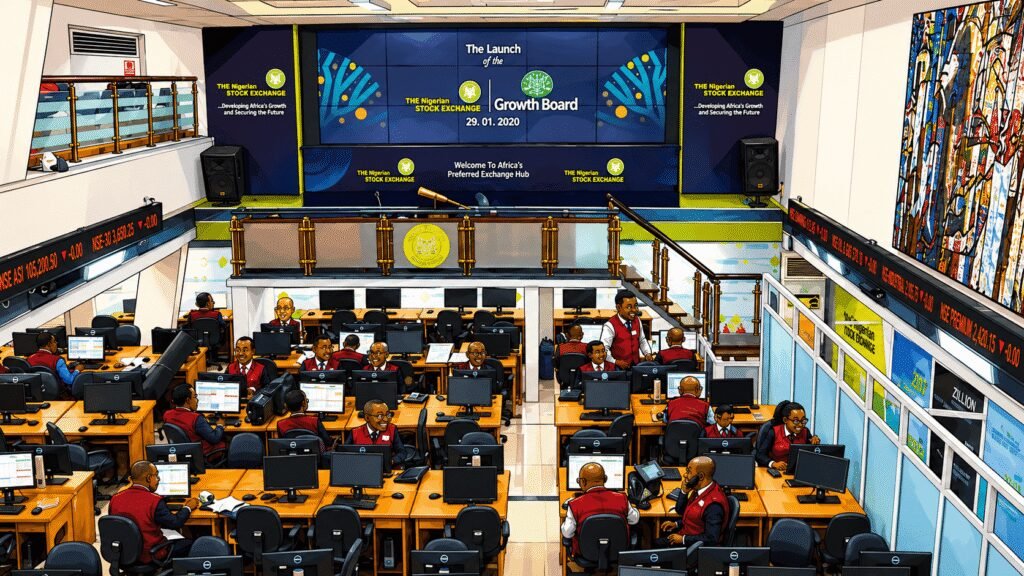
Market breadth remained negative, with 34 stocks declining against 23 gainers and 90 names closing unchanged across the exchange. RT Briscoe led the day’s gainers with a 9.63% advance to ₦11.95, while International Energy Insurance hit the maximum 10% daily loss limit.
Nine sessions of selling have erased nearly ₦5.9 trillion from the NGX
The correction began on August 11, one day after the ASI touched 248,529.75 points and market capitalization crossed the ₦160.42 trillion mark for the first time. Both figures had represented all-time highs for the Nigerian Exchange, driven by strong gains in banking and energy stocks during the first half of 2026, Nairametrics reported.
Since that peak, the ASI has fallen roughly 3.7%, and total market capitalization has contracted by approximately ₦5.89 trillion to ₦154.53 trillion as of August 21. Energy stocks have absorbed the heaviest selling, with the NGX Oil and Gas Index declining roughly 7% between August 14 and August 20, before Aradel’s rebound partially reversed the drop on August 21, the report noted.
Market analysts have characterized the pullback as a healthy adjustment after a historic first-half rally that lifted the ASI by 47.43% between January and June 30, BusinessDay reported. Insurance and banking counters have also faced sustained pressure, while selective buying in consumer goods names has helped moderate the broader decline.
GTCO, Zenith Bank, and Access Holdings delay H1 2026 results
The selloff has coincided with an unusual reporting gap across three of Nigeria’s largest banking groups, each pushing their earnings deadlines into late September or October. Guaranty Trust Holding Company’s board approved its H1 2026 numbers on July 28, but the results remain pending Central Bank of Nigeria clearance, GTI Research reported.
The NGX moved GTCO’s filing deadline to September 30, while Zenith Bank received a similar extension to October 9, Economy Post confirmed. Access Holdings also secured a September 30 deadline, with all three lenders citing the need for regulatory approval before publishing the results.
CBN-related filing delays are not new to these banks, as Access Holdings sought similar extensions in 2025, and both GTCO and Zenith Bank experienced comparable regulatory holds on prior reporting cycles, The Rio Times noted. The timing, however, creates a vacuum of fresh earnings data just as investors are reassessing whether current valuations can hold up against the correction.
“We expect domestic participation to remain strong over the rest of the year, supported by sustained institutional inflows, improving macroeconomic conditions, and attractive equity valuations.” — Meristem Securities research analysts, H2 2026 equities outlook, as reported by BusinessDay
Key numbers from the August 21 trading session
- ASI close: 239,351.16 points, down 0.29%
- Market capitalization: ₦154.53 trillion, down ₦443.32 billion
- YTD return: approximately 54%
- Cumulative loss since August 10: approximately ₦5.89 trillion
- Top gainer: RT Briscoe, up 9.63% to ₦11.95
- Top loser: International Energy Insurance, down 10.00% to ₦3.87
- Market breadth: 23 gainers, 34 losers, 90 unchanged
- Total volume: 398.30 million shares across 36,265 deals
Source: NGX Pulse, NGX Daily Official List for August 21, 2026.
What the NGX correction signals for investors heading into September
Despite the sustained selling pressure, the Nigerian equities market remains firmly in positive territory for 2026, with year-to-date returns hovering near 54%. Elevated Treasury bill and bond yields will continue competing with equities for investor capital through the rest of the quarter, Cordros Capital cautioned in its Q3 outlook, Nairametrics reported.
Banking, industrial goods, and telecommunications are the sectors most likely to outperform during the third quarter, GTI Capital Head of Research Abiodun Ogunniyi indicated, Daily Times reported. Nigeria’s potential reintegration into the FTSE Russell frontier index review in September could also reignite foreign portfolio inflows into listed equities.