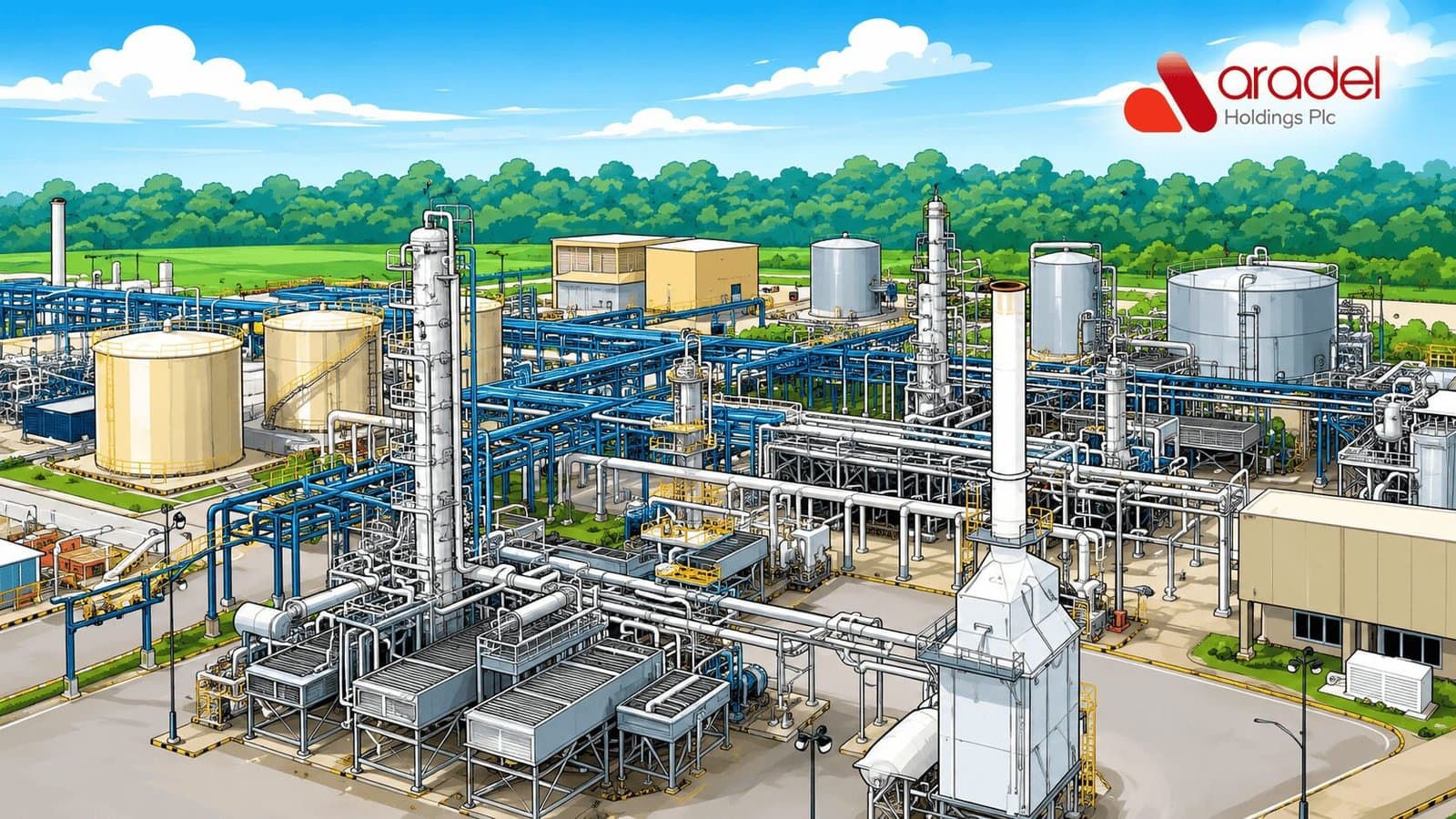

One of Nigeria’s largest listed oil and gas companies opened trading on August 11 at ₦1,526.80 and never recovered. By the time the closing bell rang on the Nigerian Exchange, Aradel Holdings had lost roughly 10% of its opening value in one of the stock’s sharpest single-session declines in recent weeks.
The energy conglomerate, which surged more than 200% from its January opening price of ₦670 to a peak of ₦2,024, closed at ₦1,374.20 on August 11. That closing price sits more than 32% below the 52-week high, though the stock still remains up more than 100% year to date.
If you own shares in Aradel or have been watching this stock closely, the drop raises urgent questions about what is driving the slide. The company’s fundamentals tell one story, but the trading data from the NGX’s daily official list tells a different one entirely.
Aradel Holdings drops to ₦1,374 as the NGX Oil and Gas Index faces pressure
The NGX daily official list for August 11 shows Aradel opening at ₦1,526.80 and closing at ₦1,374.20, a decline of ₦152.60 per share. Only 50 shares changed hands during the session, suggesting the drop was driven by a thin order book where even modest selling pressure can move prices significantly.
Aradel was not alone in bleeding red on August 11. Geregu Power fell from ₦825.70 to ₦743.20, slipping below its own 52-week floor, while Conoil dropped from ₦210 to ₦189 and TotalEnergies Marketing Nigeria retreated from ₦640 to ₦576, the NGX daily official list showed.
Abiodun Ogunniyi, Head of Research at GTI Capital Limited, flagged the concentration risk in the NGX Oil and Gas Index earlier in July.
“My major concern is that the sterling performance of the NGX Oil and Gas [Index] YTD has been driven mainly by upstream players. It has been a highly concentrated rally,” Ogunniyi said, Nairametrics reported.

Insider share sales and a 32% retreat from the 52-week high
The August 11 drop is part of a longer slide that has erased roughly a third of Aradel’s value since it touched ₦2,024 per share. The stock has since given back a substantial portion of those gains, closing the session at its lowest point in months.
Adding to the pressure, two senior Aradel executives offloaded more than 8.53 million shares worth ₦10.9 billion in late June. Titilola Omisore, the company secretary and group general counsel, sold 5 million shares at an average price of ₦1,275 each, while Temitayo Ogunbanjo, general manager of the refinery division, disposed of 3.53 million shares at ₦1,282.50 per share, BusinessDay reported.

The filings did not disclose the reasons for those transactions, but the timing is difficult to ignore for investors watching the stock. Both sales were completed on June 25 and disclosed in early July, right as the stock was entering the steepest leg of its decline.
Aradel’s Q1 2026 earnings grew 252%, but the stock still slid
The disconnect between Aradel’s share price and its financial results has become one of the most puzzling stories on the Nigerian Exchange this year. The company reported first-quarter 2026 revenue of ₦728.5 billion, a 264% increase from the same period a year earlier, with profit after tax jumping 252% to ₦120.3 billion, African Financials confirmed.
That growth was fueled largely by the full-quarter consolidation of ND Western Limited, in which Aradel acquired an additional 40% interest in 2025, and increased exposure to Renaissance Africa Energy Company. The group’s total assets expanded by 466% to ₦9.9 trillion by the end of FY 2025, Aradel’s audited 2025 financial statements, published on June 19, indicated.
In his analysis of the company’s FY 2025 results, Qudus Adebara, a research analyst at DLM Capital Group, noted that the company’s scale, asset depth, and cash-generating capacity positioned it for sustained long-term value creation, even as leverage and earnings normalization remained key watch points for investors, Simply Wall St reported.
How the broader NGX Oil and Gas Index rally concentrated in two stocks
Aradel’s troubles carry implications for anyone with exposure to Nigerian energy stocks on the exchange. The NGX Oil and Gas Index surged approximately 97% year to date through mid-July, but that entire rally was concentrated almost exclusively in Aradel and Seplat Energy, Nairametrics noted.
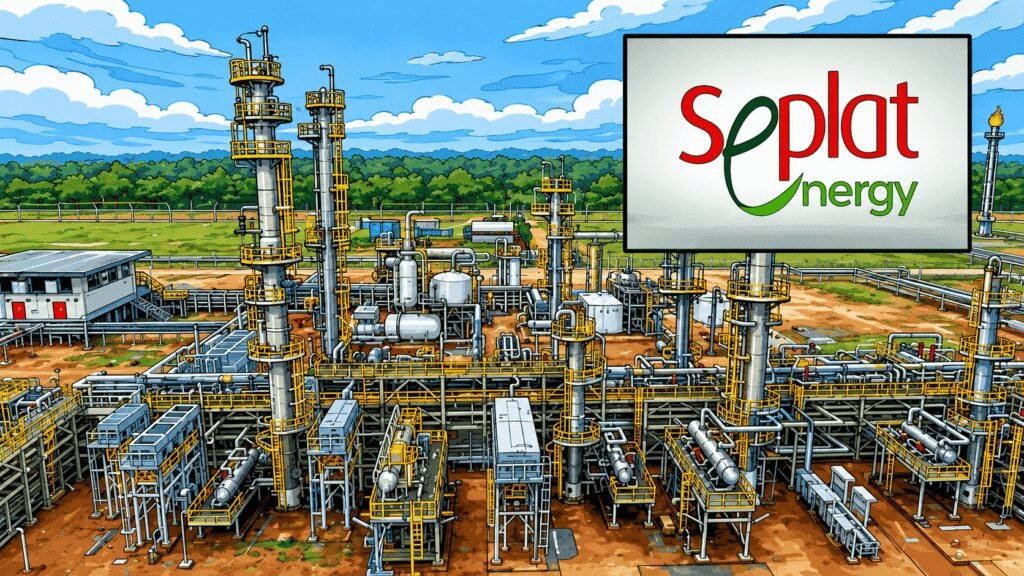
That concentration makes the index vulnerable to exactly the kind of single-stock decline Aradel experienced on August 11. When one of only two names carrying an entire sector index drops 10% in a day, the ripple effect extends well beyond that individual ticker.
Key data points from the August 11 trading session
- Aradel Holdings opened at ₦1,526.80 and closed at ₦1,374.20, a drop of approximately 10%
- Only 50 shares traded during the session, indicating low liquidity behind the move
- The stock now sits 32% below its 52-week high of ₦2,024, per NGX official data
- Insider share sales totaling ₦10.9 billion were disclosed in July 2026, BusinessDay reported
- Q1 2026 revenue hit ₦728.5 billion, up 264% year over year, per African Financials
What Aradel Holdings investors should watch through Q3 2026
The stock’s trailing price-to-earnings ratio stood at roughly 7.8x based on the most recent available data, well below the African oil and gas industry average of 19x, Simply Wall St data indicated. That valuation gap suggests the market is pricing in risks that the headline earnings numbers alone do not capture, including elevated leverage and a debt-to-equity ratio of 0.94, Stock Analysis data showed.
Ogunniyi of GTI Capital cautioned that renewed investor interest in oil and gas stocks may not gather meaningful momentum until the fourth quarter of 2026. For Aradel holders, that timeline means the stock could face additional pressure before any catalyst arrives to shift sentiment in a more favorable direction.