

Nigeria ended May 2026 with $49.58 billion in external reserves, a figure that seemed improbable when the country’s foreign exchange cushion sat at roughly $32 billion in mid-April 2024. The turnaround has been dramatic, with reserves climbing more than $17 billion in roughly 25 months.
For everyday Nigerians, the numbers translate into a more stable naira, stronger import coverage, and reduced vulnerability to external shocks. The naira closed May at N1,372 per dollar, a notable improvement from the N1,585.50 rate recorded in May 2025.
Yet behind the optimism lies a sharp disagreement between Nigeria’s central bank and the world’s most influential credit rating agencies. That tension could shape the country’s economic trajectory for the rest of 2026.
CBN reserves added $1.22 billion in May as the $50 billion line approaches
Nigeria’s gross external reserves climbed from $48.36 billion on April 30 to $49.58 billion by May 29, 2026, according to data from the Central Bank of Nigeria. That 2.5% monthly gain reversed a difficult stretch in which reserves shed roughly $855 million between April 1 and May 7, Nairametrics reported.
The May recovery pushed reserves to one of the strongest positions in over a decade, surpassing levels not seen since mid-2013. Reserves had peaked at $50.45 billion in February before slipping through March and April under pressure from external debt payments.
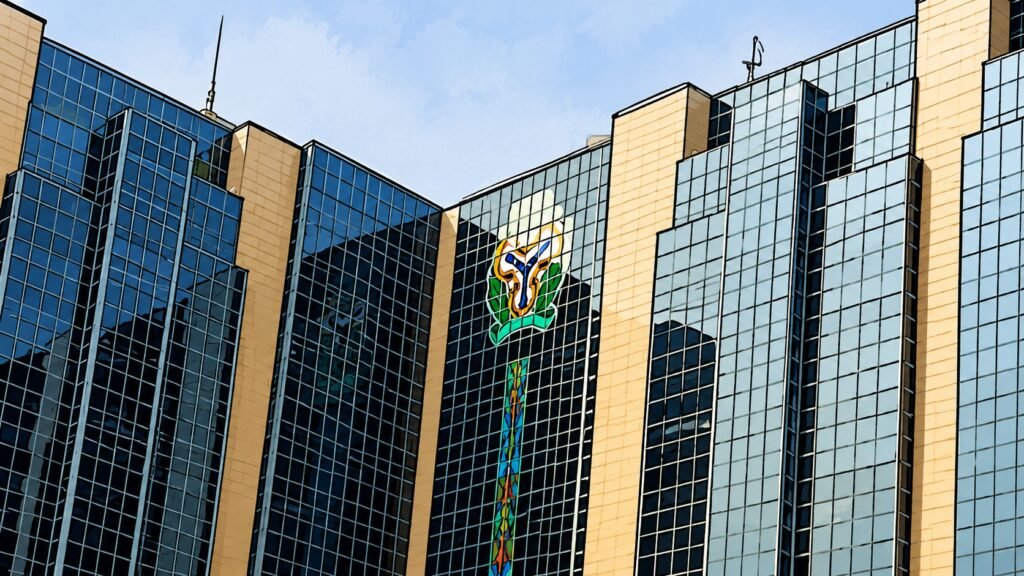
Ayodele Akinwunmi, chief economist at United Capital Plc, said the reserve accumulation should help maintain exchange rate stability and support investor appetite for naira assets, BusinessDay reported. The reserve position now covers approximately 9.04 months of imports, well above the ‘B’ category median of 4.3 months.
Reserves rose by $11 billion in 12 months amid sweeping CBN reforms
Against the year-ago baseline of $38.47 billion, the country added approximately $11.11 billion in foreign exchange buffers within 12 months, representing growth of nearly 29%. CBN Governor Olayemi Cardoso attributed the improvement to reforms launched since 2023, including clearing more than $7 billion in verified FX backlogs.

Cardoso disclosed at the 2026 Monetary Policy Forum that monthly diaspora remittances through formal channels tripled from roughly $200 million to $600 million, with a target of $1 billion monthly by year-end, Daily Trust reported. He described the growth as a structural shift rather than a temporary cyclical uptick.
“The prospects for the stability of the naira are quite bright. This is largely because our foreign reserves are very strong, and reserves play a critical role in determining the strength and stability of any currency.” — Dr. Muda Yusuf, CEO, Centre for the Promotion of Private Enterprise, speaking to Nairametrics
Fitch projects reserves will fall to $47 billion, while CBN targets $51 billion
The sharpest tension in Nigeria’s reserves story is the gap between the CBN’s year-end target of $51.04 billion and Fitch Ratings’ projection of a decline to $47 billion. Fitch, which affirmed Nigeria’s rating at ‘B’ with a stable outlook in April, warned that higher spending pressures and external risks could erode gains, Nairametrics reported.

At $49.58 billion heading into June, the reserves position sits closer to the CBN’s optimistic scenario than to Fitch’s downside forecast. Whether that holds depends on crude oil earnings, diaspora remittance growth, and the pace of external debt repayments over the remaining seven months.
Stronger reserves helped the naira appreciate 6.7% against the dollar this year
The reserve accumulation has had a direct impact on the foreign exchange market. The naira appreciated by 6.7% against the dollar year-to-date as of April 24, 2026, making it Africa’s best-performing currency, a United Capital report indicated.
Nigeria’s reserve and FX milestones in 2026
- Reserves peaked at $50.45 billion in February 2026, the highest level in over a decade, according to CBN data.
- The naira closed May 2026 at N1,372/$, versus N1,585.50/$ in May 2025, a year-on-year gain of roughly 13%, Nairametrics reported.
- Import coverage stood at 9.04 months of goods and services as of mid-May, above the IMF benchmark of three to six months, Cardoso noted at the MPC meeting.
Oil prices and global risks will test Nigeria’s reserve momentum going forward
Crude oil remains a primary driver of reserve accumulation, and elevated prices tied to Middle East tensions have supported Nigeria’s earnings. CardinalStone, a Lagos-based investment firm, projected the naira to trade between N1,350 and N1,450 per dollar through year-end, noting structural market improvements should cushion any oil price downturn.
For Nigerian households and businesses, the reserves trajectory matters because it directly influences the naira’s stability and the cost of imported goods. A decline from current levels would likely increase exchange rate volatility and push up prices for food, fuel, and essential manufactured products.