
For years, Nigeria has talked about building a financial center capable of drawing global capital into Africa’s largest economy. That conversation shifted from aspiration to execution with the inauguration of a single committee in Abuja.
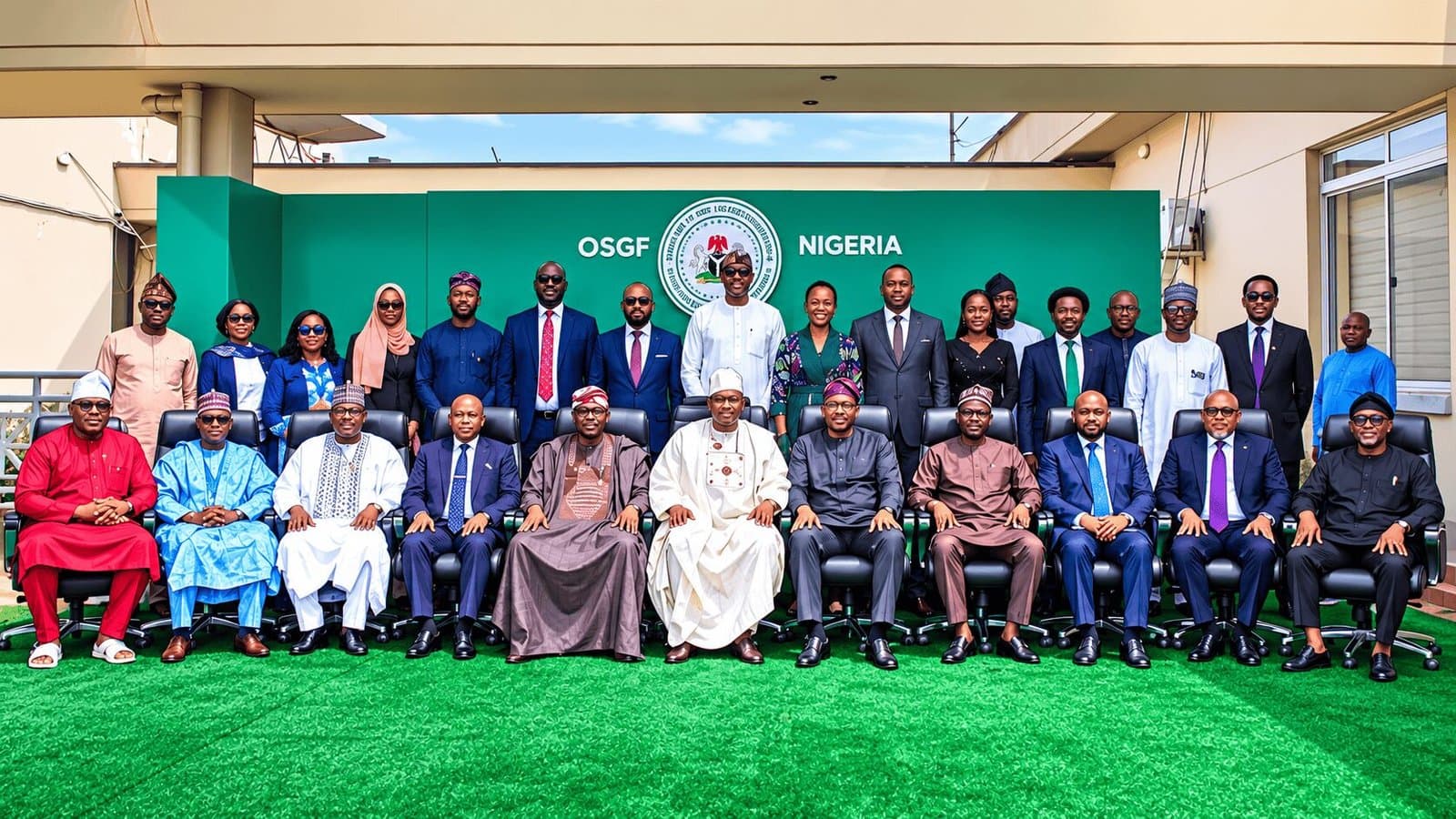
On September 2, 2026, the federal government formally launched the National Steering Committee for the Lagos International Financial Center initiative. The committee’s roster reads like a who’s who of Nigeria’s economic decision-makers, and the stakes are enormous.
For you as an investor or market participant, the committee’s composition signals how seriously Abuja is treating the project. The question is whether Nigeria can deliver before the Q1 2027 soft launch target.
The LIFC steering committee and why Tinubu made it a priority
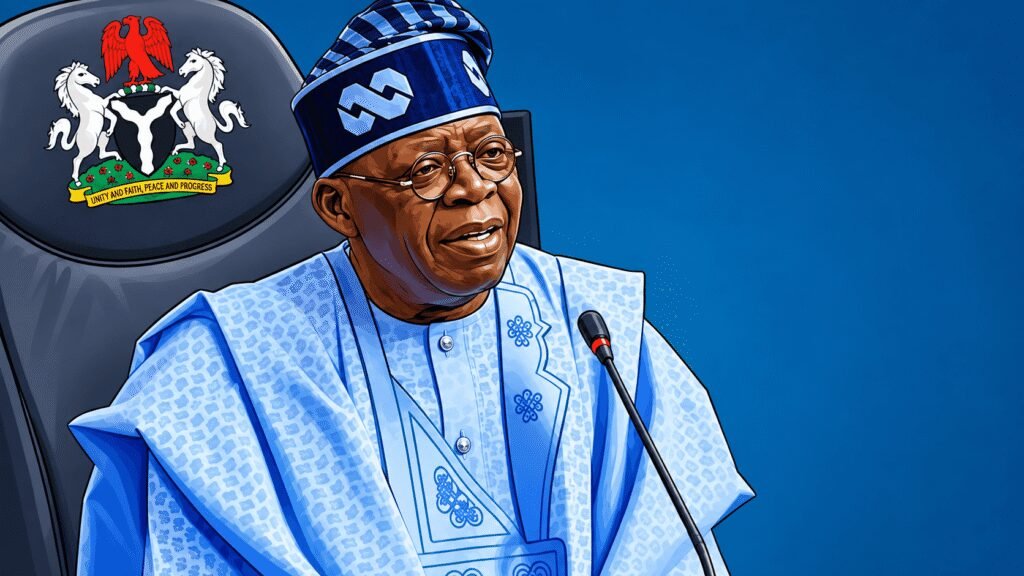
President Bola Tinubu has endorsed the LIFC as a strategic national economic priority and directed the Office of the SGF to coordinate support, the federal government confirmed. Secretary to the Government of the Federation George Akume chairs the committee, with Lagos Governor Babajide Sanwo-Olu as co-chairman.
The committee includes Finance Minister Taiwo Oyedele, CBN Governor Olayemi Cardoso, SEC Director-General Emomotimi Agama, and Attorney General Lateef Fagbemi. The private sector is represented through EnterpriseNGR, chaired by Aigboje Aig-Imoukhuede.
The initiative ties into Tinubu’s broader ambition of building a $1 trillion economy by 2030, with the LIFC serving as a vehicle to attract foreign investment and deepen capital markets, BusinessDay reported.
What Lagos needs to compete with Casablanca and Dubai
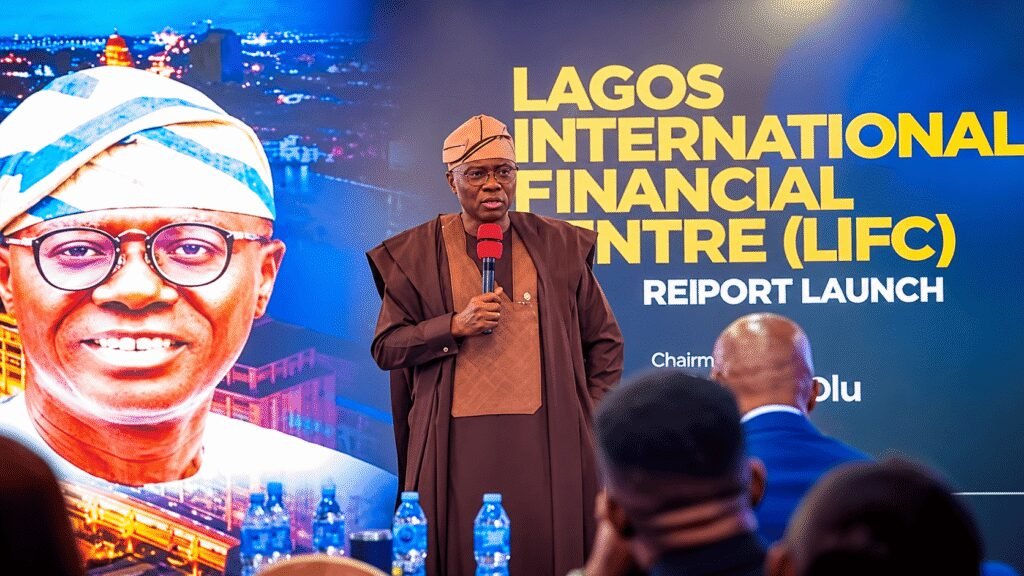
Governor Sanwo-Olu described international financial centers as deliberate instruments nations use to attract long-term capital, deepen markets, and build trusted environments for global investors during an extensive briefing at the inauguration.
“Capital is perhaps the most discerning visitor that I know. Capital goes where it feels safe. It goes where it believes it can grow. It goes where it feels comfortable.” — Aigboje Aig-Imoukhuede, Chairman of EnterpriseNGR, said at the inauguration, BusinessDay reported.
Sanwo-Olu clarified that the LIFC would not function as a tax haven or a vehicle for regulatory arbitrage. Its competitiveness would instead depend on predictability, transparency, and the quality of the regulatory environment available to investors.
That positioning matters because Lagos currently ranks just 118th out of 120 centers in the Global Financial Centers Index, the benchmark ranking of financial hubs worldwide, Ecofin Agency reported. Casablanca leads Africa at 49th globally, and Dubai sits in the top 10.
KPMG, TheCityUK, and the roadmap toward Q1 2027
The LIFC has already completed substantial groundwork. Phase I produced a comprehensive report developed in partnership with EnterpriseNGR, the Lagos State Government, and TheCityUK, funded by the United Kingdom government.
Key LIFC focus areas:
- Innovation and fintech: positioning Lagos as Africa’s hub for digital finance and financial technology.
- Commodities and capital markets: leveraging Nigeria’s depth in natural resources and its growing equity and debt markets.
- Green and sustainable finance: aligning with global ESG trends and Africa’s energy transition priorities, EnterpriseNGR noted.
KPMG is supporting the project office, while TheCityUK is providing international technical support to ensure alignment with standards in established hubs like London. Jonny Baxter, British Deputy High Commissioner in Nigeria, said at the LIFC report launch in February 2026 that the initiative reflects a deepening UK-Nigeria partnership, Vanguard reported.
Legal and tax reforms that will shape LIFC’s success
Attorney General Fagbemi pledged federal support for creating legal certainty and committed to identifying laws requiring amendment. Zacch Adedeji, executive chairman of the Nigeria Revenue Service, urged the committee to move quickly from planning to action.
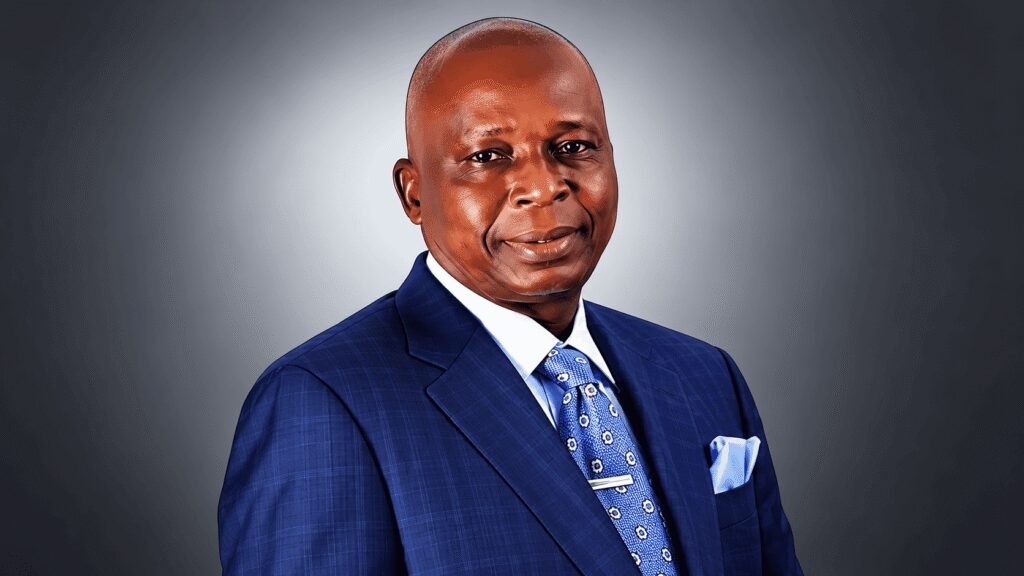
Adedeji cautioned that the LIFC model should reflect Nigeria’s constitutional and economic realities rather than copying financial centers built elsewhere. Industry Minister Jumoke Oduwole described the initiative as a catalyst for the $1 trillion economy target, BusinessDay reported.
What the Lagos finance hub means for Nigerian investors
The LIFC’s promoters say the center’s impact should extend beyond Lagos, because capital mobilized through it could finance infrastructure, technology, agriculture, and manufacturing projects nationwide, creating a multiplier effect across the economy.
For Nigerian market participants, a successful LIFC could contribute to deeper capital markets, higher-value employment, an expanded tax base, and greater participation by Nigerian businesses in regional and international markets.