
West Africa holds over $7 billion in unrealized export potential, and Nigerian manufacturers sit right at the center of that gap. A trade scheme that eliminates customs duties on qualifying goods across 15 countries has existed since 1979, yet most Nigerian factories have never used it.
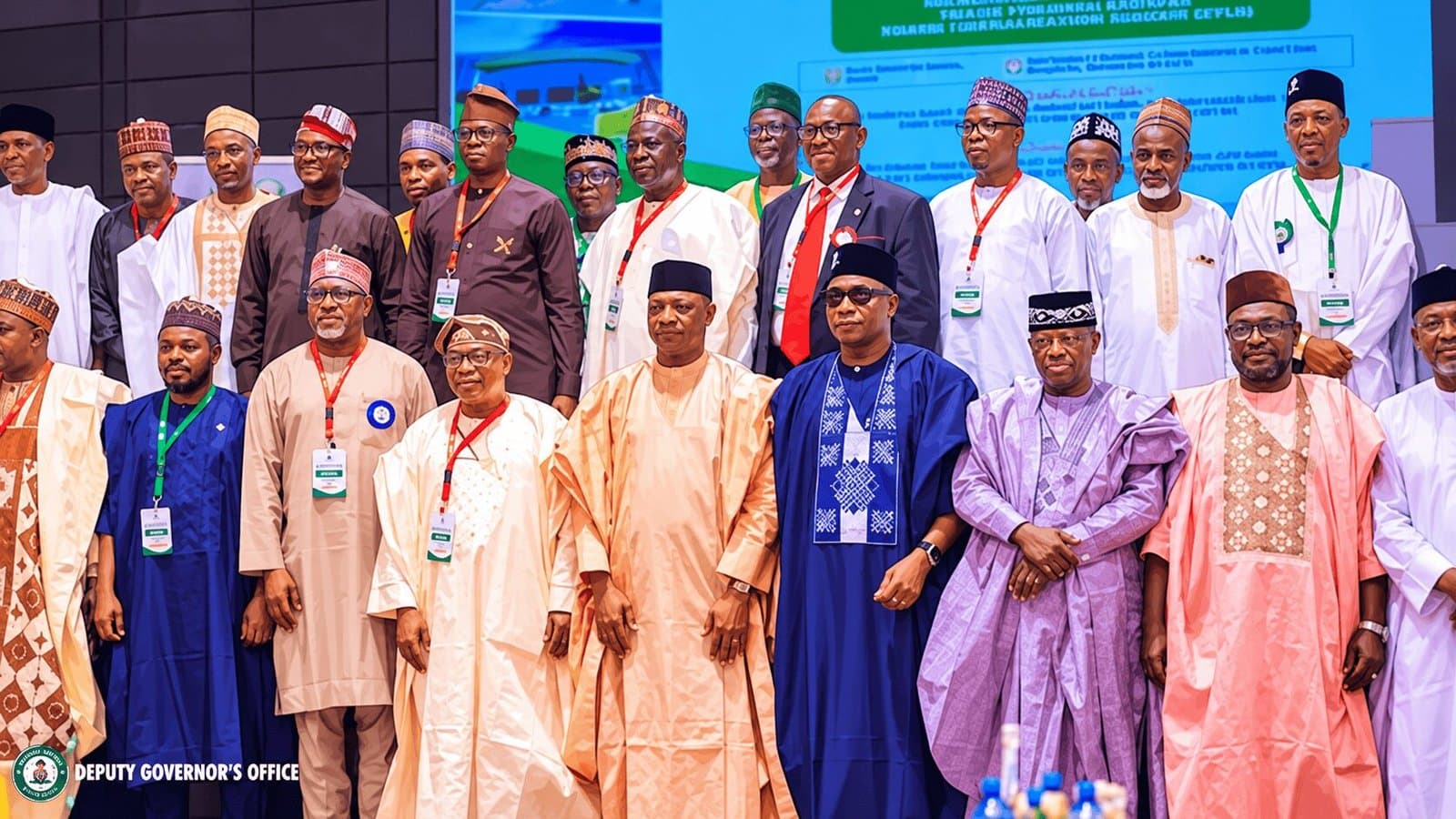
The federal government convened a sensitization workshop in Bauchi on September 5 to address that exact problem among North-East manufacturers. Ambassador Sola Enikanolaiye, the Minister of State for Foreign Affairs, told attendees from six states that the ECOWAS Trade Liberalization Scheme offers market access that most of them did not know existed.
You cannot chase a $1 trillion economy when your own factories do not understand the trade tools available to help them export duty-free.
Nigeria’s $7 billion ECOWAS trade gap starts with awareness
Afreximbank’s African Trade Report 2026 found that West Africa’s unrealized intra-African export potential exceeded $7 billion in 2025, ThisDay reported. The gap sits primarily in manufactured and semi-processed goods, which means factories with the right products already have buyers across the bloc.
The ETLS eliminates customs duties on qualifying products that meet ECOWAS rules of origin, the Nigeria Customs Service confirmed. Three categories qualify: unprocessed agricultural products, traditional handicrafts, and industrial products that meet local value-addition thresholds set under ECOWAS protocols.

Enikanolaiye told the workshop that most businesses across the country remain unfamiliar with the scheme and its requirements, the News Agency of Nigeria reported. That admission from a sitting cabinet minister underscores how wide the information gap has grown over four decades.
Nigeria’s intra-African trade surged 21% to $9.02 billion in 2025
The macro numbers suggest Nigerian trade is headed in the right direction, even as the awareness gap stalls progress at factory level. Nigeria’s trade with other African countries jumped 21% to $9.02 billion in 2025, up from $7.47 billion the prior year, Afreximbank noted in its 2026 trade report.
In April 2025, after Nigeria gazetted its ECOWAS tariff concessions under the AfCFTA, Trade Minister Dr. Jumoke Oduwole signaled the country’s readiness to engage regional markets.
“The gazetting and transmission of the ECOWAS Schedule of Tariffs to the AfCFTA Secretariat signals Nigeria’s readiness for trade under the Agreement. This milestone enables Nigerian exporters to leverage preferential tariff access across African markets, positioning Nigeria as a key player in regional and global trade.” — Dr. Jumoke Oduwole, Minister of Industry, Trade, and Investment, via Nairametrics

Intra-African trade as a whole climbed 5.47% to $213.8 billion in 2025, driven by stronger output in Ethiopia, Uganda, the Democratic Republic of Congo, and Zambia, the Afreximbank report showed.
Key trade figures to watch
- Africa’s total untapped intra-African export potential: $77 billion, equivalent to nearly 40% of current trade (Ecofin Agency)
- ETLS coverage: 15 ECOWAS member states, including Nigeria, Ghana, Senegal, and Côte d’Ivoire (NEPC)
What ETLS registration means for Nigerian exporters
Qualifying for the ETLS requires manufacturers to meet rules of origin and obtain a Certificate of Origin alongside an ECOWAS Export Declaration form, the Nigerian Export Promotion Council noted.
The North-East Chamber of Commerce president, Aminu Ashimi, called for continuous training of businesses on the ETLS and the formalization of informal trade, the NAN report confirmed. He pledged to sensitize chamber members and encourage them to register under both the ETLS and the AfCFTA.
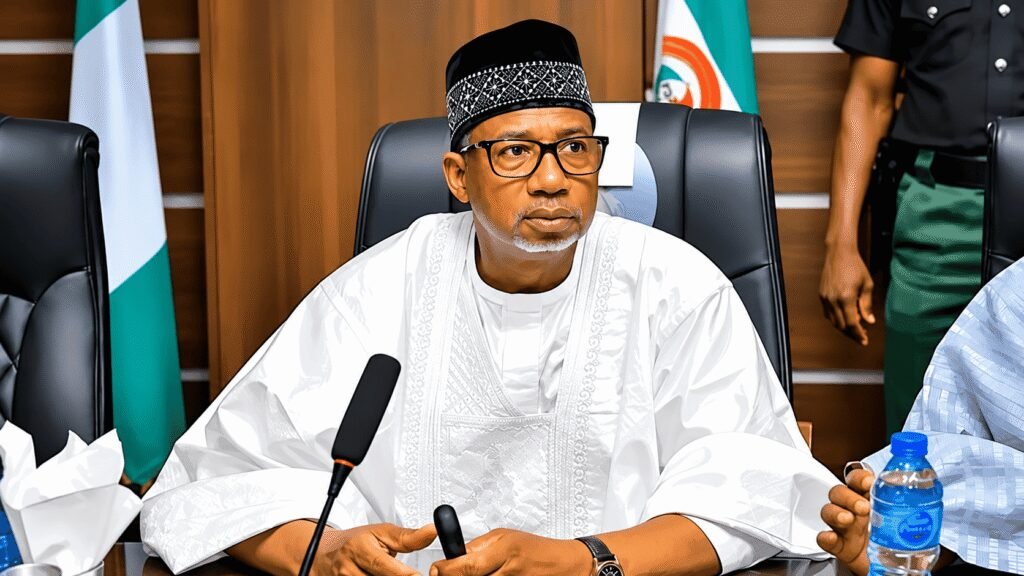
Governor Bala Mohammed of Bauchi State, represented by his deputy Auwal Jatau, identified border delays, multiple checkpoints, and limited access to trade information as obstacles confronting North-East businesses, Tribune Online reported.
The $1 trillion economy target rests on closing this ECOWAS gap
Enikanolaiye directly linked the ETLS to the federal government’s ambition of building a $1 trillion economy before the decade ends. That target requires aggressive export diversification beyond crude oil and into manufactured goods categories that dominate the ETLS framework.
The Manufacturers Association of Nigeria has previously observed that only around 10% to 15% of Nigeria’s exports reach African markets, Businessfront reported. That proportion signals how much ground remains uncovered, even as the government rolls out zonal workshops.
The ministry plans additional workshops across all six geopolitical zones before wrapping up with a national event in Abuja. The campaign aims to move businesses from ignorance to registration, and from registration to active cross-border trade.
What this means for Nigerian manufacturers and exporters
The ETLS has existed for more than four decades, yet the government itself acknowledges that most Nigerian businesses do not know about it. That gap is costing manufacturers duty-free access to 15 West African markets at a time when intra-African trade hit $213.8 billion. Factories that meet ECOWAS rules of origin can ship qualifying goods across the bloc without paying customs duties, and the government plans more zonal workshops before the year ends.