


For 14 years Nigeria sat in the same corner of the global credit map, slipping further into territory investors call speculative. Every cycle brought another currency crunch or oil-price scare, while peers across Africa climbed several rungs higher on the speculative-grade ladder.
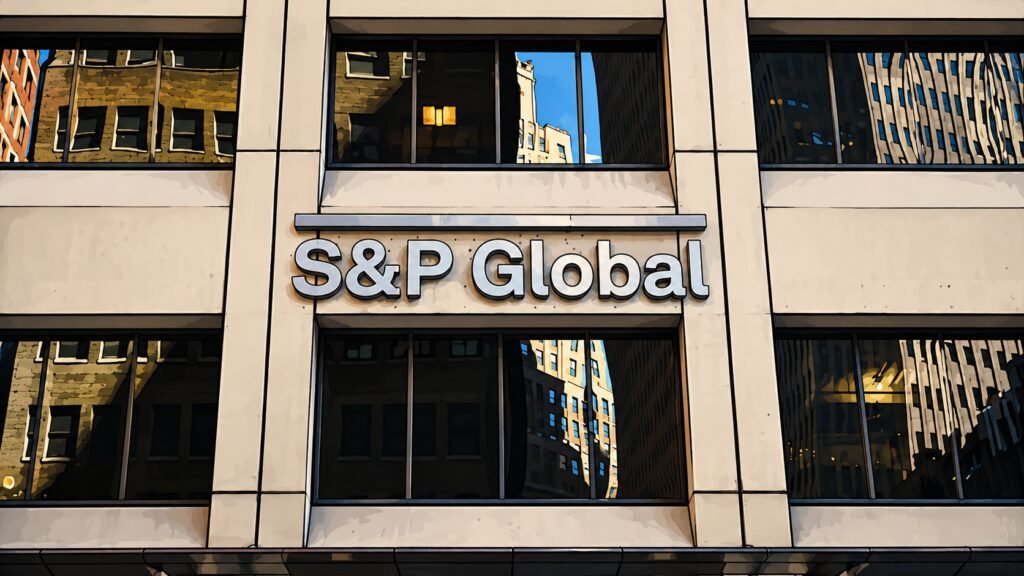
That stretch broke on May 15, 2026, when S&P Global Ratings raised Nigeria’s long-term foreign and local currency ratings to B from B-. The agency attached a stable outlook to its first Nigeria upgrade since 2012, pinning the call on specific reform numbers rather than vague optimism.
The decision matters far beyond a single letter change on a sovereign scorecard, since it resets how the global market prices Nigerian risk today.
What S&P upgraded and the three numbers driving the call
The agency lifted Nigeria’s long-term ratings to B from B-, affirmed the short-term B, and raised the national scale rating to ngA+/ngA-1. The full call sits in the S&P Global Ratings research update, with a stable outlook attached for the next 12 to 24 months.
Three measurable shifts anchor the agency’s decision more than any single political reform headline out of Abuja over the past year. Nigeria’s debt-to-revenue ratio dropped sharply, and the current account surplus is forecast to widen to 5.8% of GDP in 2026, the rating note stated. Oil output is projected to hold near 1.66 million barrels per day including condensates.
Five notches still separate Nigeria from investment grade, so portfolio managers will not load up on naira-denominated debt overnight. The new score does reduce the risk premium on dollar bonds, lowering future costs each time Nigeria taps the eurobond market.
How three years of reforms changed Nigeria’s credit math
The reform story began in mid-2023 with two politically painful decisions. The federal government scrapped the fuel subsidy and moved the naira off its tightly managed peg, ending decades of distortionary exchange windows.
Reform milestones
- June 2023: Fuel subsidy removed, freeing trillions of naira from petrol pricing.
- 2023: Naira float launched, replacing managed windows with a market-driven rate.
- February 2026: Executive Order 9 mandates higher NNPC remittances to the Federation Account.
S&P expects federal government revenue to climb to about 12.4% of GDP in 2026, up from roughly 7.3% recorded in 2023. Those projections appear in the rating note, summarized in coverage by Channels Television. The agency credits this jump, plus stronger NNPC remittances under Executive Order 9, as the main reason debt-service pressure should ease.
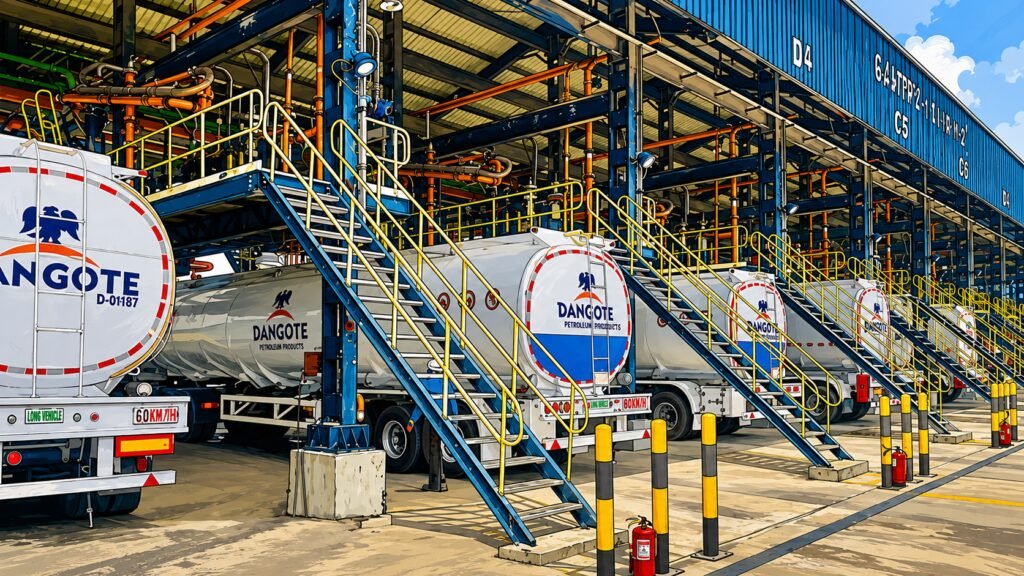
The Dangote refinery sits at the center of the external story, having ramped operations toward its 650,000-barrels-per-day nameplate capacity, the agency reported. Domestic refining cuts the dollar bill for imported fuel and lifts the current account surplus to 5.8% of GDP next year.
Joseph Nnanna, chief economist at the Development Bank of Nigeria, told CNBC Africa in November 2025 that S&P’s earlier outlook revision signaled credible policy direction. He said the trajectory should pull in fresh foreign portfolio and direct investment, while reducing borrowing costs for both government and private issuers.
Finance minister Taiwo Oyedele welcomed the news in a statement reported by Premium Times, noting it follows similar 2025 moves by Fitch and Moody’s. The upgrades “send a strong signal to global investors, development partners, financial markets, and the international business community,” he said.

What could pull the new B rating back down
The agency was explicit about its downside triggers. A reversal of the 2023 FX liberalisation, looser fiscal policy, or higher debt-servicing costs would put the new score under review, S&P warned.
Inflation remains the loudest near-term concern, with the agency projecting average inflation of 17.7% in 2026 before any return to single digits in 2028. The 2027 election cycle adds a second risk, since reform momentum tends to slow whenever politicians face voters.
Key takeaways from the S&P upgrade
- Long-term foreign and local currency ratings rose to B from B-, with a stable outlook attached.
- The upgrade is Nigeria’s first from S&P since 2012, ending a 14-year stretch.
- Reserves at $50 billion and FX turnover near $10 billion in April 2026 anchor the call, as cited in Channels Television coverage.
- Five notches still separate Nigeria from investment grade despite the move.
- Inflation, the 2027 election cycle, and any reform reversal remain explicit downside triggers.
For Nigerian corporates planning eurobond issues or syndicated loans, the upgrade lowers the floor on pricing but does not change structural domestic costs. The cheaper financing window, if it opens, will favor large issuers and federal entities first.
