



For eleven straight months, Nigeria’s inflation rate had been falling, rewarding one of the most aggressive monetary tightening campaigns on the continent. Then the Iran war erupted, and fuel prices jumped more than 50%, according to the World Bank.
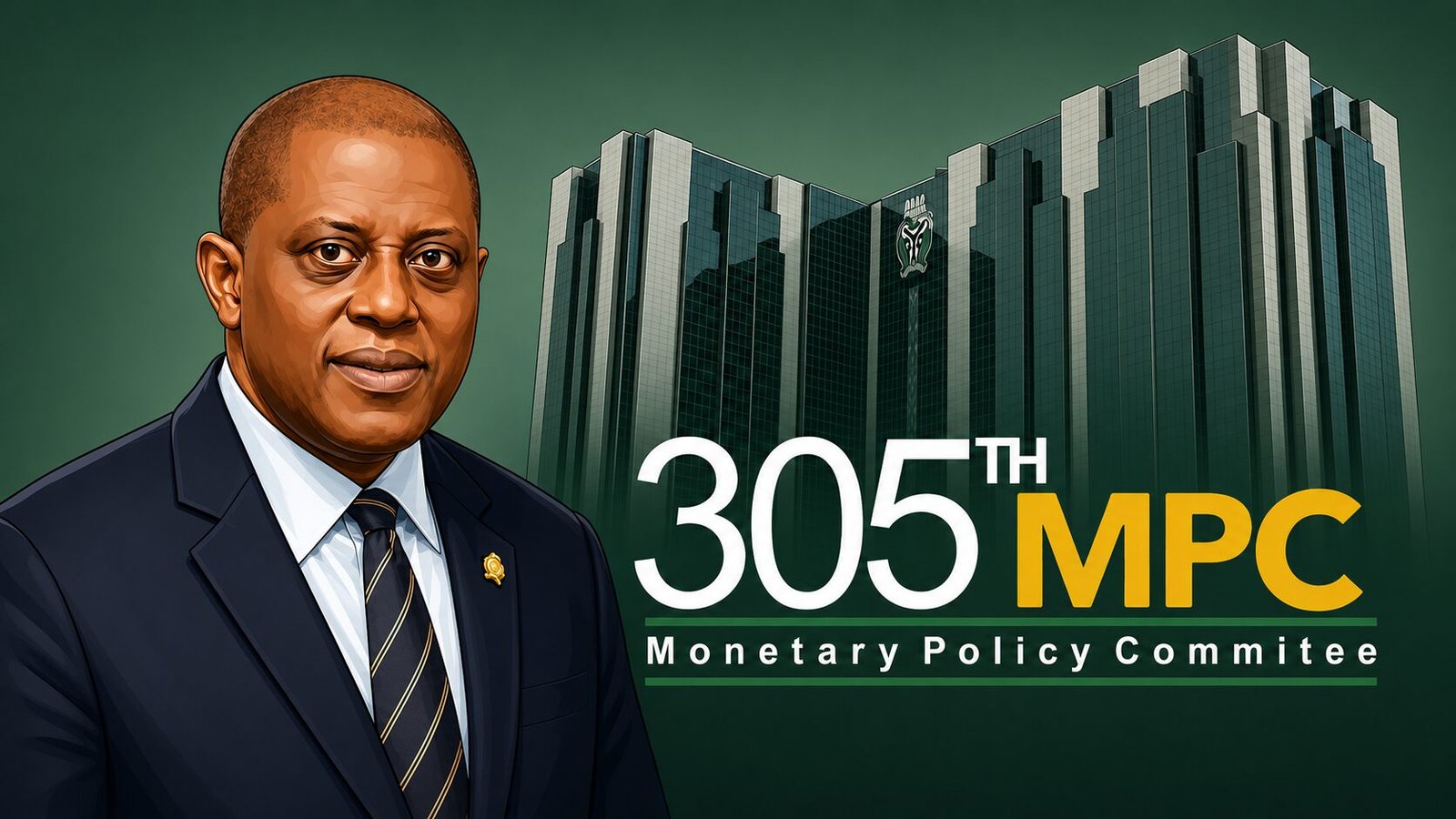
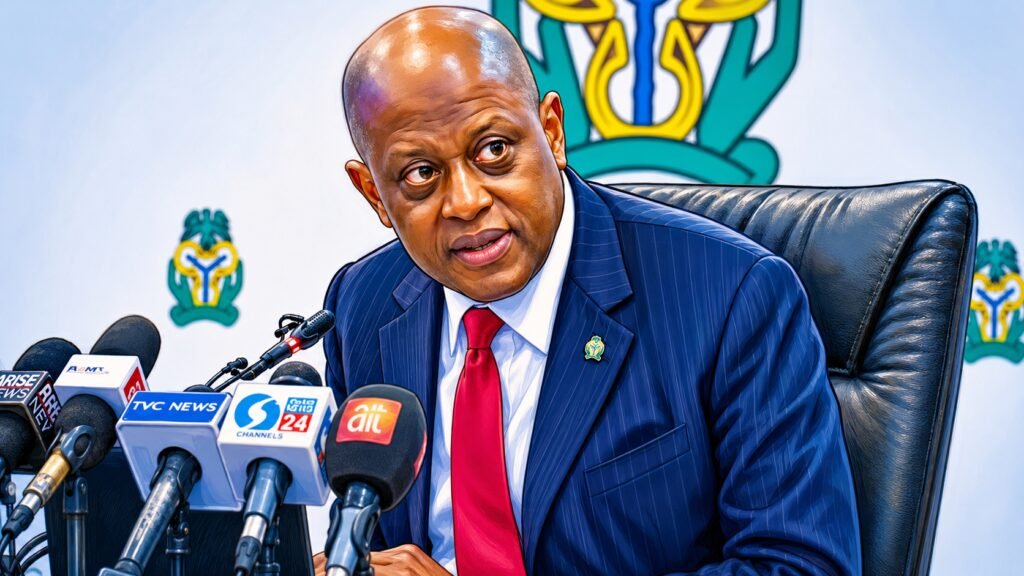
Central Bank of Nigeria Governor Olayemi Cardoso faced a stark choice at the 305th Monetary Policy Committee meeting in Abuja: cut rates to relieve businesses squeezed by near-record borrowing costs, or hold steady and prioritize inflation control.
He chose restraint. If you carry business debt, hold naira savings, or simply buy groceries each week, the next few months will test that wager.
CBN holds 26.5% rate as Nigeria’s inflation climbs for a second month
The MPC kept every major policy lever untouched, from the cash reserve ratio at 45% for commercial banks to the asymmetric corridor at +50/-450 basis points. All eleven members voted to hold, matching the median forecast of eight economists surveyed by Bloomberg, though two had expected a cut, Bloomberg reported.
Headline inflation rose to 15.69% in April from 15.38% in March, the second consecutive increase after eleven months of decline, the National Bureau of Statistics confirmed. Food inflation hit 16.06%, with prices for millet, yam flour, garri, and beef all climbing.
Cardoso described the committee’s posture as “cautious and vigilant,” noting that the pass-through of global commodity shocks had been “significantly mitigated” by recent reforms, Gazette Nigeria reported.
How the Iran war reversed Nigeria’s 11-month disinflation streak
Before the U.S.-Israel military campaign against Iran began on February 28, consumer prices had dropped from roughly 33% in late 2024 to 15.06% in February 2026. The CBN’s 50-basis-point rate cut that month looked like the start of a managed easing cycle.
Iran’s blockade of the Strait of Hormuz sent Brent crude above $100 per barrel by April. Nigeria’s deregulated fuel market meant those shocks hit domestic pumps almost immediately, raising costs across virtually every consumer category.
Alex Sienaert, the World Bank’s lead economist for Nigeria, warned in April that inflation “is still elevated and under increasing pressure, and that poses risks to incomes and poverty reduction,” CNBC Africa reported.
Private sector calls the rate hold “pragmatic” as reserves face pressure
Business groups read the outcome differently. The Centre for the Promotion of Private Enterprise called the decision pragmatic, arguing the MPC showed a mature understanding of the forces driving current price pressures.
“Excessive tightening at this stage could suffocate productivity, weaken industrial recovery, constrain investment appetite, and undermine employment generation. Economies do not grow on the strength of high interest rates; they grow on the strength of productivity, enterprise, investment confidence, and policy coherence.” — Centre for the Promotion of Private Enterprise
Tosin Osunkoya, managing director and CEO of Comercio Partners Asset Management, had predicted the hold, telling Nairametrics he did not expect cuts soon. Analysts on the outlet’s Drinks and Mics podcast cited inflationary pressures and geopolitical risks as reasons the bank would stay put, Nairametrics reported.

Supporting the CBN’s confidence are gross external reserves of $49.49 billion as of May 15, covering more than nine months of imports. Fitch Ratings affirmed Nigeria’s long-term foreign currency rating at ‘B’ with a stable outlook in April but cautioned that fiscal pressures could trigger modest naira depreciation, he Guardian Nigeria reported.
What the rate hold signals for Nigerian borrowers heading into mid-2026
Key takeaways from the CBN’s May 2026 MPC decision
- Benchmark rate stays at 26.5%, with all eleven MPC members voting unanimously to hold (Bloomberg).
- April headline inflation rose to 15.69%, the highest since November 2025, driven by food and fuel cost increases (NBS).
- Fuel prices surged more than 50% since the Iran war began February 28, with Brent crude above $100 per barrel (World Bank).
- Gross external reserves stood at $49.49 billion as of May 15, covering over nine months of imports (CBN).
- The next inflation report, due June 15, will shape the MPC’s future rate trajectory (Naija247news).
Abdulrasheed Sagagi, an MPC member, warned earlier in May that fiscal releases tied to electoral cycles could reverse disinflation gains entirely, urging the CBN to push for responsible government spending alongside tight monetary policy, Nairametrics reported. Investors and households now await the June 15 inflation release to learn whether April’s uptick was a blip or something more stubborn.
