

If you run a small business in Nigeria, finding affordable, long-dated capital can feel difficult given the cost of credit nationally.
Commercial banks demand collateral most operators do not own, charge interest rates that can exceed 30%, and shorten tenors when uncertainty rises.
That squeeze has pushed millions of nano, micro, and small operators toward family loans, informal lenders, or simply shelving growth plans entirely.
A new approval from the African Development Bank Group could shift part of that picture, though the underlying funding gap remains enormous.
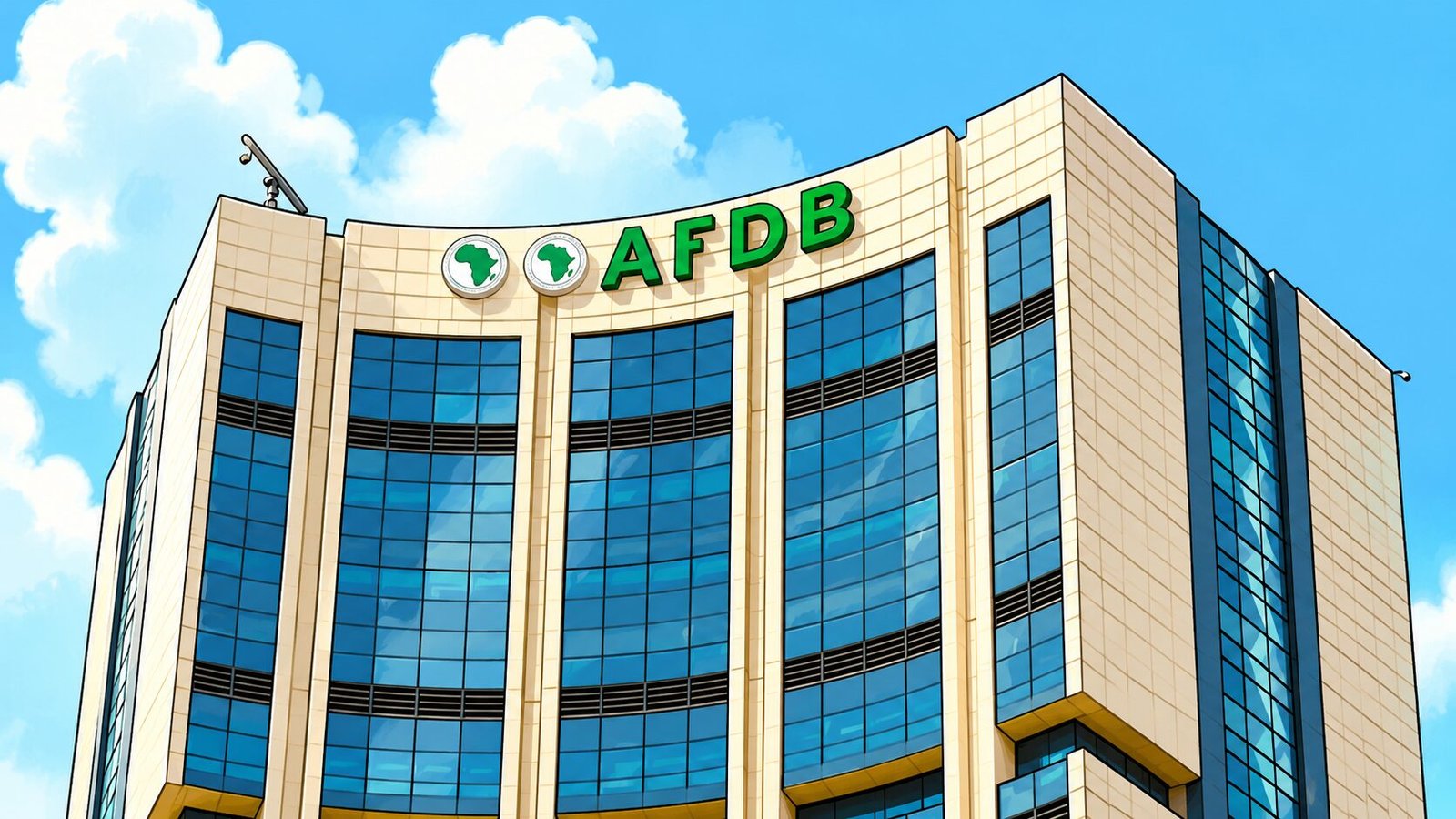
The multilateral lender has cleared a fresh $200 million credit line for Nigeria’s Bank of Industry, with explicit targeting toward overlooked enterprises.
The $200 million AfDB facility lands at Bank of Industry
The African Development Bank Group’s Board approved the financing on May 15, 2026, structuring it as medium- to long-term credit for BOI.
At least 30% of the proceeds are earmarked for small and medium-sized enterprises, with priority for women-owned and youth-led Nigerian businesses.
The package also includes a $650,000 technical assistance grant from the Fund for African Private Sector Assistance, designed to lift governance among borrowers.
That technical layer matters because many Nigerian SMEs lack internal systems to meet international funding standards, which locks them out of concessional pools.
“Nigeria’s industrial transformation requires more patient, long-term capital than the market is structured to provide.” — Abdul Kamara, Director General for Nigeria, African Development Bank Group (AfDB press release, May 15, 2026)

Bank of Industry builds on a record 2025 under Olasupo Olusi
The new line follows the full repayment of an earlier $100 million facility in 2025, the African Development Bank’s May 15 statement confirmed.
Bank of Industry posted its largest annual disbursement on record in 2025, channeling about ₦636 billion to more than 7,000 enterprises nationwide.
Those funds reached manufacturing, agribusiness, infrastructure, ICT, and the creative economy, supported by international funding and federal government intervention programs, TheCable reported.
Managing Director Olasupo Olusi, an economist trained at Durham who previously worked at the World Bank Group, has steered the lender since September 2023.

Under his watch, BOI raised roughly €1.879 billion through a syndicated loan in 2024, an unusually large fundraising for a Nigerian development bank, TheCable reported.
The institution also kept its non-performing loan ratio below 1.5% during 2025, the lender’s own communications on Olusi’s tenure confirmed.
Why Nigeria’s SME financing gap remains the bigger story
Central Bank of Nigeria Deputy Governor Muhammad Sani Abdullahi placed Nigeria’s MSME financing gap at more than ₦130 trillion, or roughly $94.3 billion.
Speaking at a World Bank roundtable in Abuja on April 7, 2026, he said total DFI assets sit just above ₦8 trillion nationally.
Against that backdrop, the new $200 million facility, even with its 30% SME allocation, will reach only a fraction of Nigeria’s 40 million MSMEs.
Femi Egbesola, national president of the Association of Small Business Owners of Nigeria, said record BOI disbursements have not translated into broad SME access.
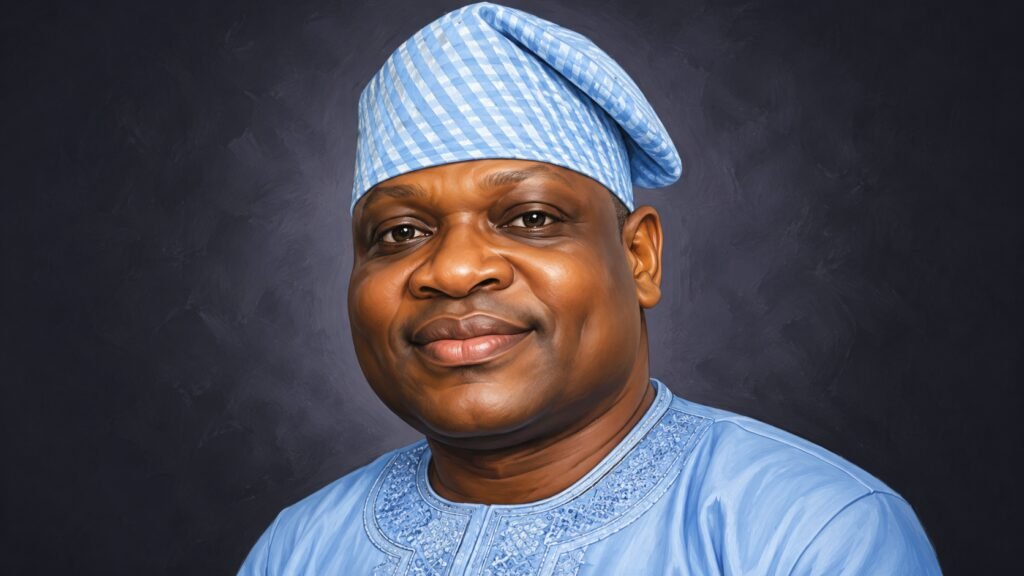
He told Leadership newspaper that most operators remain locked out of affordable credit because of high interest rates, stricter conditions, and weaker bank risk appetite.
Muda Yusuf, chief executive at the Centre for the Promotion of Private Enterprise, said Nigeria needs an SME window offering lower rates and longer tenors.
The IFC and World Bank’s March 2025 MSME Finance Gap Report found 40% of formal MSMEs in emerging markets are credit-constrained, with women hit hardest.
That report also estimated women-owned MSMEs face roughly $1.9 trillion in unmet financing demand across emerging markets, or 34% of the total gap.
Where the new financing will flow inside Nigeria
The facility’s sector focus stretches across infrastructure, transport, agro-food processing, healthcare, pharmaceuticals, and green industrialization, areas Nigeria has flagged under its industrial policy.
A separate technical layer sits under the Affirmative Finance Action for Women in Africa, which has approved over $2.4 billion for women-led SMEs.
For Nigerian readers, the financing should expand the pool of single-digit interest loans BOI offers through its on-lending channels and direct lending programs.
That matters because commercial lending rates in Nigeria typically exceed 30%, a level that makes scaling almost any small manufacturing operation effectively unprofitable for owners.
The intervention aligns with reported plans to recapitalize the Bank of Industry by up to ₦3 trillion, which TheCable described in April 2026.
That ambition matters because Nigerian MSMEs account for roughly 96.9% of all businesses and 46.32% of GDP, according to the SMEDAN and NBS 2021 survey.
The 2025 Informal Economy Report from Moniepoint also found 51% of surveyed informal operators no longer intend to take a business loan at all.
Key takeaways from the AfDB facility
- Total facility size: $200 million approved by the African Development Bank Group on May 15, 2026, structured as medium- to long-term credit
- Minimum SME allocation: 30% of proceeds, with explicit priority for women-owned and youth-led Nigerian businesses across multiple sectors
- Technical assistance: $650,000 FAPA grant plus an AFAWA component targeting women entrepreneurs and improving environmental, social, and governance standards
- Previous BOI partnership: a $100 million line of credit fully repaid in 2025, building the case for this larger approval
- Sector focus: infrastructure, transport, agro-food processing, healthcare, pharmaceuticals, and green industrialization, aligned with Nigeria’s National Industrial Policy framework