



Most countries pay more for paperwork than they do for tariffs, and trade policy has become much more interventionist in recent years globally.
A new United Nations report has put a precise number on a problem that has long shaped global trade without ever drawing tariff-style political attention.
It also exposes a structural disadvantage that smaller and poorer economies have struggled for decades to articulate or properly quantify in policy debates worldwide.
Tariffs may dominate political headlines in every dispute, but the data tells a more complicated story about who absorbs the highest trading costs today.
For exporters, importers, and ordinary consumers across rich and poor economies alike, the practical implications run far deeper than most people would assume.
UNCTAD finds compliance costs exceed tariffs in 88% of nations
The headline finding from UNCTAD’s May 2026 Global Trade Update will surprise many policymakers who still treat tariffs as the central trade battleground.
Non-tariff measures now impose higher trade costs than tariffs for 88% of countries worldwide, the agency stated in its latest detailed report.
These measures cover product safety standards, technical regulations, certification rules, environmental requirements, labeling laws, and dozens of other compliance hurdles facing exporters.
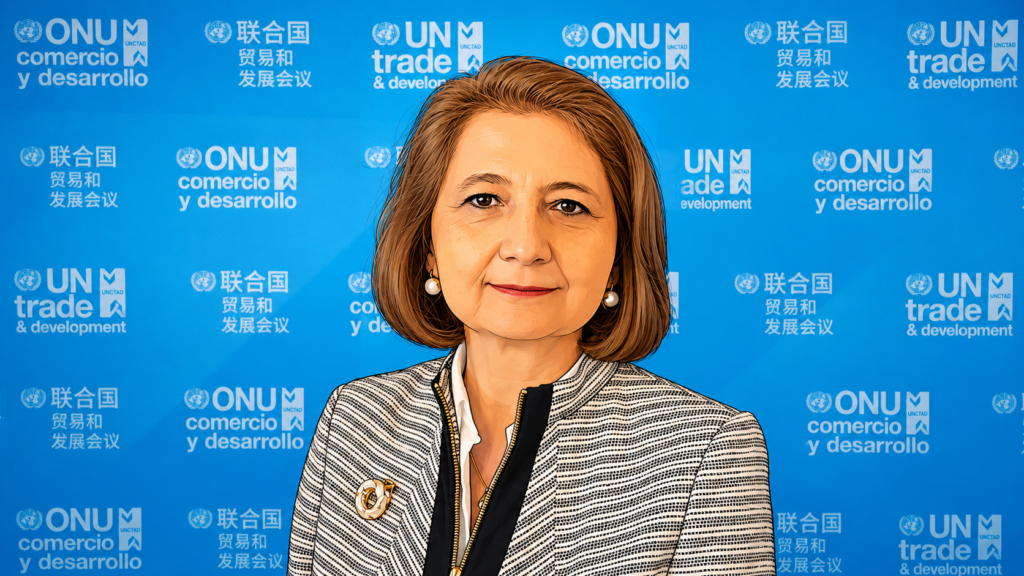
Luz María de la Mora, head of UNCTAD’s Division on International Trade and Commodities, has warned that combined tariff and non-tariff barriers fragment global trade.
“The result is a more fragmented trade landscape, alongside higher barriers,” she said in commentary about combined trade interventions reported by Trade Finance Global.
How non-tariff measures became the dominant trade cost
Non-tariff measures have multiplied steadily across global supply chains as governments pursue legitimate goals around consumer safety, public health, and environmental protection.
Technical regulations and sanitary standards now affect roughly two-thirds of world trade and cover commerce worth over $2.6 trillion annually, UNCTAD has previously calculated.
Tariffs themselves rose sharply alongside these measures, with rates climbing 10% for developed countries during the course of 2025, the report showed.
Developing countries saw a steeper 16% increase in their average tariff costs, while least developed countries faced an 18% jump during 2025.
That tariff surge masks the larger story exporters live every day, where regulatory paperwork drives more cost than border duties for most countries today.
UNCTAD’s 10% export gap warning for developing economies
Least developed countries lose roughly 10% of their exports to G20 markets each year because they cannot meet stringent compliance requirements, UNCTAD found.
The compliance gap stems from missing local testing labs, weak certification infrastructure, and limited technical capacity at small exporting firms, the report noted.
Many exporters end up routing products through third countries to obtain certification, a workaround that adds cost, delay, and competitive disadvantage at a meaningful scale.
When trade measures are not properly notified by importing countries, the resulting opacity can impose costs equivalent to a 28% tariff, the report calculated.
Improving transparency around these regulations alone could cut compliance costs by approximately 19%, according to studies cited within the May 2026 report.
Why African exporters face the steepest compliance burden
African exporters bear an outsized share of these compliance costs because regional testing infrastructure remains thin and inter-country regulatory differences remain stubbornly wide today.
Even modest regulatory cooperation across African markets could cut compliance costs by 30 to 40% in agriculture and manufacturing alone, the report found.
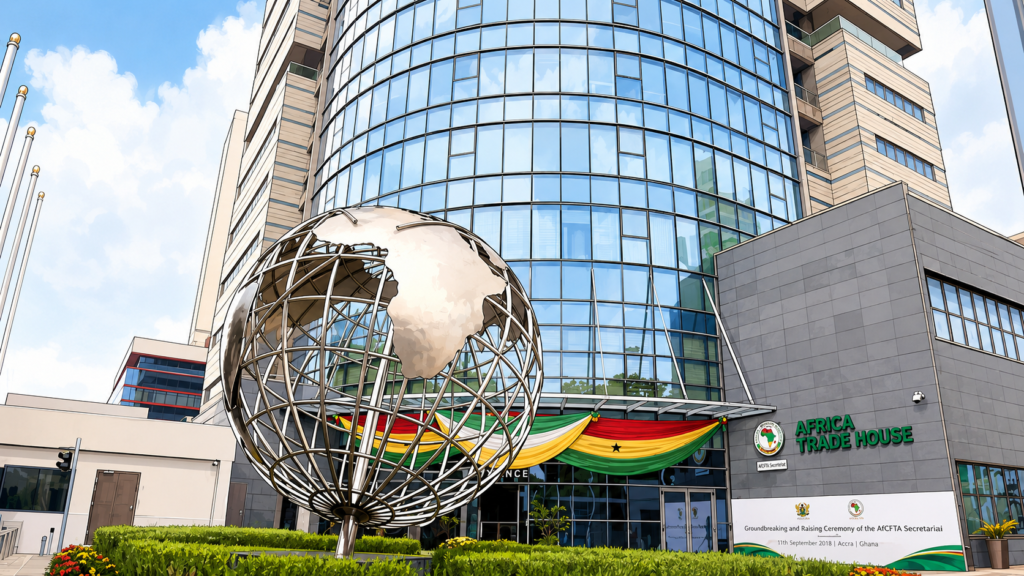
That estimate carries weight as the African Continental Free Trade Area pushes deeper integration across 54 signatory economies that share many similar compliance challenges.
Least developed countries still account for only 1.1% of global exports, barely changed from 1% recorded in 2010, despite long-standing development goals.
The Sustainable Development Goal target of raising that share to 2% therefore remains far from reach, the report observed in its concluding analysis.
Key data points from UNCTAD’s May 2026 trade report
What UNCTAD measured
- Non-tariff measures now impose higher trade costs than tariffs for roughly 88% of countries worldwide, UNCTAD calculated in its May 2026 report.
- Least developed countries lose approximately 10% of their exports to G20 markets each year because of compliance gaps with non-tariff requirements.
- Tariffs rose by 10% for developed countries, 16% for developing economies, and 18% for least developed countries during 2025 alone, UNCTAD said.
- Unnotified trade measures can impose costs equivalent to a 28% tariff, while better transparency could trim those costs by roughly 19% globally.
- Regulatory convergence in Africa could reduce compliance costs by 30 to 40% across agricultural and manufacturing exports, the same report found.
What comes next for global trade policy reforms
UNCTAD did not call for eliminating non-tariff measures, since many serve legitimate goals around safety, environmental protection, and public health policy worldwide.
The agency instead pushes for stronger international regulatory cooperation, clearer notification systems, and targeted technical support for smaller exporters in developing economies.
Without those reforms, global trade risks becoming more restrictive in practice even where headline tariff rates remain comparatively low across many trading corridors.
De la Mora noted in a December interview with Xinhua that South-South trade between developing economies now accounts for over 40% of global flows.
For now, exporters in poorer markets continue paying the highest price for compliance complexity that wealthier rivals navigate with stronger institutional support behind them.