

A viral online post has been circulating for days, claiming that Africa’s richest man secretly turned to four fellow billionaires for cash. The post sparked the kind of social-media frenzy you would expect when a story implicates the upper tier of African business.
The story names some of Nigeria’s most recognizable business titans, attaches eye-popping dollar figures to each, and dates the alleged plea to 2021. It also alleges that one of those billionaires made a promise, went silent on him, and triggered a falling out among Africa’s elite.
If you saw any version of that post, what you read was almost certainly false, and legal action may now hit anyone still sharing it. The conglomerate at the heart of the story has issued a sharp denial, threatened lawsuits, and named a culprit nobody saw coming.
The denial is sharp, the alleged figures are eye-watering, and the underlying truth says more about modern misinformation than Africa’s billionaire class. There is also a fresh wrinkle to the saga, and it points to a technology problem that affects every reader who follows financial news online.
Dangote Group rejects refinery financing claims
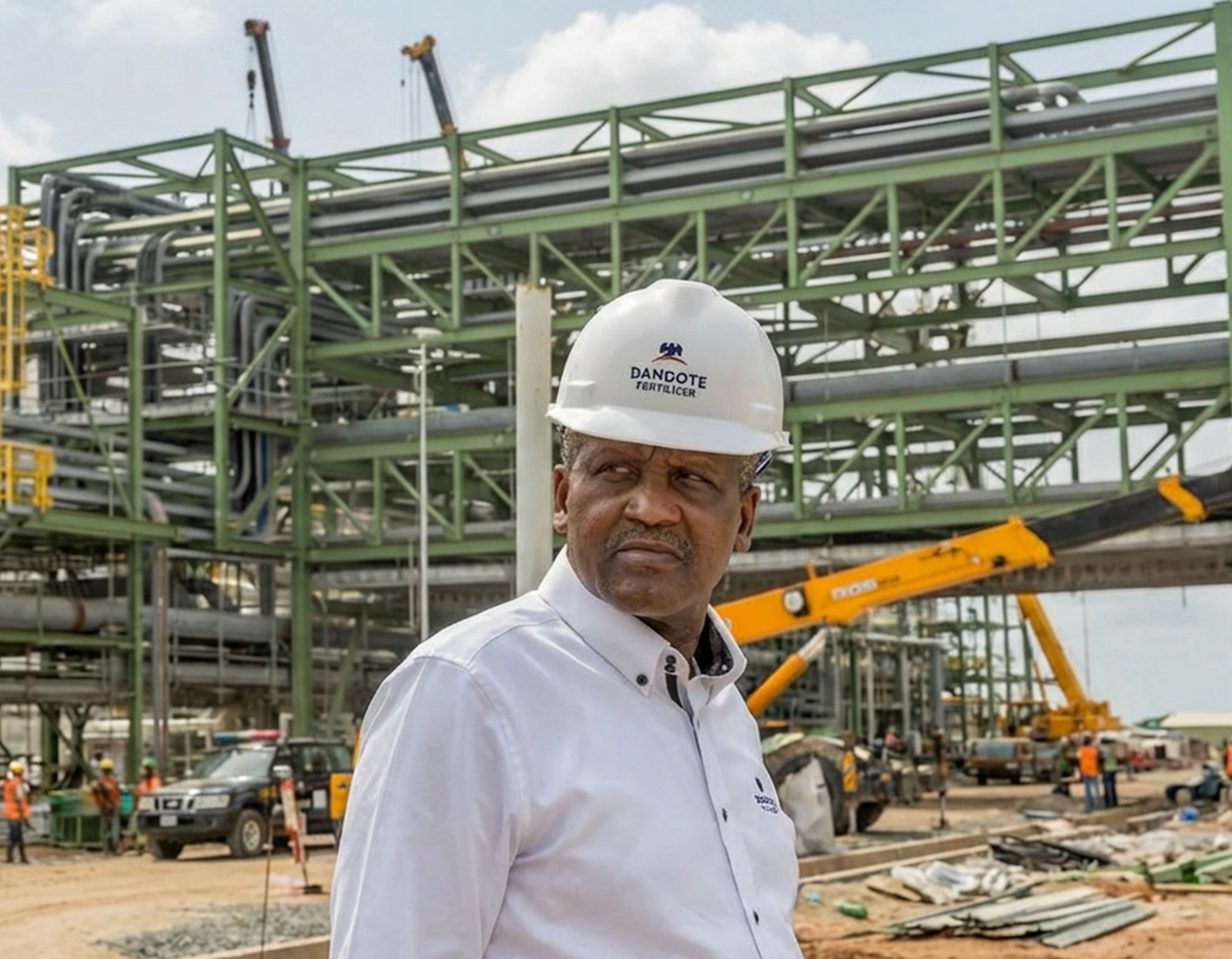
Dangote Group, parent of the $20 billion Lagos refinery, dismissed the viral story as fabricated and threatened legal action against those spreading it. Group Chief Branding and Communications Officer Anthony Chiejina signed the statement on May 3 and called the publication false, malicious, and baseless.
Chiejina pushed back on a publication titled ‘Aliko Dangote Speaks Out on Why He Distanced Himself from Tony Elumelu,’ confirming no such interview occurred. In the same statement, Chiejina rejected the related claim that the refinery was financed through personal borrowing from friends, calling it inaccurate.
Chiejina addressed the financing claim directly in language designed to leave no room for ambiguity in the company’s official position. The statement said Dangote ‘neither finances his projects through personal borrowing from friends,’ rejecting the viral post’s central financing premise, Vanguard News reported.
Dangote Group also warned individuals and platforms involved in creating or sharing the false content to desist immediately or face possible legal consequences. Chiejina said the group would protect its reputation and that of its leadership, signaling a willingness to pursue lawsuits if needed.
Inside the viral post Dangote called fabricated
The discredited publication offered a dramatic backstory that read like an inside scoop, complete with named billionaires, dollar figures, and a falling out. The post claimed Dangote approached four billionaires for funding in 2021 after running short of capital during the refinery’s construction phase.
The named four were Tony Elumelu of Heirs Holdings, Femi Otedola of Geregu Power, Abdulsamad Rabiu of BUA Group, and Mike Adenuga of Globacom. Each name carries enormous weight in Nigerian business, which helped explain how the post traveled so quickly through investor circles and group chats.
The four billionaires named in the viral post
- Tony Elumelu, Chairman of Heirs Holdings and former chairman of UBA Group
- Femi Otedola, Chairman of Geregu Power and longtime Nigerian energy investor
- Abdulsamad Rabiu, Founder and Chairman of BUA Group, a major industrial conglomerate
- Mike Adenuga, Founder of Globacom, with major holdings across oil, gas, and banking
Sources: Premium Times, Channels Television, billionaires.africa
The post attached specific dollar amounts to the alleged contributions, including a claim that Elumelu pledged $20 million but later went unreachable to Dangote’s team. It also claimed Otedola contributed $300 million, while other associates collectively raised an additional $500 million for the project, Channels Television reported in its coverage.
Dangote Group denied every figure and relationship claim in the publication, treating the entire narrative as a fabrication built for clicks rather than reporting. The company said the AI-generated nature of the surrounding content suggests deliberate intent to mislead readers and damage Dangote’s professional standing in the industry.
Femi Otedola breaks his silence on the rumor
Otedola, one of the four billionaires named in the post, issued his own statement to the public, and his pushback carried unusual force. He told the public that ‘ at no point did Alhaji Dangote request financing from Mr Elumelu, Mr Adenuga, or myself’ regarding the refinery.
Otedola called the rumor calculated mischief and a deliberate attempt to sow discord within Nigeria’s tightly knit private-sector leadership group. He said the four billionaires named ‘deserve better than to be used as props in a social media fabrication,’ Premium Times reported.
Otedola also reminded readers that the four men referenced have spent decades building businesses, creating jobs, and investing in Nigeria’s industrial base. His final line aimed squarely at the post’s audience: ‘Nigeria deserves truth, not lies dressed up as insider information,’ he said in his statement. Otedola’s intervention added a second named voice to the denial and elevated the entire dispute well beyond Dangote’s communications team alone.
How Dangote financed the $20 billion refinery
The actual financing of the Dangote Petroleum Refinery has been public for years, and it bears no resemblance to the friends-and-favors story online. About half of the $20 billion construction cost came from Dangote Group’s equity, while the rest came from bank loans and trade financing arrangements.
A syndicated facility led by Standard Chartered Bank provided $3.3 billion in debt financing, with Access Bank and Zenith Bank among the participants. CNN Business reported in 2023 that roughly half the funds came from Dangote’s own equity and the other half from commercial banks.
The 650,000-barrel-per-day facility hit its full nameplate capacity in February 2026, more than two years after the refinery’s first gasoline production began. David Bird, chief executive of Dangote Refinery, said the plant is now positioned to supply 75 million liters of petrol to the domestic market daily.
None of that picture involves billionaire friends writing personal checks during a 2021 cash crunch, which is why Dangote Group rejected the post entirely. The structured corporate financing model also explains why the company called any contrary claim ‘inaccurate’ and a deliberate misrepresentation of facts.
AI-driven misinformation is now a serious risk for business leaders
The Dangote story slots into a pattern of AI-generated fakery that has become one of the costliest reputational threats facing global business leaders. Deepfake fraud drained $1.1 billion from U.S. corporate accounts in 2025, tripling from $360 million the year before, Fortune reported in March 2026.
Warren Buffett became a visible victim of the trend in November 2025, when AI-generated TikTok videos used his likeness to promote crypto schemes online. The fake content was convincing enough that one channel hosting the videos amassed more than 17,000 subscribers before the company addressed it.
Chiejina urged readers to treat any sensational claim attached to Dangote’s name with serious skepticism until the named subjects have a chance to respond. He also asked individuals and platforms involved in spreading false content to stop immediately or risk facing legal action from the group.
The Dangote denial and Otedola’s blunt response together send a clear message that Africa’s billionaire class will not tolerate fabricated stories spreading uncontested. AI-driven misinformation is now a documented and rapidly growing threat, putting business leaders, investors, and the broader public at significant financial and reputational risk.
